Bird+House
Co-Creating Shared Habitats with Barn Swallows: A Bioregional Nesting Project Exploring Interspecies Coexistence
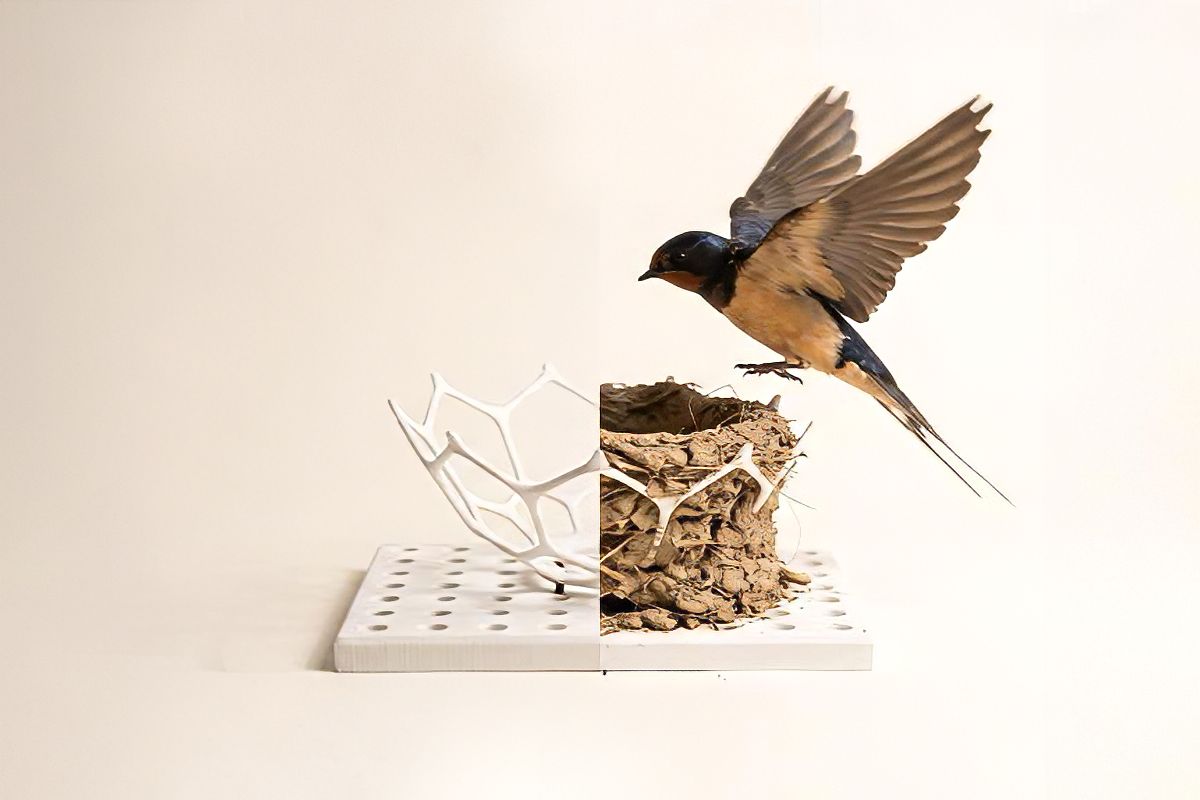
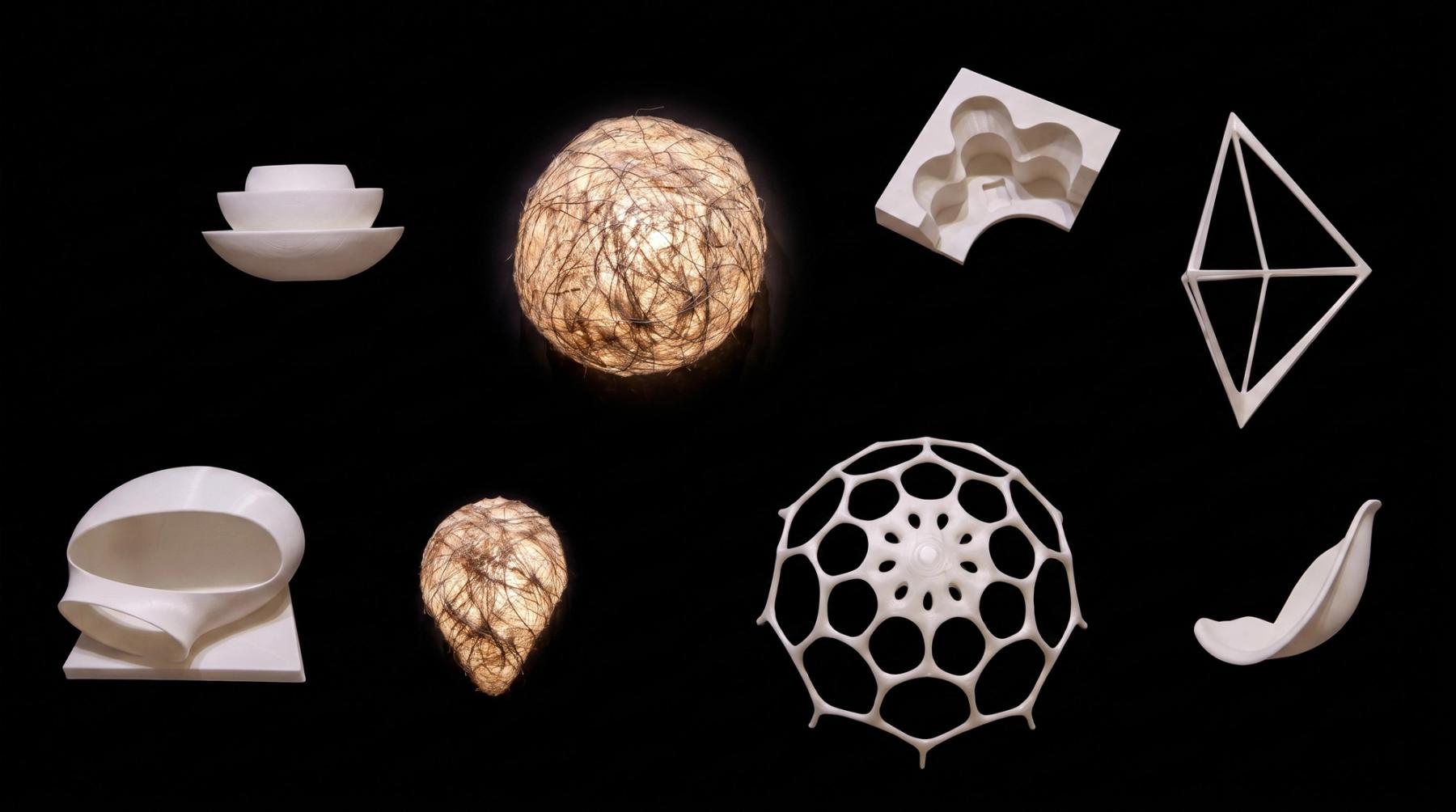
Barn swallows are a familiar yet declining sight, their nests disappearing along with the barns they once relied on. Bird+House is a nesting project finding space for biodiversity within an expanding human footprint. Rather than finished nests, we 3D-print scaffolds from local biomaterials — open structures placed at safer sites that invite the birds to finish the form themselves. The project is a cross-disciplinary study of ecological restoration and a new interspecies design language to build public awareness and empathy.
- Project Leads
Hiroshi Ishii, MIT
Lucy Li, MIT
Hye Jun Youn, MIT
- Research Team
Yue Yang, Material Research, Development
Justin Wang, Material Research
Jean Baptiste Labrune, Concept Development
Lusine Ghazaryan, Coordination
Cornell Ornithology Lab, Expert Advice
Mahony’s Garden Shop, Expert Advice
- Research Areas
Biofabrication
Rewilding
Multispecies Design
Responsive Materials- Links
MeshModule: A Playful Modular Mesh System for Creative Construction (opens in new tab)
Barn swallows nest almost exclusively on human-made structures – barns, eaves, garages – making them one of the most visible markers of everyday coexistence with wildlife. As traditional barns are disappearing, these nesting sites are vanishing, contributing to the species' rapid decline across North America and Europe. The relationship with humans remains ambivalent: some hosts welcome swallows as a sign of ecological health and a symbol of luck, while others remove their nests because of the mess they leave behind. Bird+House responds to this tension through a design approach that identifies safe, low-conflict nesting sites, 3D-scans existing nests to study their dimensions and construction, and fabricates open scaffolds that swallows can complete themselves.
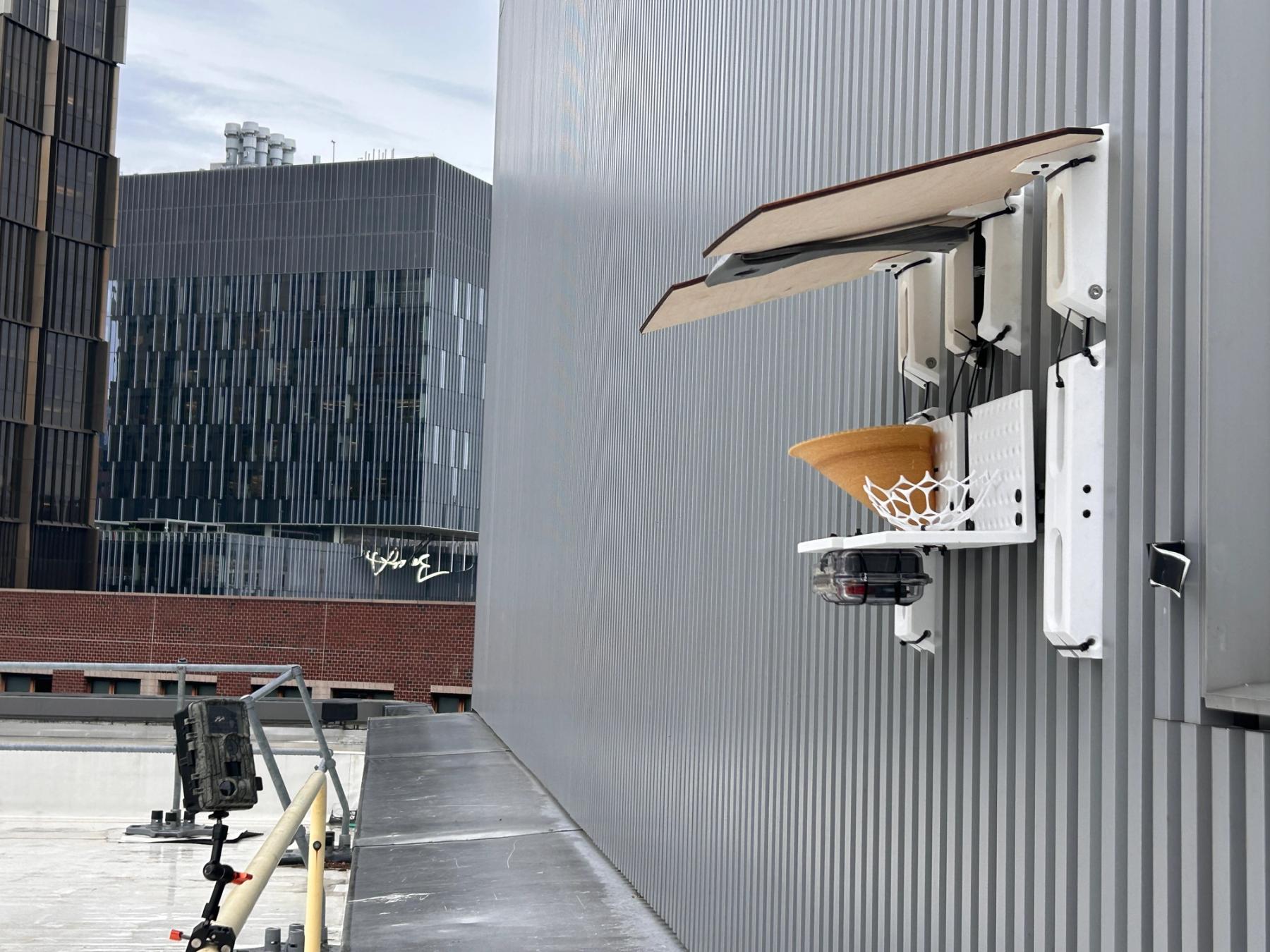
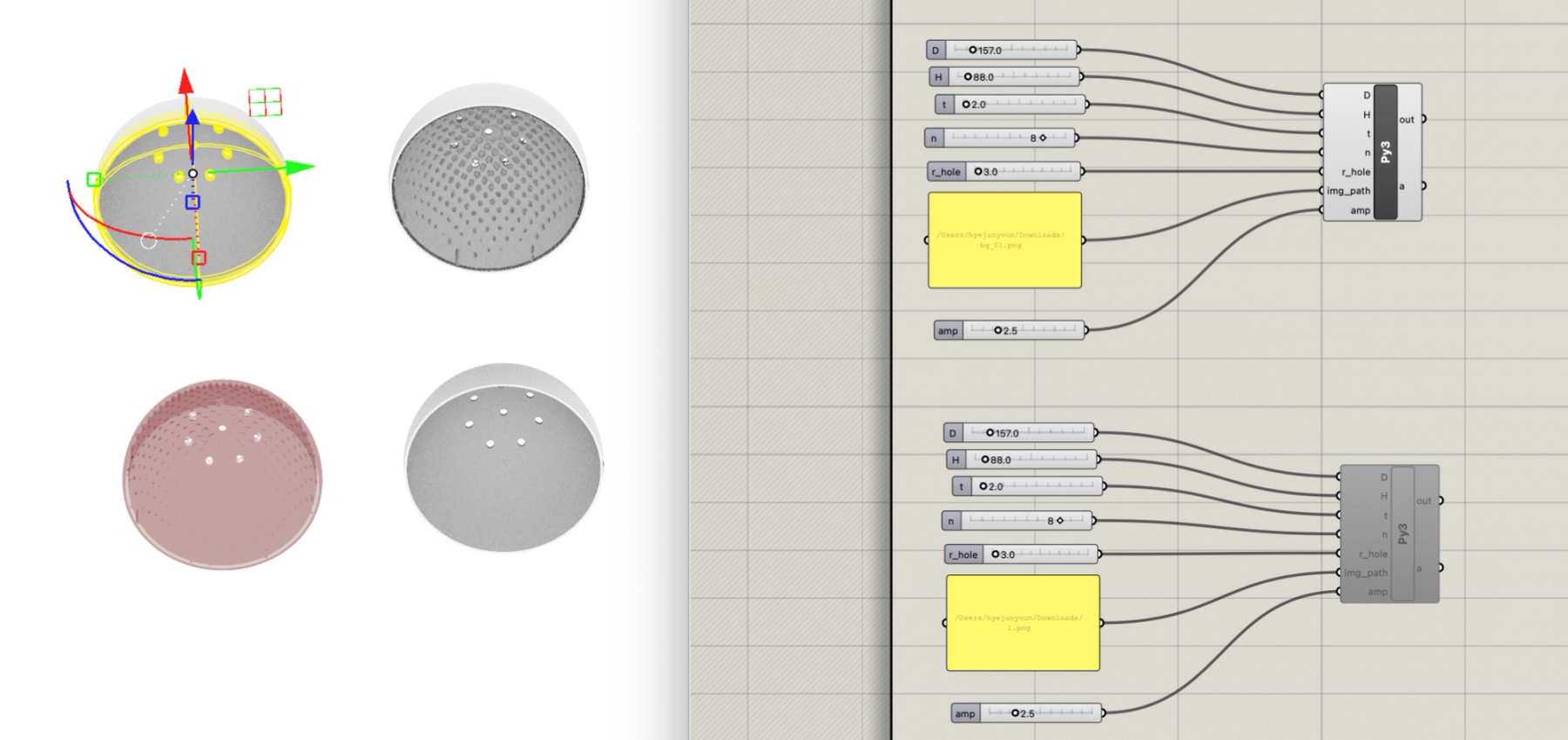
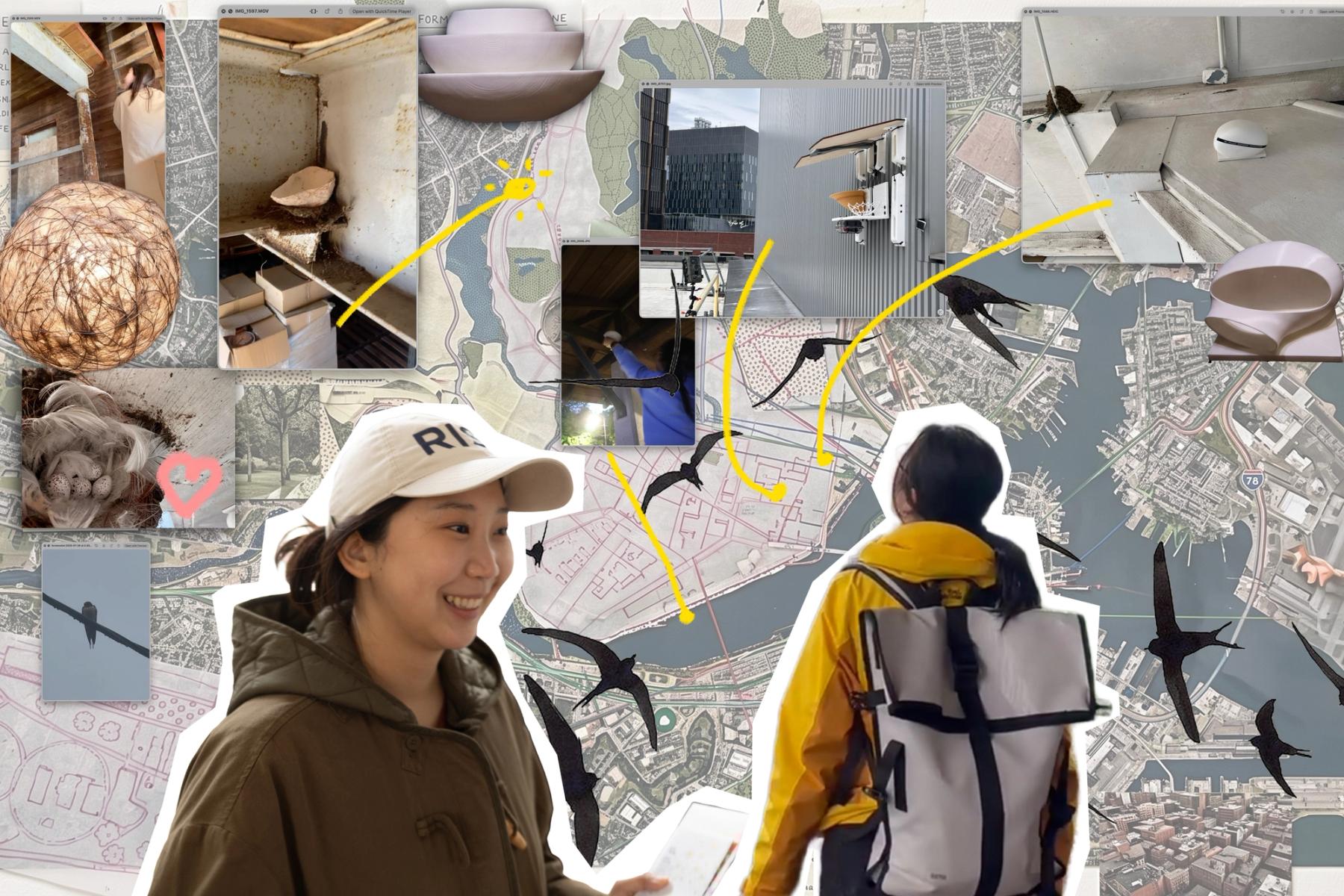
Existing swallow nesting sites were mapped to identify underused, low-conflict locations—such as welcoming flower shops, rooftops, and public structures—where birds can nest while minimizing disturbance to people. To design the birdhouses, we documented existing nests through 3D scanning, preserving both the nests and the birds’ habitats. Then worked with ornithologists from Cornell Bird Lab, the structures are designed to be deliberately left half-built providing nesting support for birds that are known to reject a fully finished nest. Finally, the scaffolds are 3D-printed from locally sourced biomaterials, drawing on biofabrication approaches inspired by previous work on biophilic design and material ecology that treats the printed structure as a living substrate rather than a finished shell. Scaffolds for birdhouses are then placed in these locations, treating nest-site selection itself as a design decision.
Bridging biology, fabrication, and design, Bird+House also considers how these scaffolds can be used beyond their ecological function. We plan to translate their forms into everyday objects, such as lampshades, that bring co-created nests into public and domestic life, as well as into potential exhibition installations—extending the project toward greater public awareness and empathy for the species.