About
Mission
Futures Where Nature Leads Innovation
Vision
The MIT-LUMA Lab brings together design, science, technology, and the arts to develop new approaches to restoring biodiversity as a way to address climate change. Working with local communities and global partners, the MIT-LUMA Lab creates place-based solutions that strengthen ecosystems, support creative economies, and generate knowledge that can be shared around the world.
Established
Established at MIT in 2025 through the generous support of the LUMA Foundation, the driving principle of the MIT–LUMA Lab is enhancing biodiversity as a pathway to addressing climate change.
Inspired by Tour du Valat—a leading research institute for the conservation of Mediterranean wetlands—and the vision of Luc Hoffmann in the Camargue region of southern France, the Lab brings together design, science, technology, and the arts through collaborations with Atelier LUMA in Arles, France, and partners around the world.
Together, these interdisciplinary efforts seek to preserve and enrich the diversity of life in all its forms—from plants and animals to fungi and microorganisms—while protecting the ecosystems on which they depend.
Approach
The MIT-LUMA Lab focuses on the global commons – shared environments such as rainforests, coastlines, oceans, wetlands, and polar regions that are essential to planetary health, yet are increasingly threatened by climate change. By working alongside local communities, researchers, artists, and policymakers, the MIT-LUMA Lab develops place-based solutions that restore ecosystems, foster creative economies, and build resilient futures.
The aspiration is to create new ecologies that move the needle on global warming and propose alternative, viable economies promoting regional biodiversity while connecting to a global network of knowledge and exchange. These new ecologies will emerge out of specific projects in the global commons.
The MIT-LUMA Lab seeks to generate knowledge and models that can be adapted around the world, focusing its activities in these five strongly coordinated areas.
The driving principle of the MIT-LUMA Lab is that enhancing biodiversity is a primary pathway to addressing climate change.
These are the strands of the
MIT-LUMA Lab.
MIT-LUMA Lab.
Research at the MIT-LUMA Lab advances ecological resilience by developing alternatives to products, materials, and systems that contribute to biodiversity loss. In partnership with Atelier LUMA and local collaborators, research spans multiple scales from nanotechnology and material innovation to architecture, and landscapes.
01 Case Study
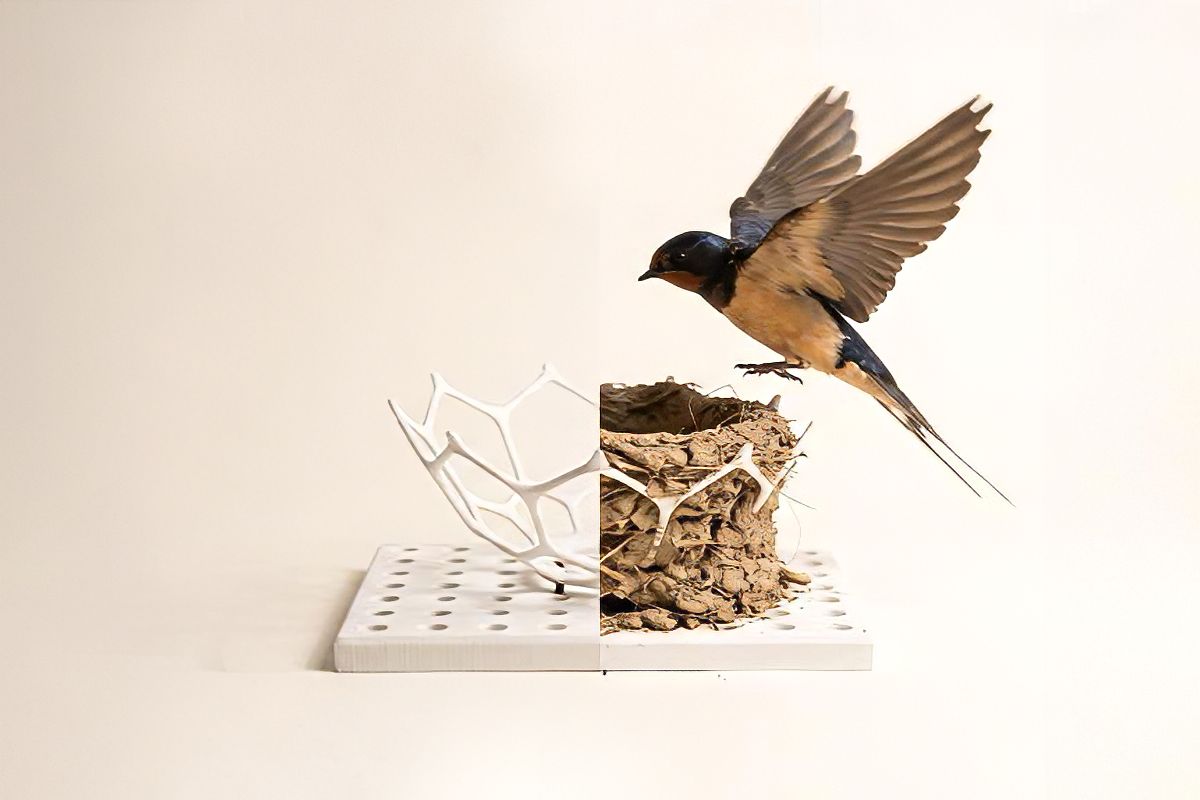
Bird+House
Barn swallows are a familiar yet declining sight, their nests disappearing along with the barns they once relied on. Bird+House is a nesting project finding space for biodiversity within an expanding human footprint. Rather than finished nests, we 3D-print scaffolds from local biomaterials — open structures placed at safer sites that invite the birds to finish the form themselves. The project is a cross-disciplinary study of ecological restoration and a new interspecies design language to build public awareness and empathy.
02 Case Study
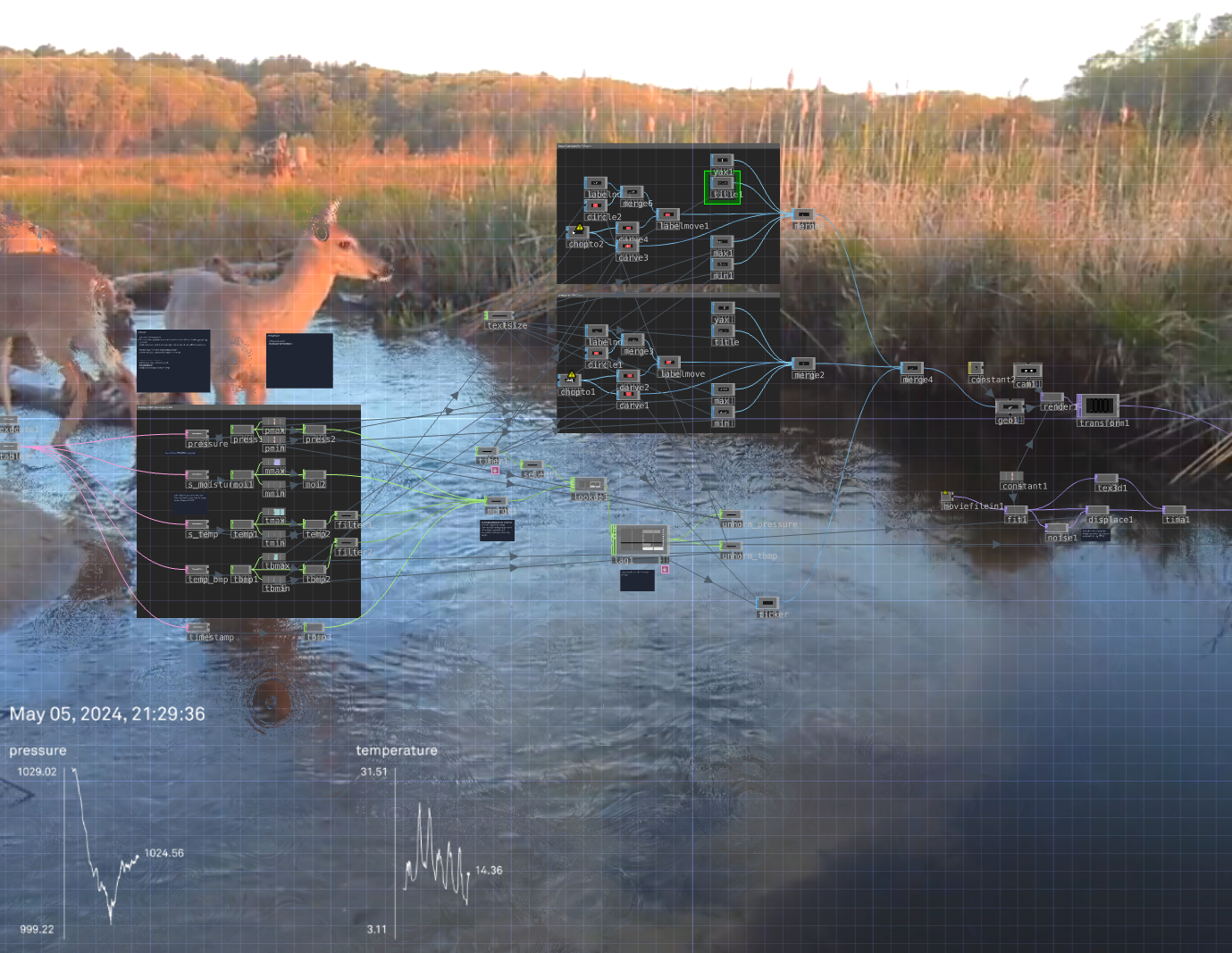
Ground Truth
03 Case Study
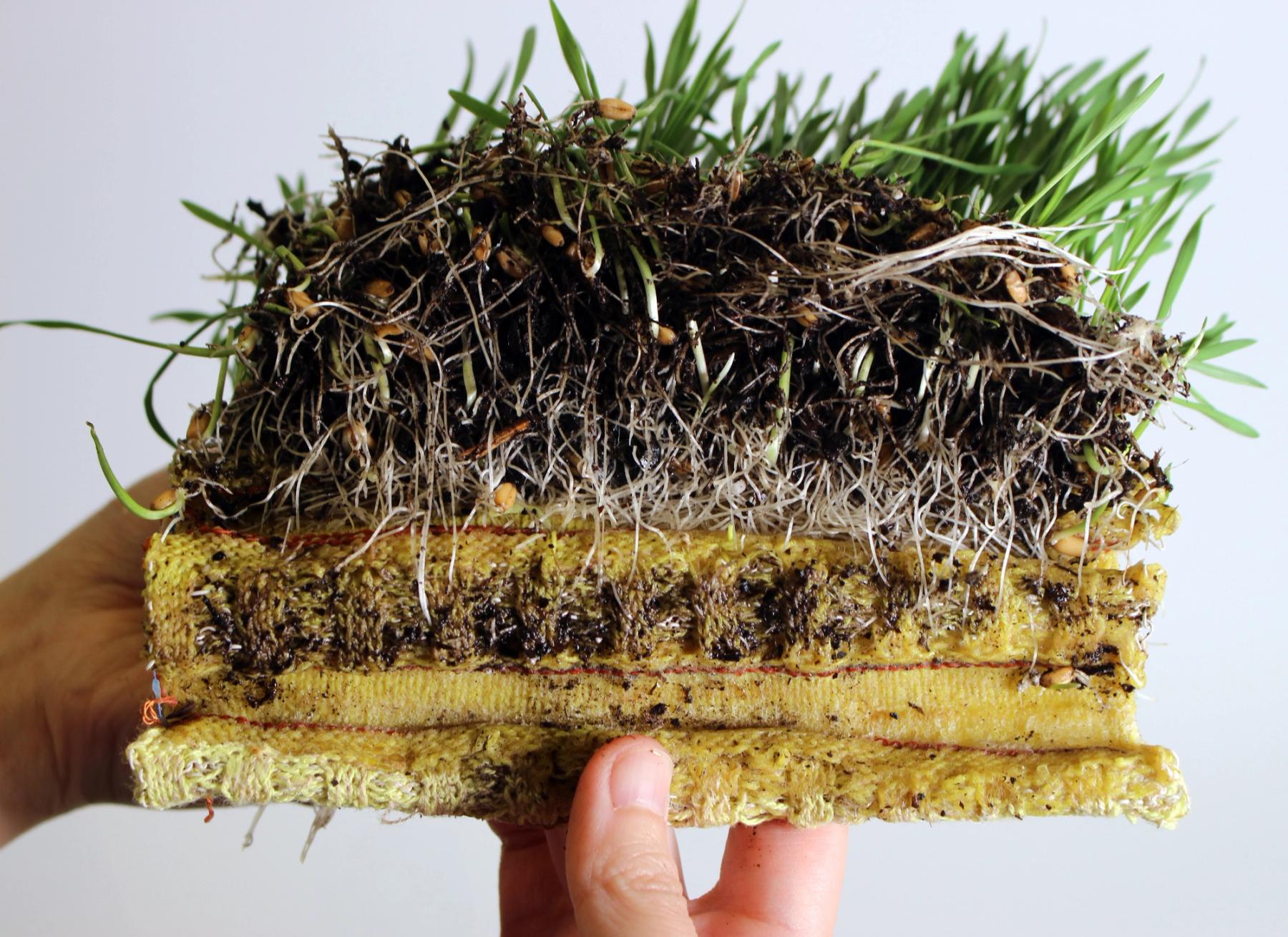
Guided Growth
04 Case Study
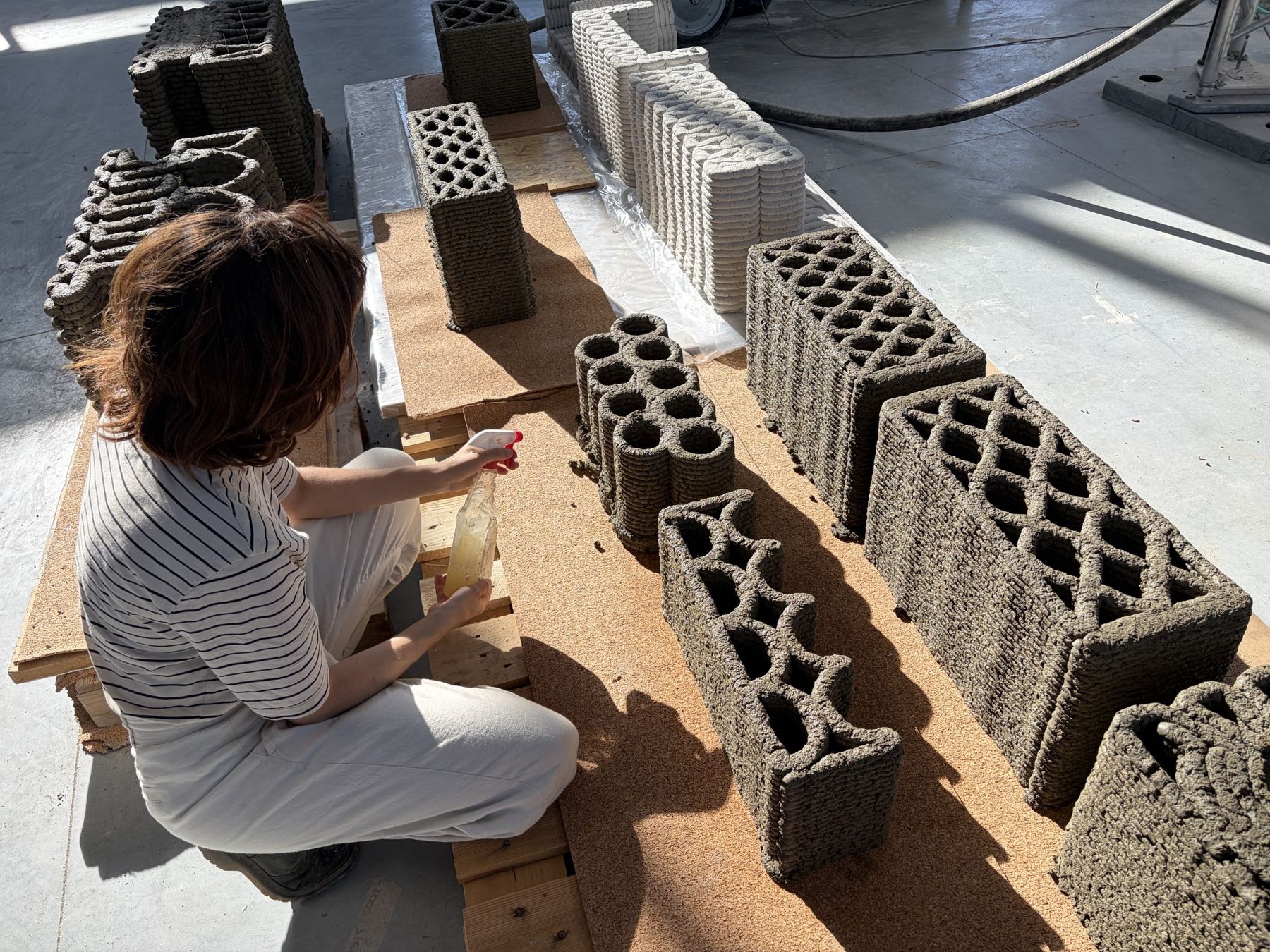
Living Walls
05 Case Study
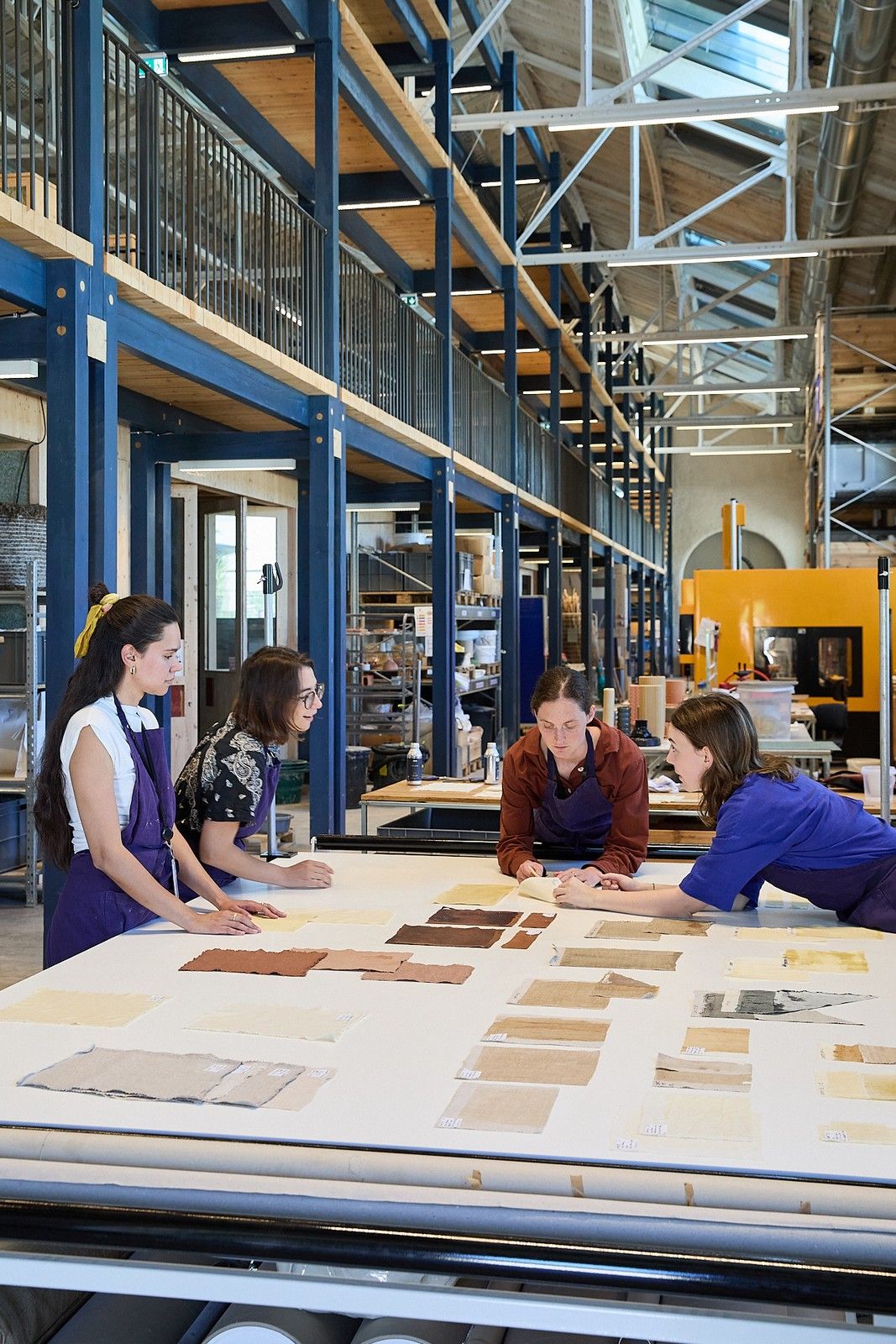
Natural Active Textiles
06 Case Study
REEF

07 Case Study
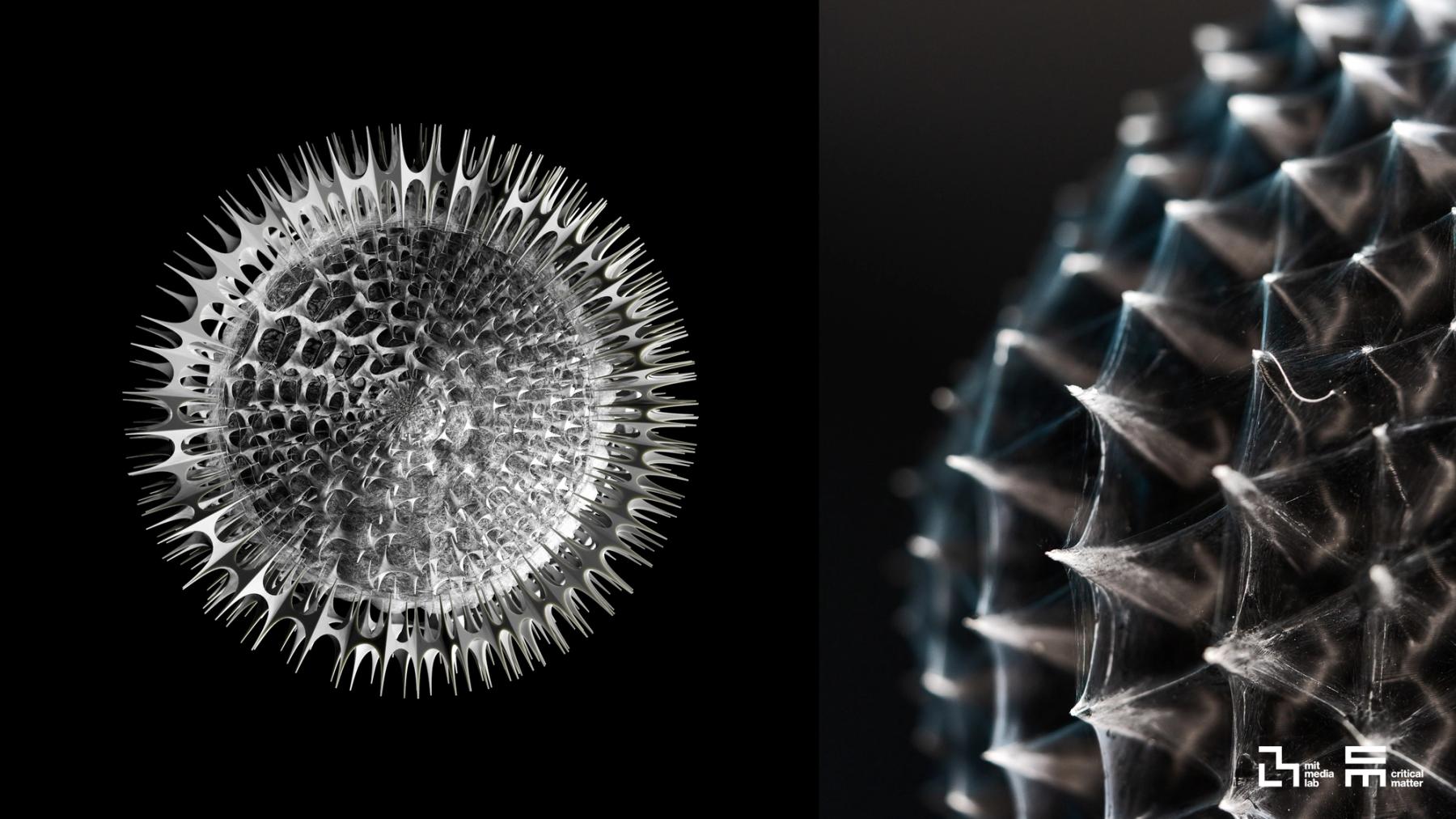
Radiolaria
08 Case Study
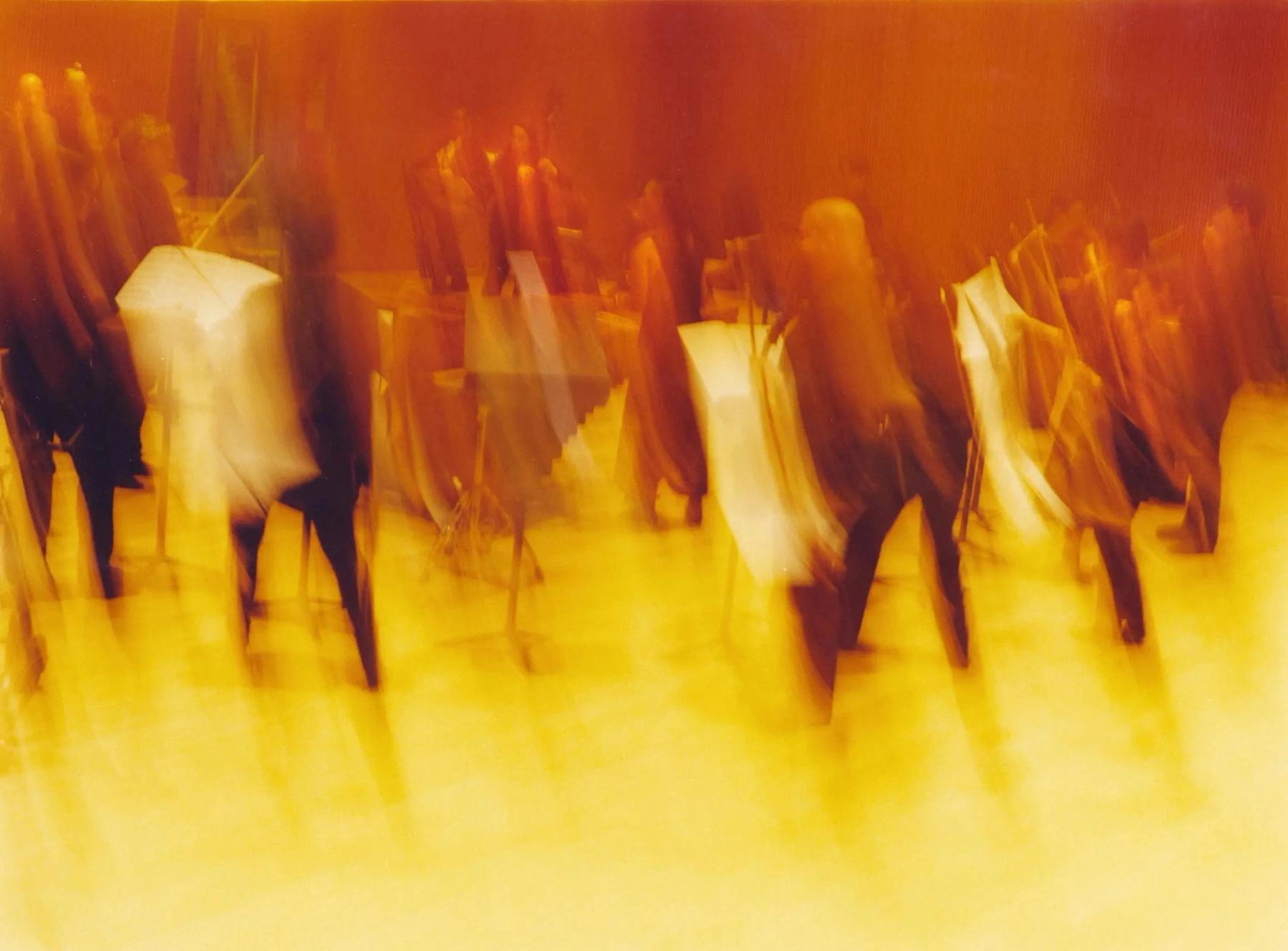
The Overstory
09 Case Study
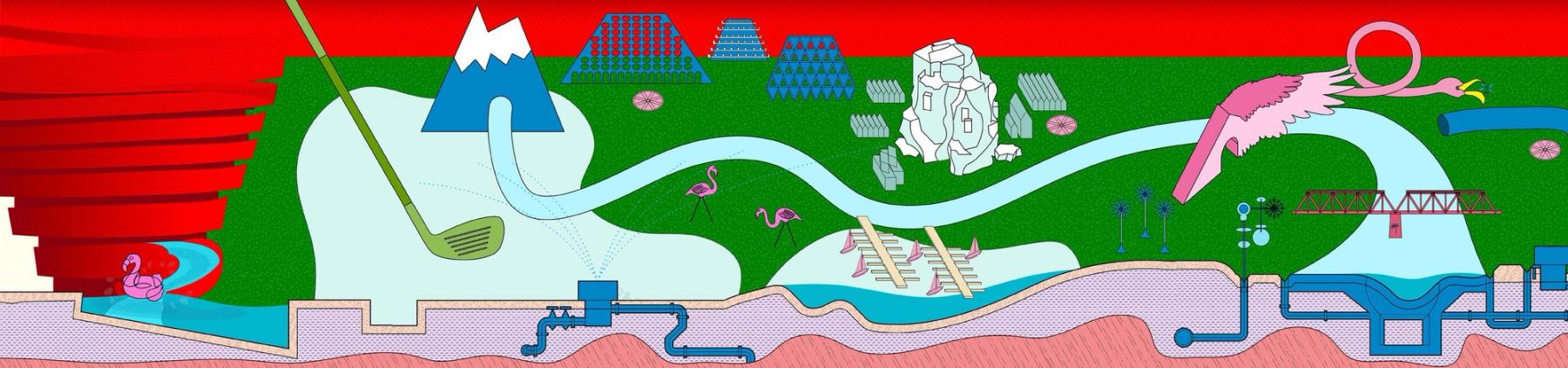
Vivre en Flamant Rose
10 Case Study
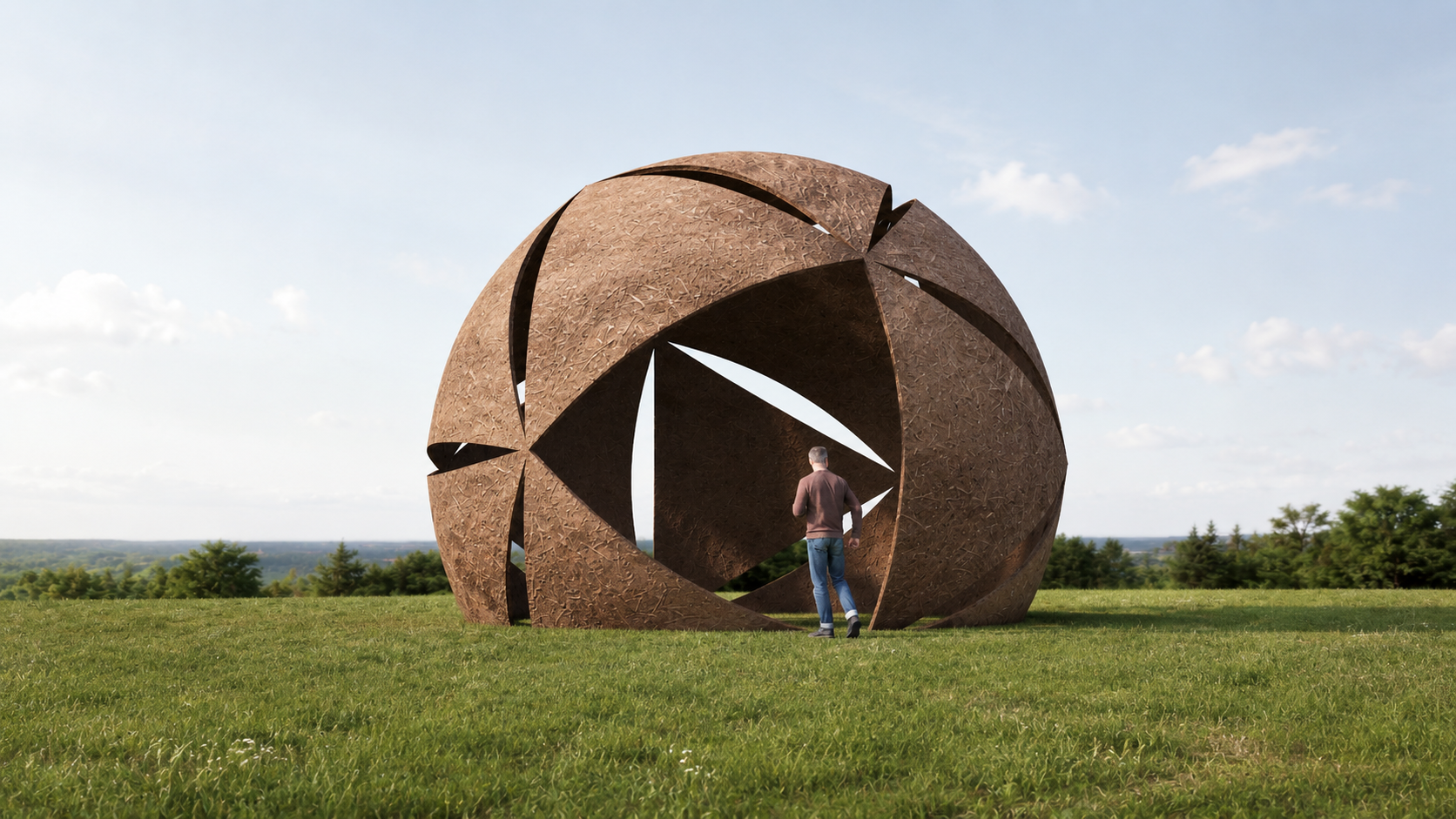
WoodSpray
Activation transforms research into real-world impact. Working with industry partners, entrepreneurs, and organizations advocating climate solutions, the MIT-LUMA Lab moves promising ideas from prototype into practice. By considering deployment from the outset, this work supports scalable solutions, strengthens creative and environmental economies, and creates opportunities for sustainable growth.
01 Case Study
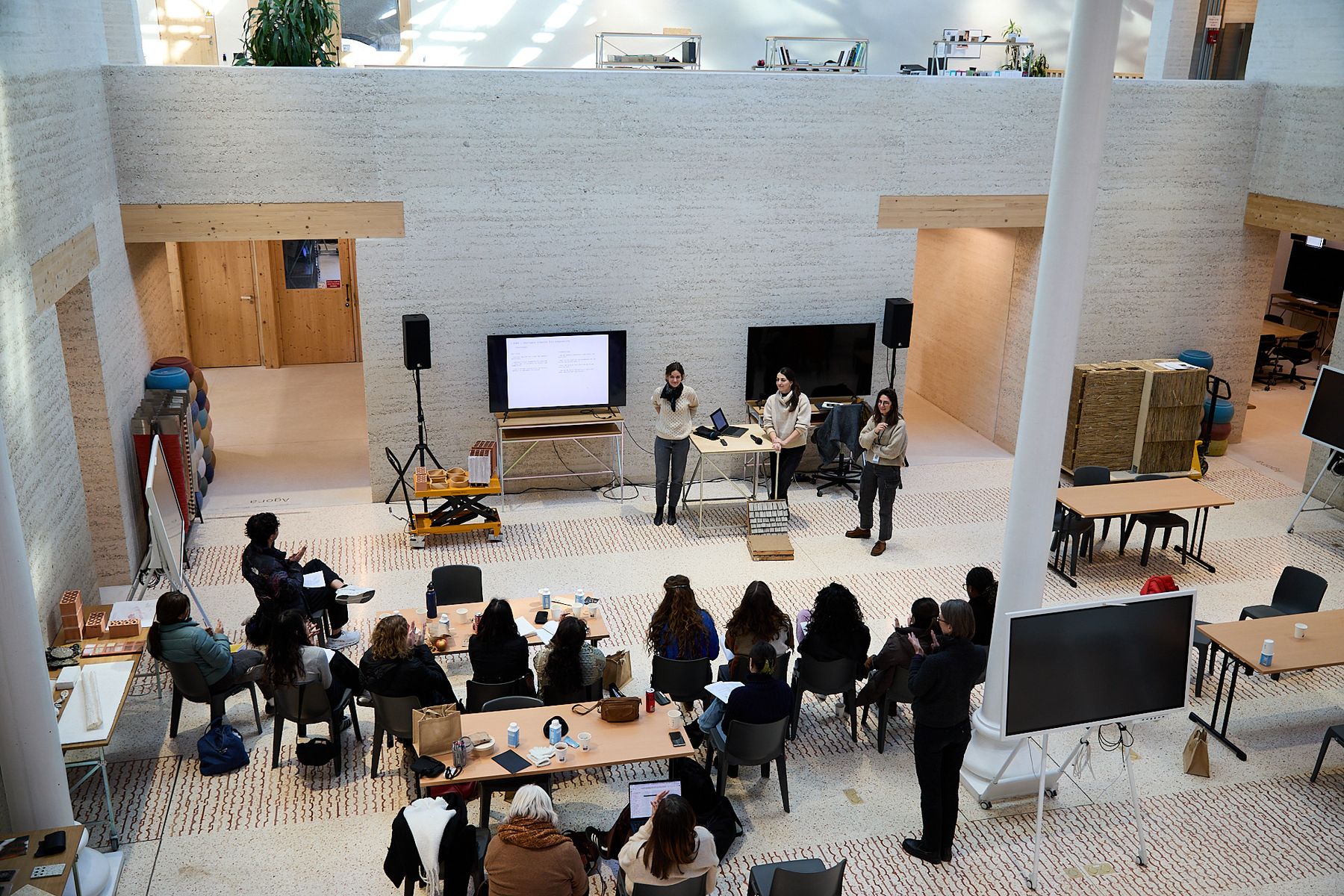
MIT-LUMA Innovation Studio
Collaboration places local communities at the center of the MIT-LUMA Lab’s work, recognizing that they are the primary agents of effective environmental change. By building long-term partnerships and creating opportunities for exchange among peers facing similar ecological challenges, the Lab strengthens local ecosystems while expanding a global network of shared knowledge.
01 Case Study
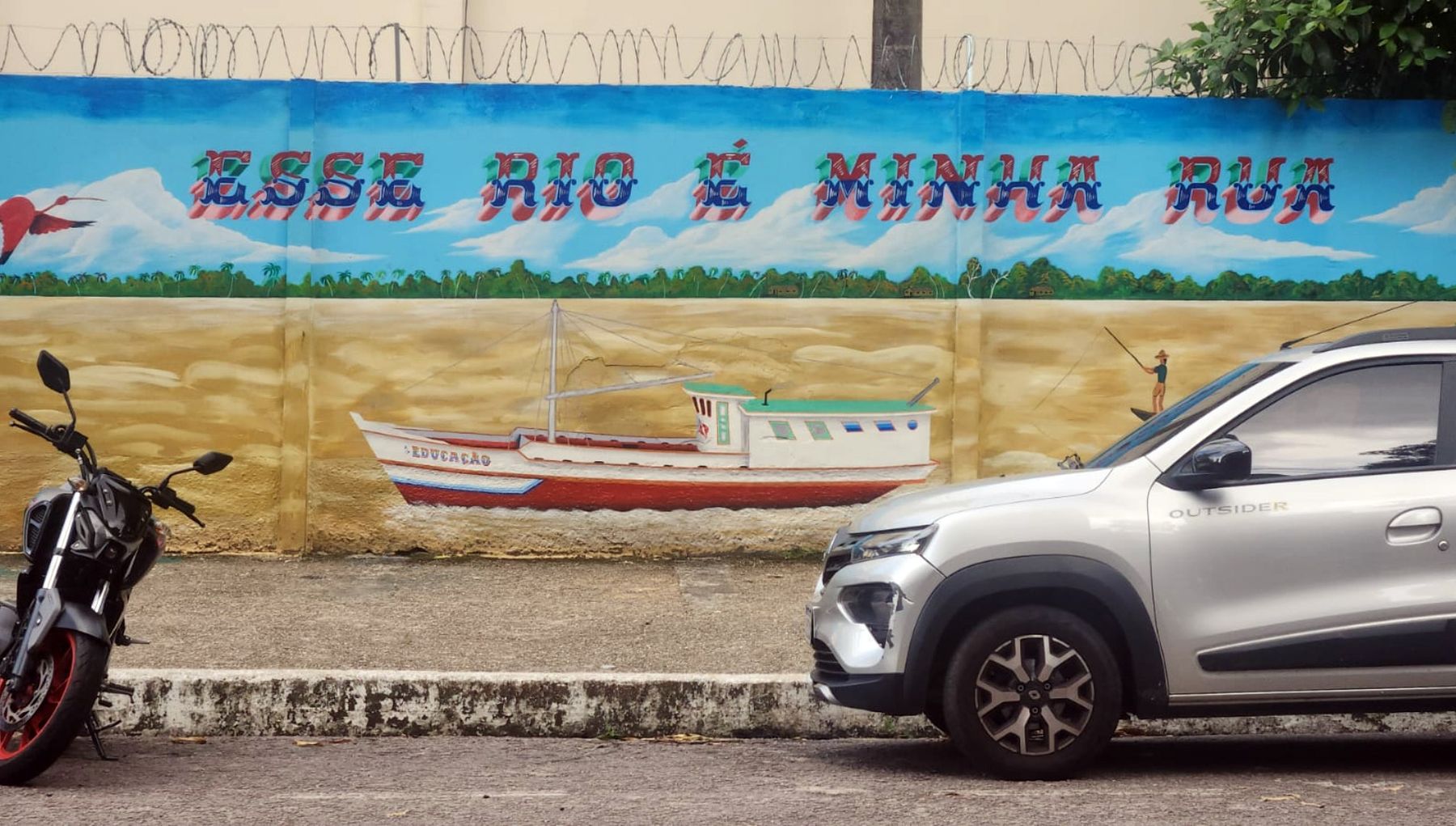
Manaus: A Fluvial City
At the MIT-LUMA Lab arts and research shape one another. Scientific and technological innovation create opportunities for artistic experimentation, while artists help imagine alternative futures and expand how we understand the relationship between people and the environment. Through exhibitions, publications, and public programs, the Lab communicates its research in ways that engage audiences beyond academia.
Learning integrates research and teaching to advance new approaches to design, construction, manufacturing, and ecology. Through courses, workshops, and collaborative learning opportunities at MIT and LUMA Arles, the Lab cultivates intellectual exchange and develops new pedagogies that extend beyond MIT.
01 Case Study
Field Work: Earth Systems Studio
Field Work: Earth Systems Studio brought together students from MIT Architecture and Atelier LUMA to explore new approaches to designing and building in extreme environments and ecosystems increasingly shaped by climate change.