Ground Truth
Sensing Infrastructure and Shared Visions for Wetland Regeneration
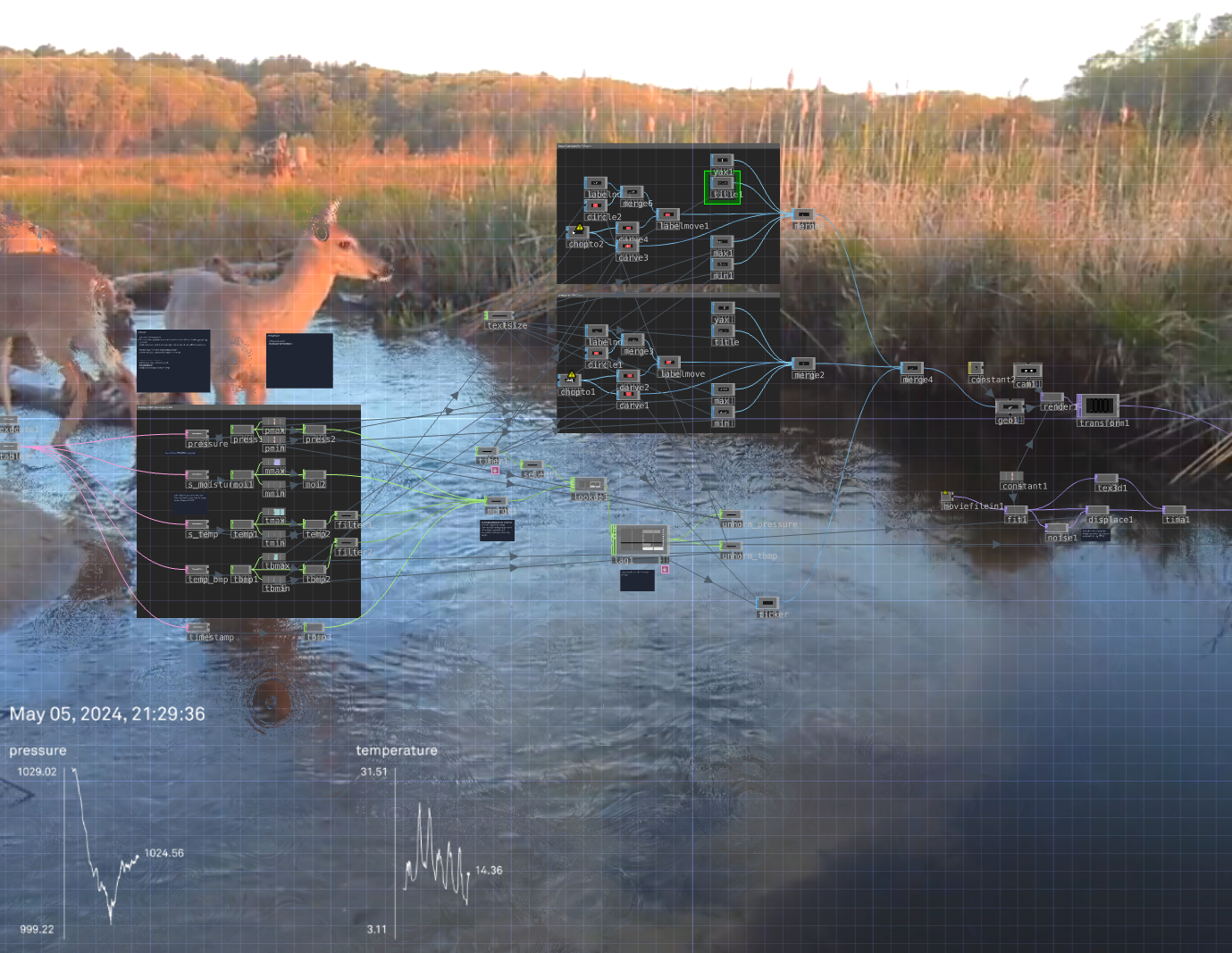
Wetland environments, especially those occurring at the interface of land and sea, foster the proliferation of life at every scale. Many of these landscapes have been degraded by extractive agriculture practices in recent centuries; however, they can be regenerated through the techniques of restoration ecology informed by contemporary sensing networks. For over a decade, the MIT Media Lab’s Responsive Environments Group (ResEnv) has been collecting critical environmental data from a custom sensing infrastructure installed across a post-industrial cranberry bog in south-eastern Massachusetts. Now, the ResEnv team is re-designing the sensor node to be more responsive to the specific needs of the soil scientists they support and to improve environmental robustness. Through a new collaboration with Tour du Valat, sparked by the MIT-LUMA lab, they are also designing a novel salinity sensor for wetland monitoring and coastal restoration efforts taking place in the Camargue.
- Project Lead
Joseph Paradiso, MIT
- Research Team
Ben Weiss, MIT
Brian Mayton, MIT
Claire Hanly, MIT
- Research Areas
Ecologies
Wetland Restoration
Environmental Sensing
Community Engagement
Information Design
- Links
resenv: The Responsive Environments Group of the MIT Media Lab (opens in new tab)
Living Observatory (opens in new tab)
Tour du Valat (opens in new tab)
Sea Grant: Woods Hole Oceanographic Institute (opens in new tab)
In the early 19th century, wetlands across south-eastern Massachusetts were reengineered into cranberry bogs and utilized for agriculture for the subsequent 200 years. While these farms became essential to local cultural and economic development during that period, they now face uncertain futures both economically and ecologically. The degradation of ecosystem services associated with this agricultural history represents an opportunity to envision an alternative future for these landscapes, driven by collaborative restoration efforts.
In close cooperation with Living Observatory, a non-profit collaborative supporting restoration efforts across 20 wetland sites in Massachusetts, ResEnv developed a custom sensor network at the Tidmarsh Wildlife Sanctuary to monitor the restoration process. The environmental data from this sensor network has been critical to demonstrating the impact of restoration efforts at Tidmarsh. Additionally, it has furnished a rich series of data visualization, sonification, and creative interface projects downstream.
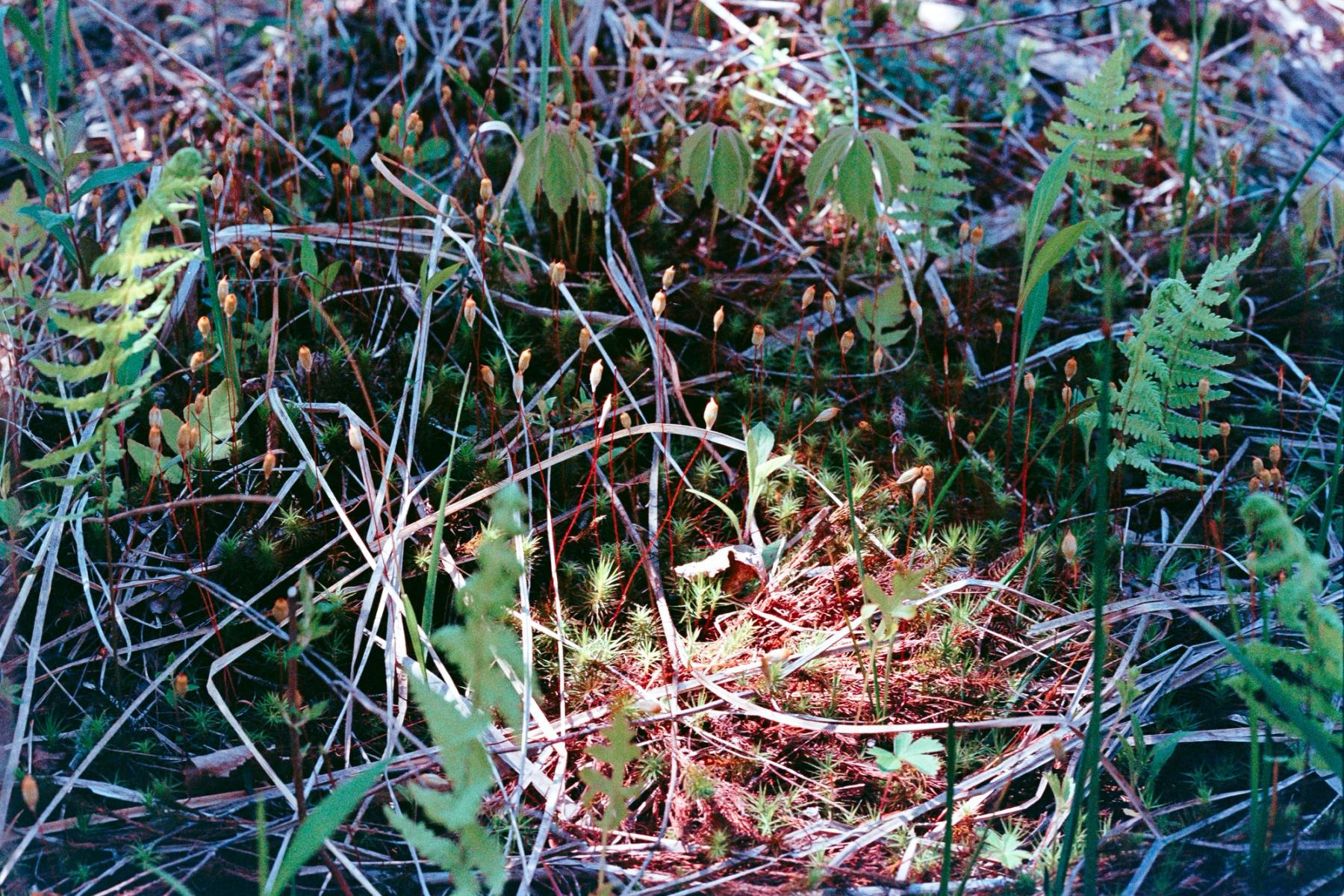
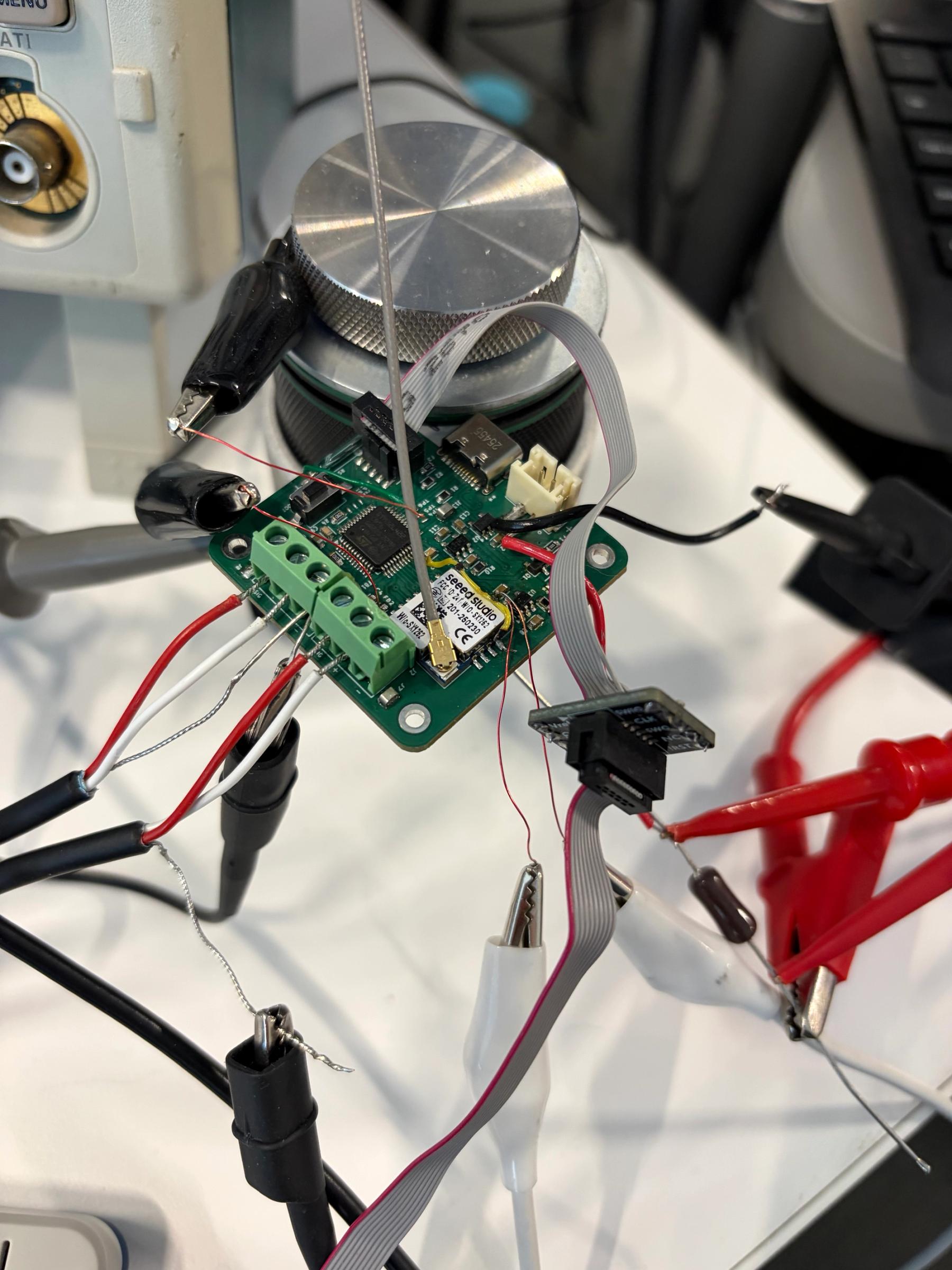
With the support of the MIT-LUMA lab, ResEnv is developing new custom microcontroller and hardware designs to upgrade the Tidmarsh sensor installation, improving both robustness to the elements and utility for their scientific partners. Through LUMA funding and research networks, ResEnv is also broadening their work in wetland restoration sensing to generalize globally, in particular through Tour du Valat, based in Arles, France.
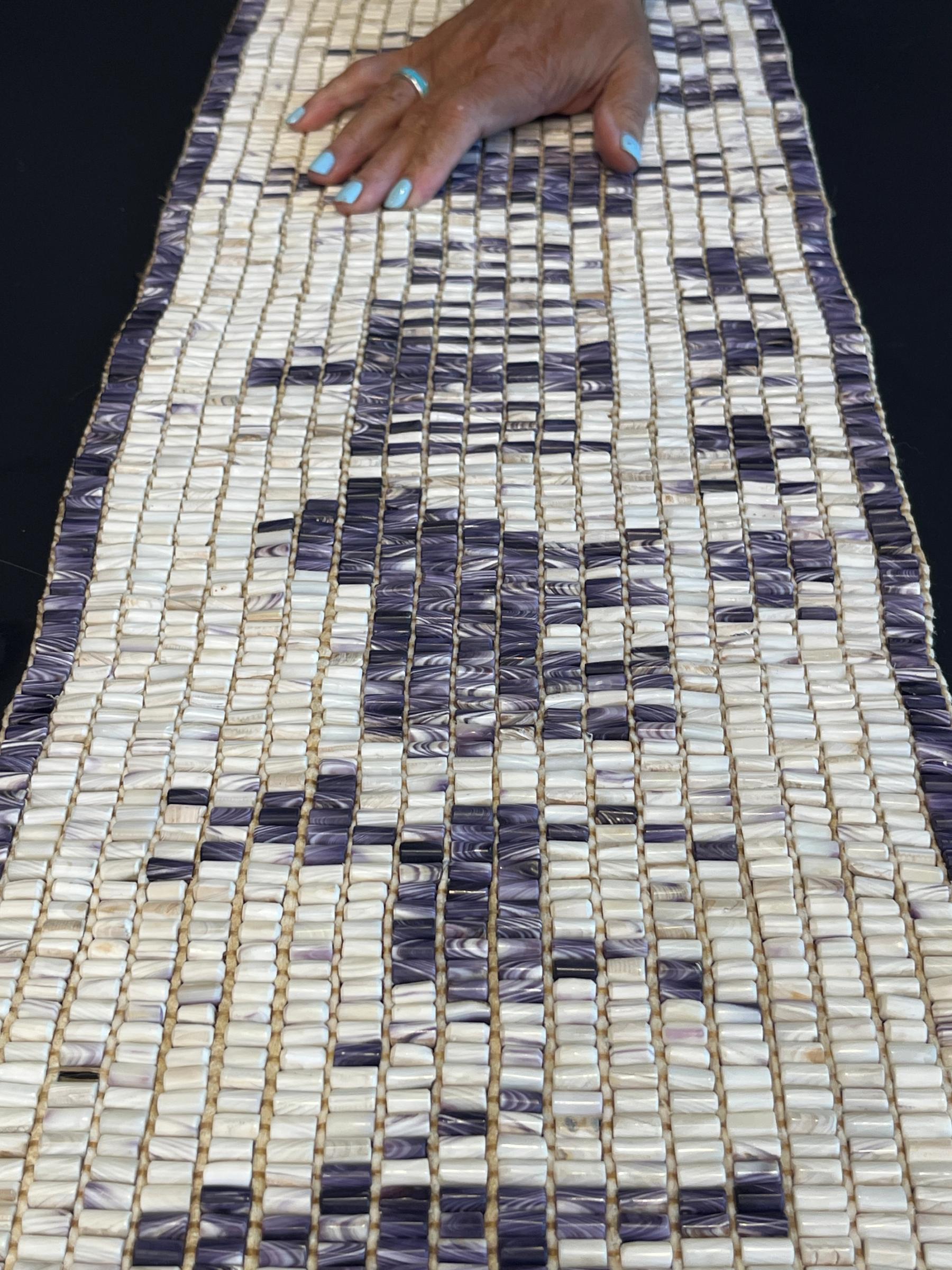
The sensor engineering objectives of this project are undertaken in connection with a belief that nurturing the next generation of ecological stewards is imperative to ensuring that rehabilitated ecosystems remain vibrant and biodiverse in perpetuity. In June 2026, members of the ResEnv team, the Mashpee Wampanoag Tribe and WHOI Sea Grant co-facilitated a workshop, called Utah Unây (meaning, “What’s it like?”) for high school students. Utah Unây aims to help students explore how microcontroller-based sensors can fit into the broader system of Traditional Ecological Knowledge in support of culturally-informed restoration ecology.
Finally, in keeping with one of ResEnv’s core strengths, using an interdisciplinary approach to translate environmental sensor data into engaging user experiences, our team will be exhibiting a newly realized set of sensor data visualizations and sonifications at MIT. Through this work, we invite the MIT community to experience data from across the multi-year restoration period through artistic representation.
Related Projects & Events:
Utah Unây: Understanding the world around us through Traditional Ecological Knowledge and Robotics (June 2026)
ResEnv-Tour du Valat-LUMA Field Site Visit (planned for September 2026)