MIT–LUMA Lab
Mission
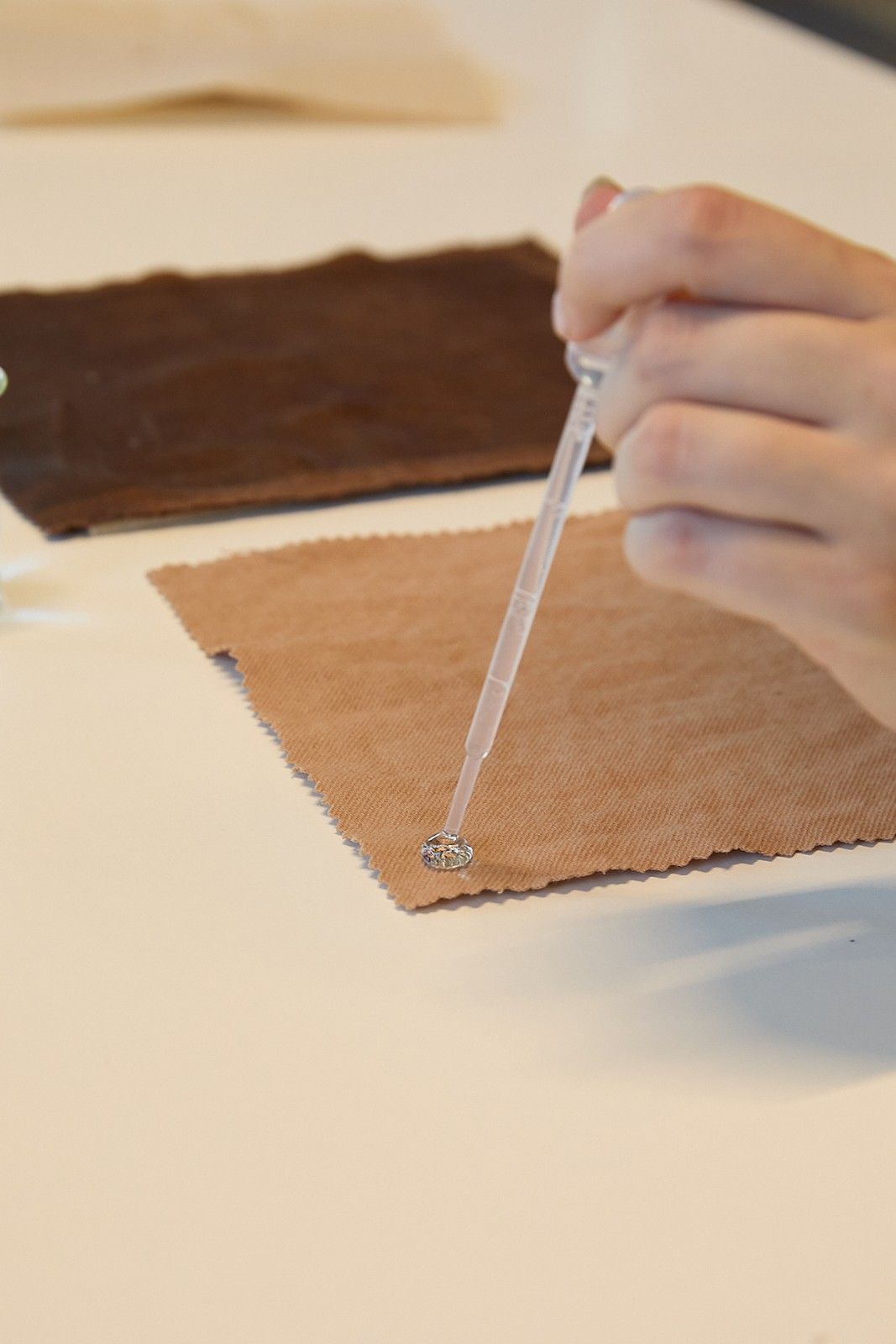
The MIT-LUMA Lab brings together design, science, technology, and the arts to develop new approaches to restoring biodiversity as a way to address climate change. Working with local communities and global partners, the MIT-LUMA Lab creates place-based solutions that strengthen ecosystems, support creative economies, and generate knowledge that can be shared around the world.
Curation
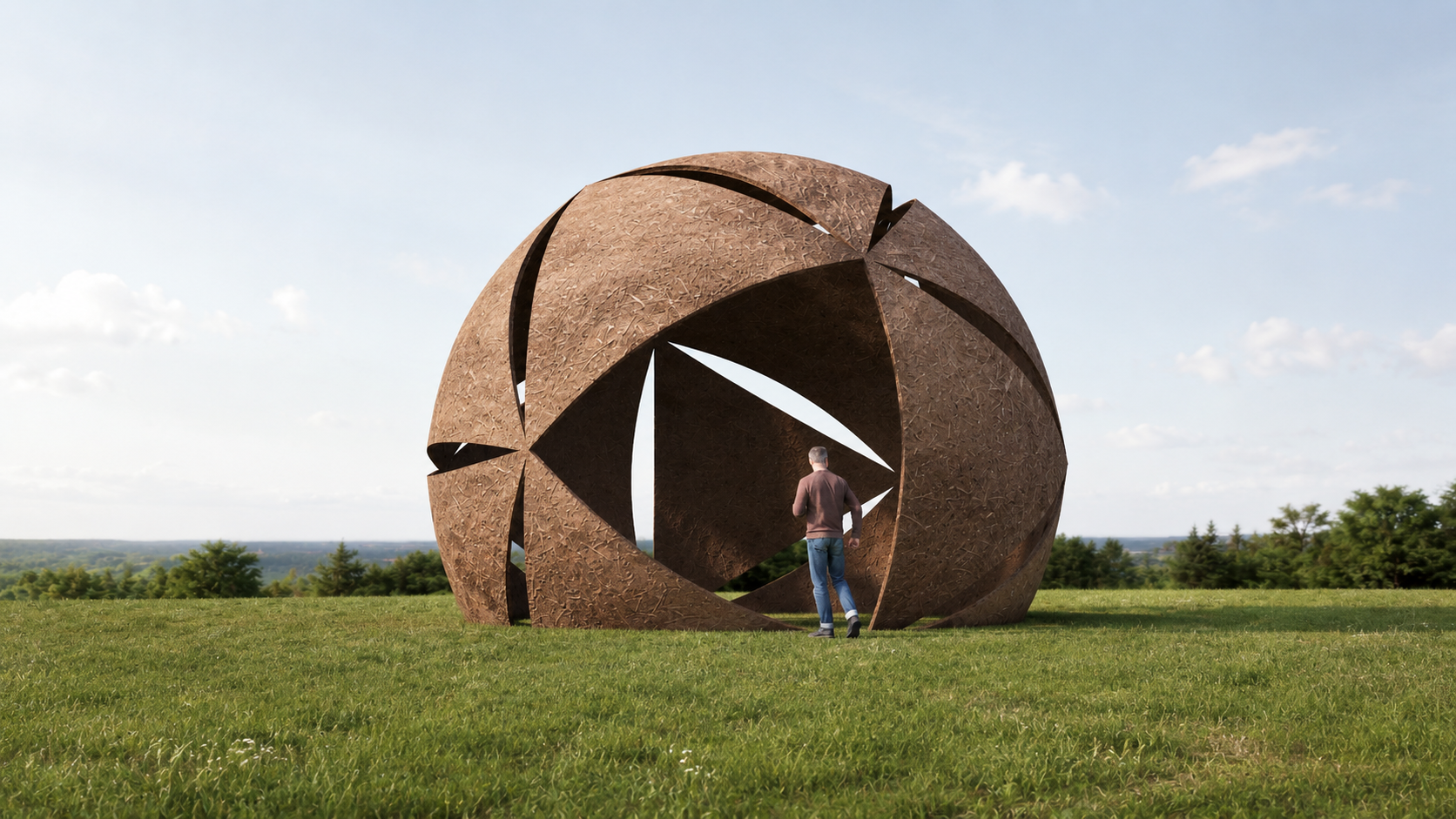
At the MIT-LUMA Lab arts and research shape one another. Scientific and technological innovation create opportunities for artistic experimentation, while artists help imagine alternative futures and expand how we understand the relationship between people and the environment. Through exhibitions, publications, and public programs, the Lab communicates its research in ways that engage audiences beyond academia.
Research
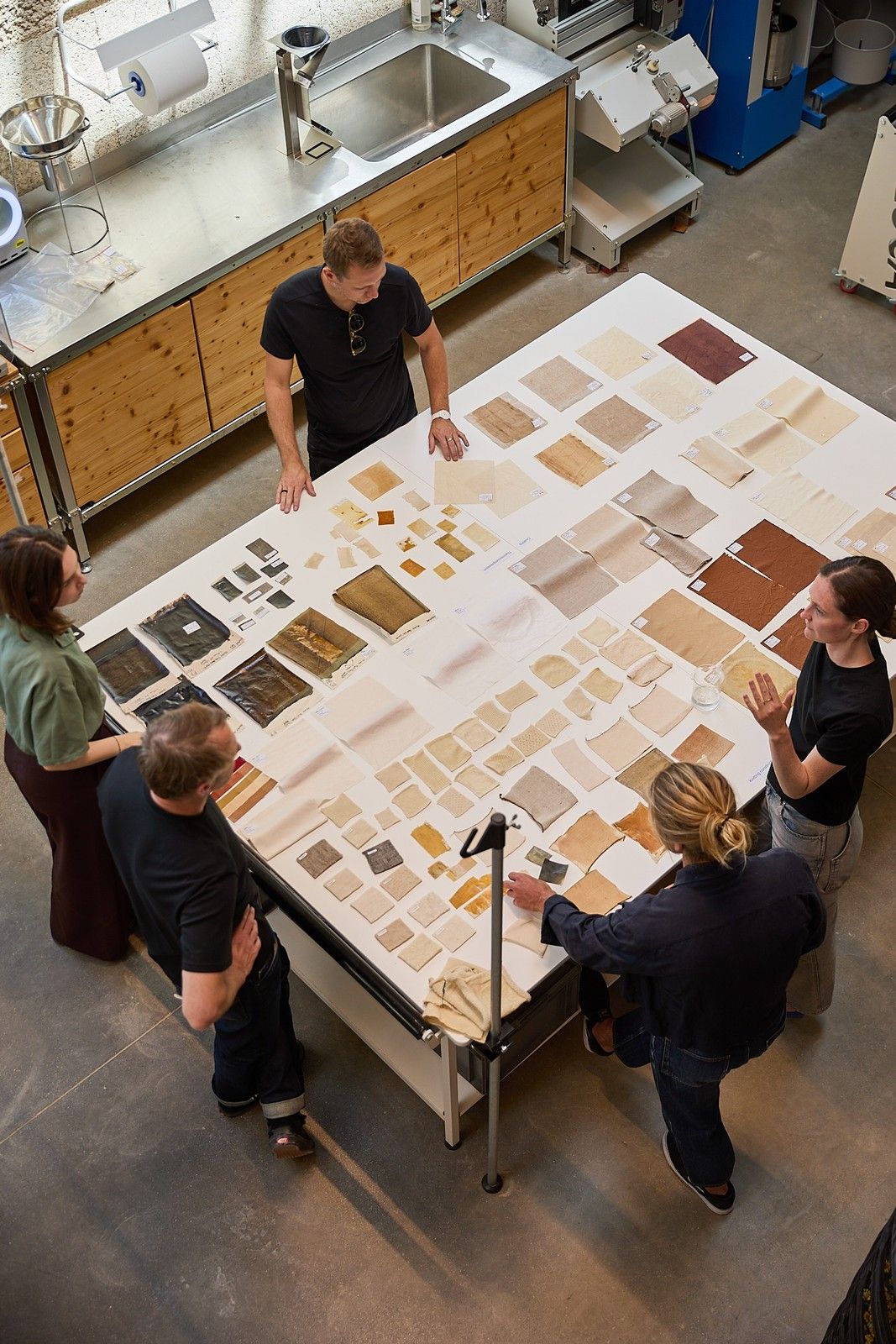
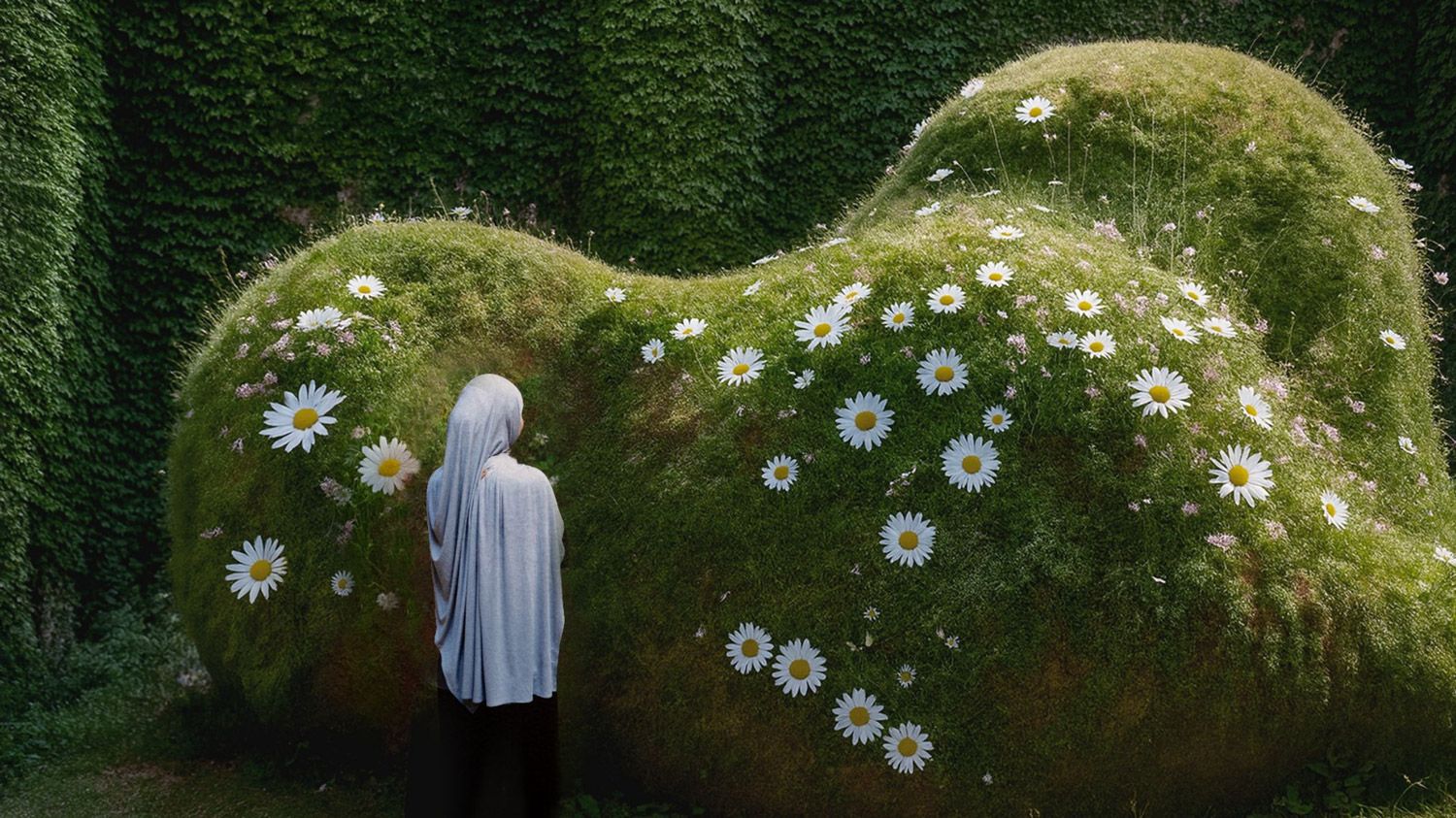
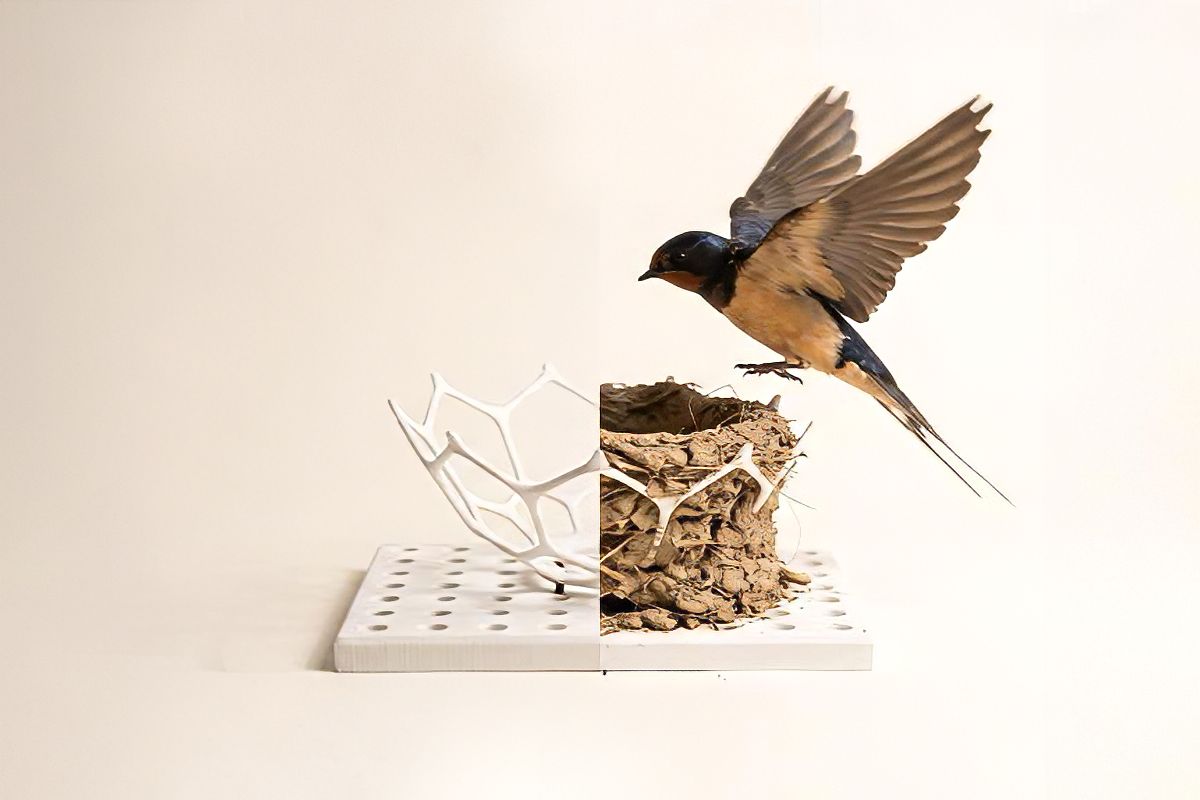
Research at the MIT-LUMA Lab advances ecological resilience by developing alternatives to products, materials, and systems that contribute to biodiversity loss. In partnership with Atelier LUMA and local collaborators, research spans multiple scales from nanotechnology and material innovation to architecture, landscapes, and coastlines.
Activation
Activation transforms research into real-world impact. Working with industry partners, entrepreneurs, and organizations advocating climate solutions, the MIT-LUMA Lab moves promising ideas from prototype into practice. By considering deployment from the outset, this work supports scalable solutions, strengthens creative and environmental economies, and creates opportunities for sustainable growth.
Collaboration
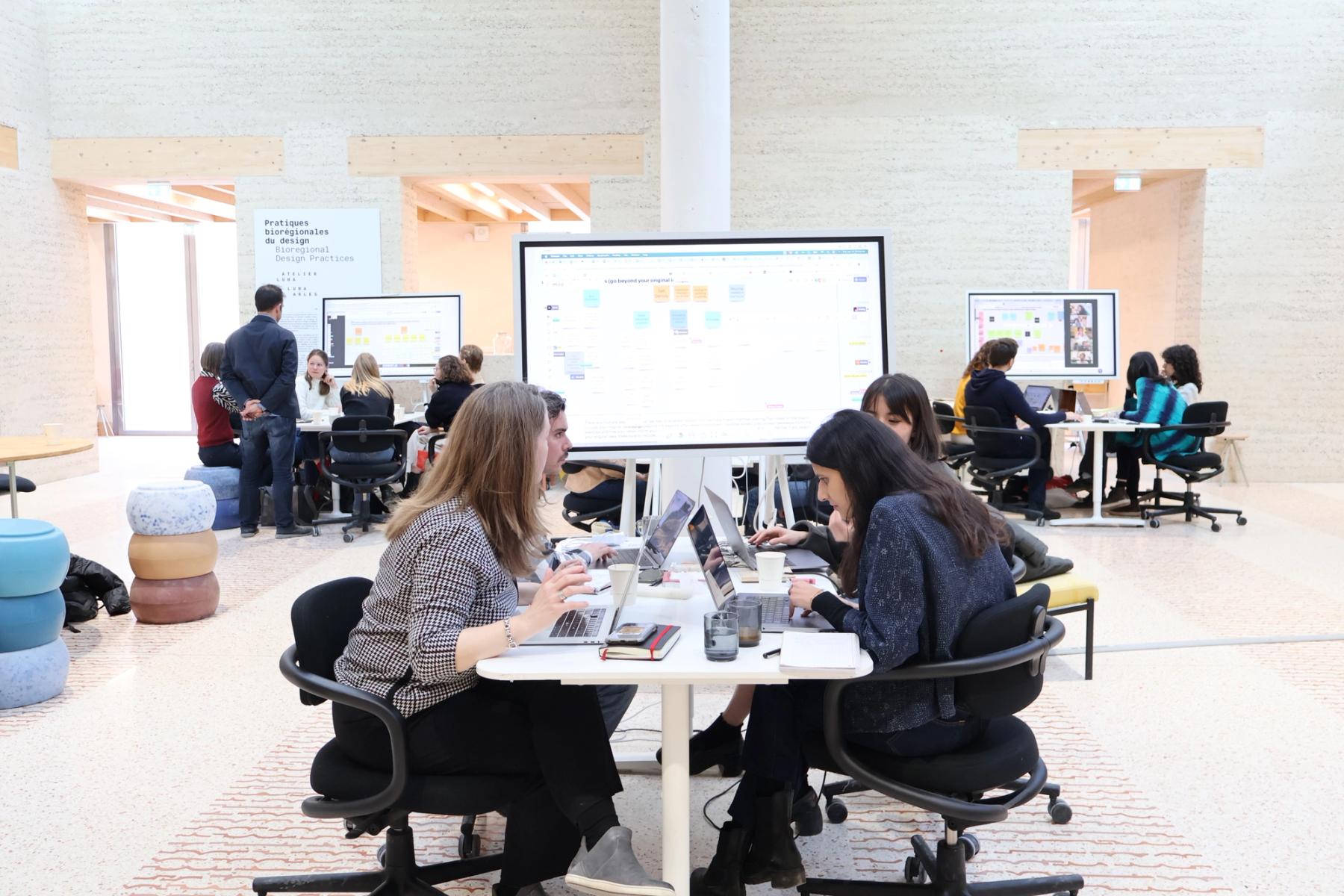
Collaboration places local communities at the center of the MIT-LUMA Lab’s work, recognizing that they are the primary agents of effective environmental change. By building long-term partnerships and creating opportunities for exchange among peers facing similar ecological challenges, the Lab strengthens local ecosystems while expanding a global network of shared knowledge.
Learning
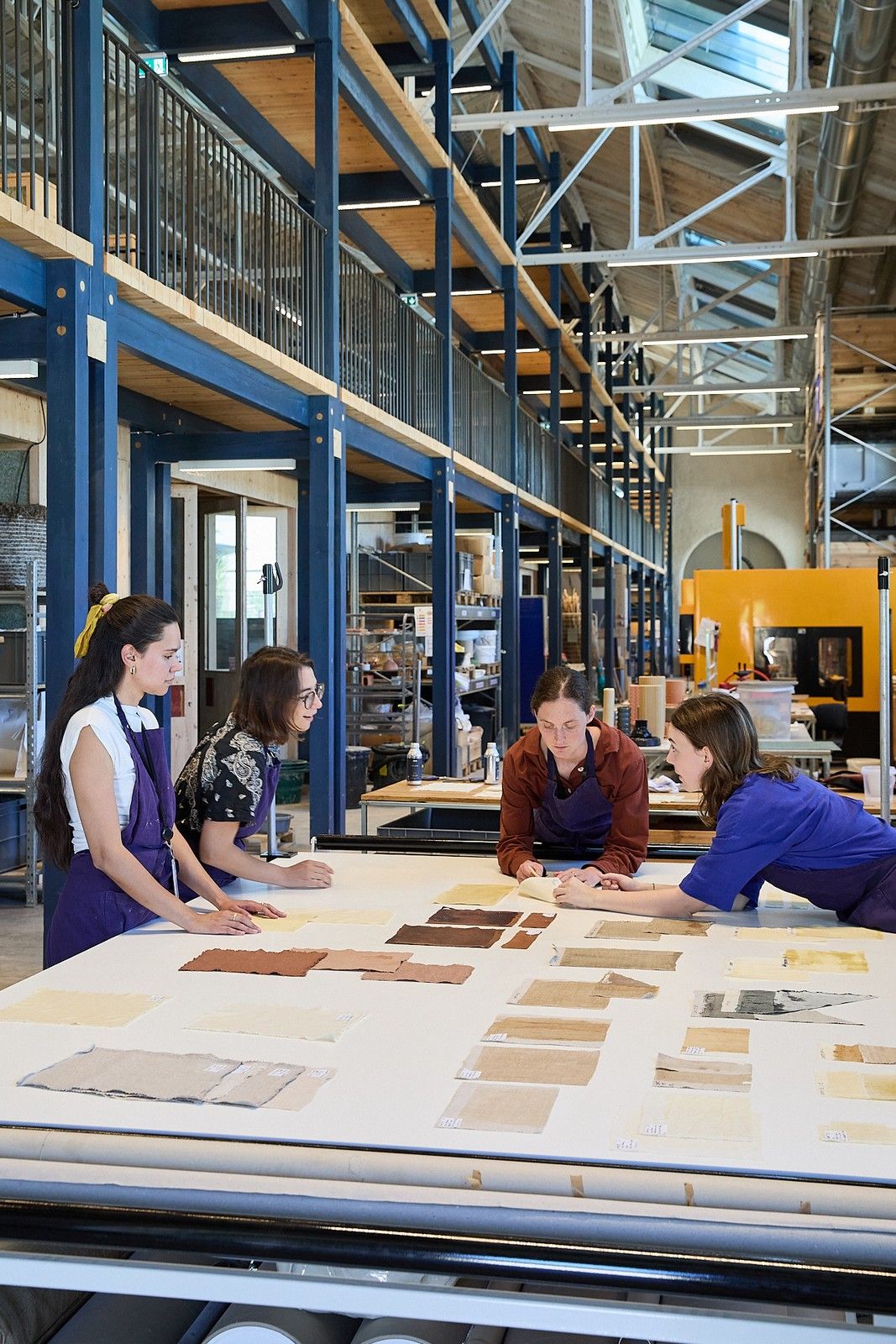
Learning integrates research and teaching to advance new approaches to design, construction, manufacturing, and ecology. Through courses, publications, and collaborative learning opportunities, the Lab cultivates intellectual exchange and develops new pedagogies that extend beyond MIT.