Natural Active Textiles
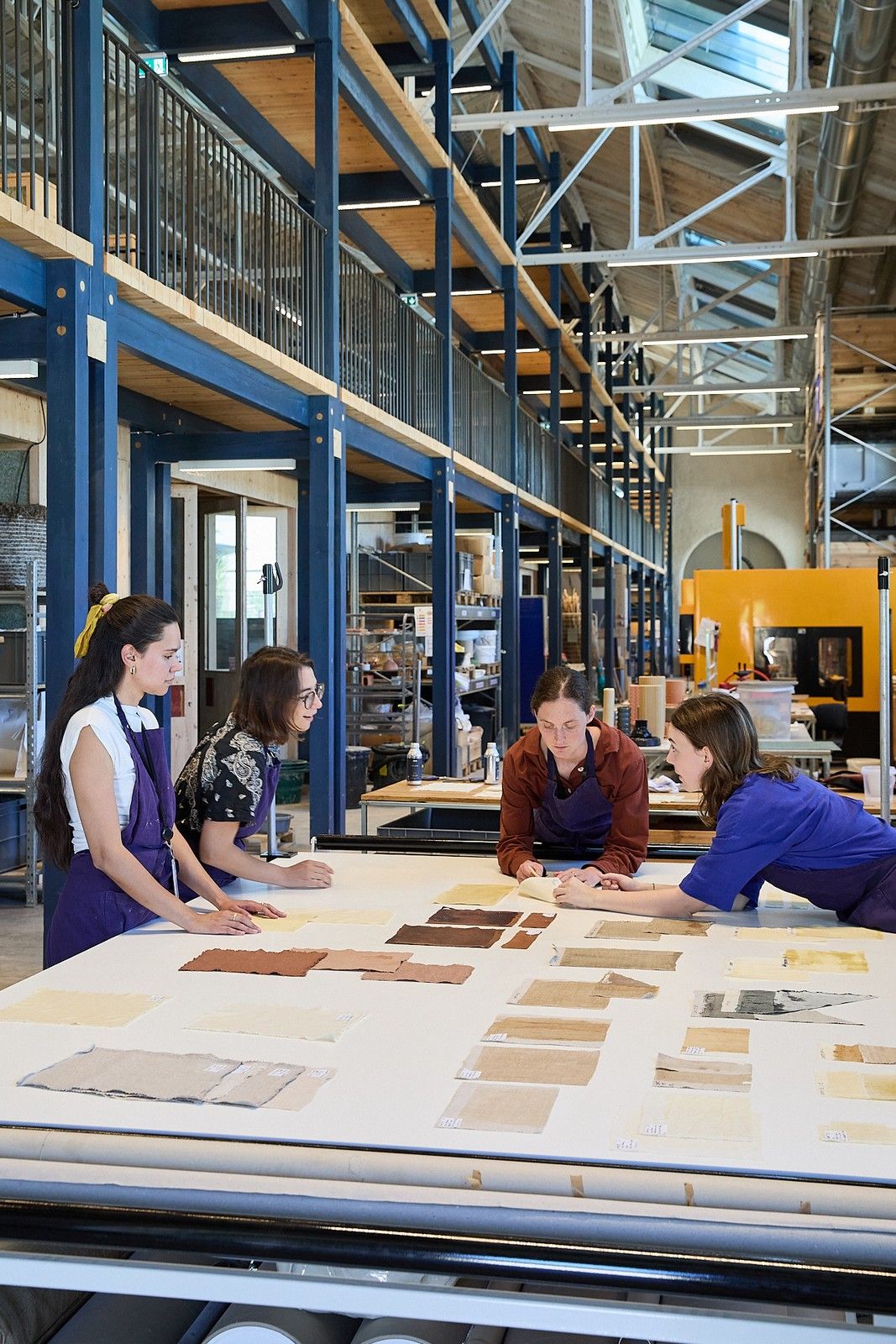
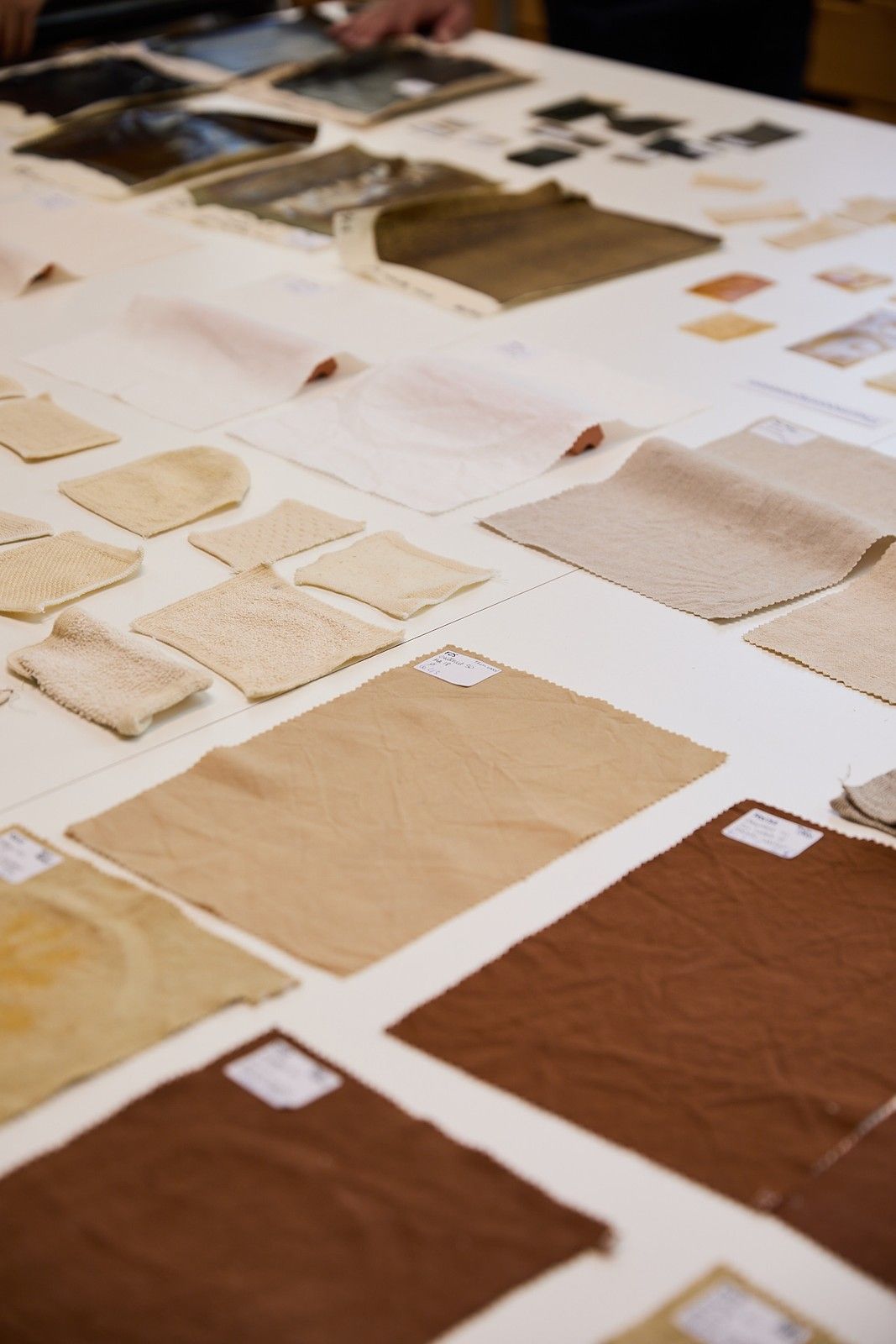
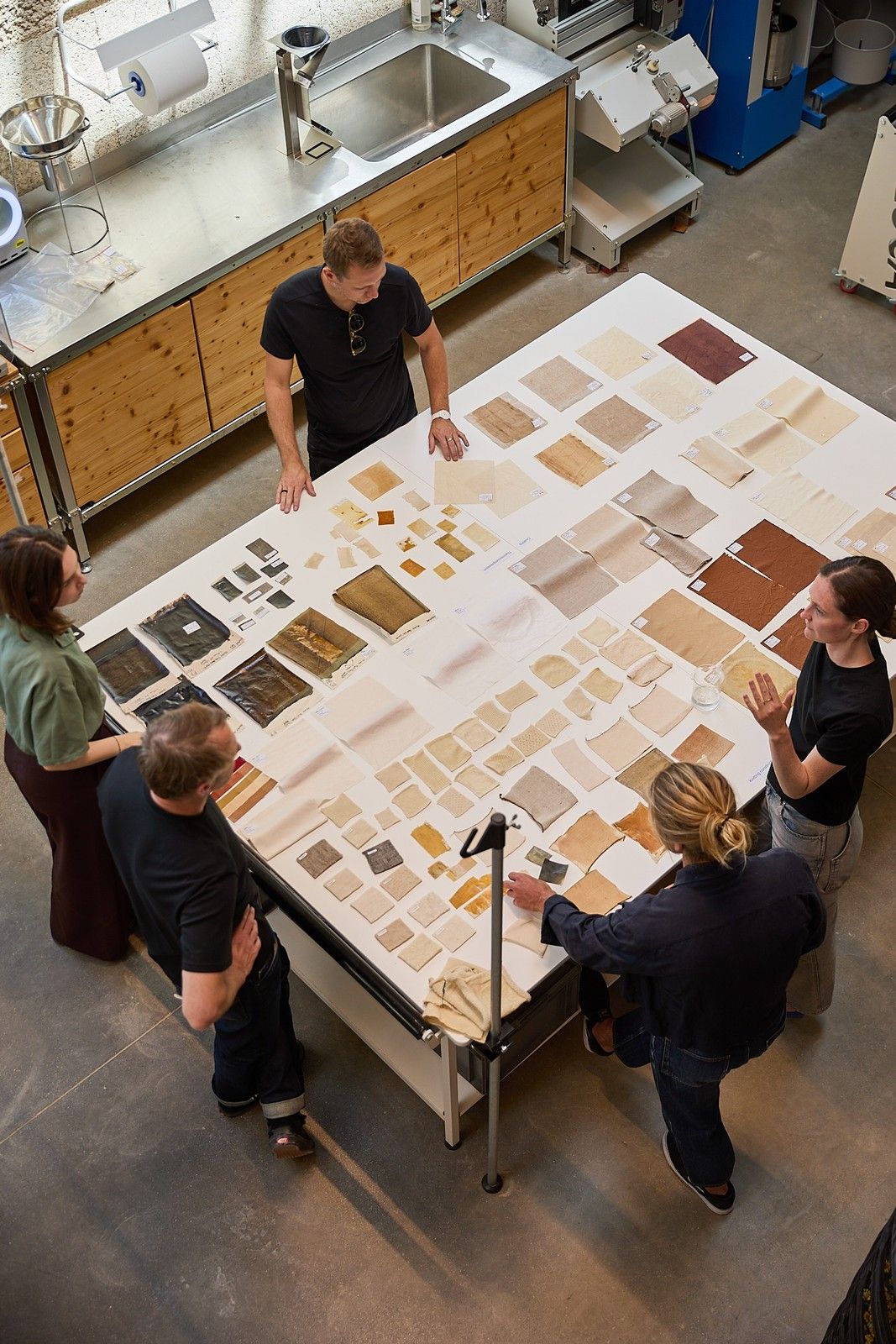
Self-Assembly Lab and Atelier LUMA are collaborating on next-generation, all-natural technical textiles. The project combines the Self-Assembly Lab's expertise in material programming and knit construction with Atelier LUMA's work in bioregional and regenerative materials. Across various bioregions, natural materials in combination with advanced textile construction methods can deliver highly desired performance qualities without relying on synthetic materials. The partnership aims to rethink what high performance truly means through an ecological lens.
- Project Leads
Skyler Tibbets, MIT
Agnes Parker, MIT
Sasha McKinlay, MIT
Pauline Plouviez, LUMA
Mathilde Laroche, LUMA
Axelle Gisserot, LUMA- Research Team
MIT:
Melanie Mitchell
Clara Emmerling
Jared Laucks
Skylar TibbitsLUMA
Christophe Guberan
Christophe Danzin- Research Areas
Textiles
Natural Materials
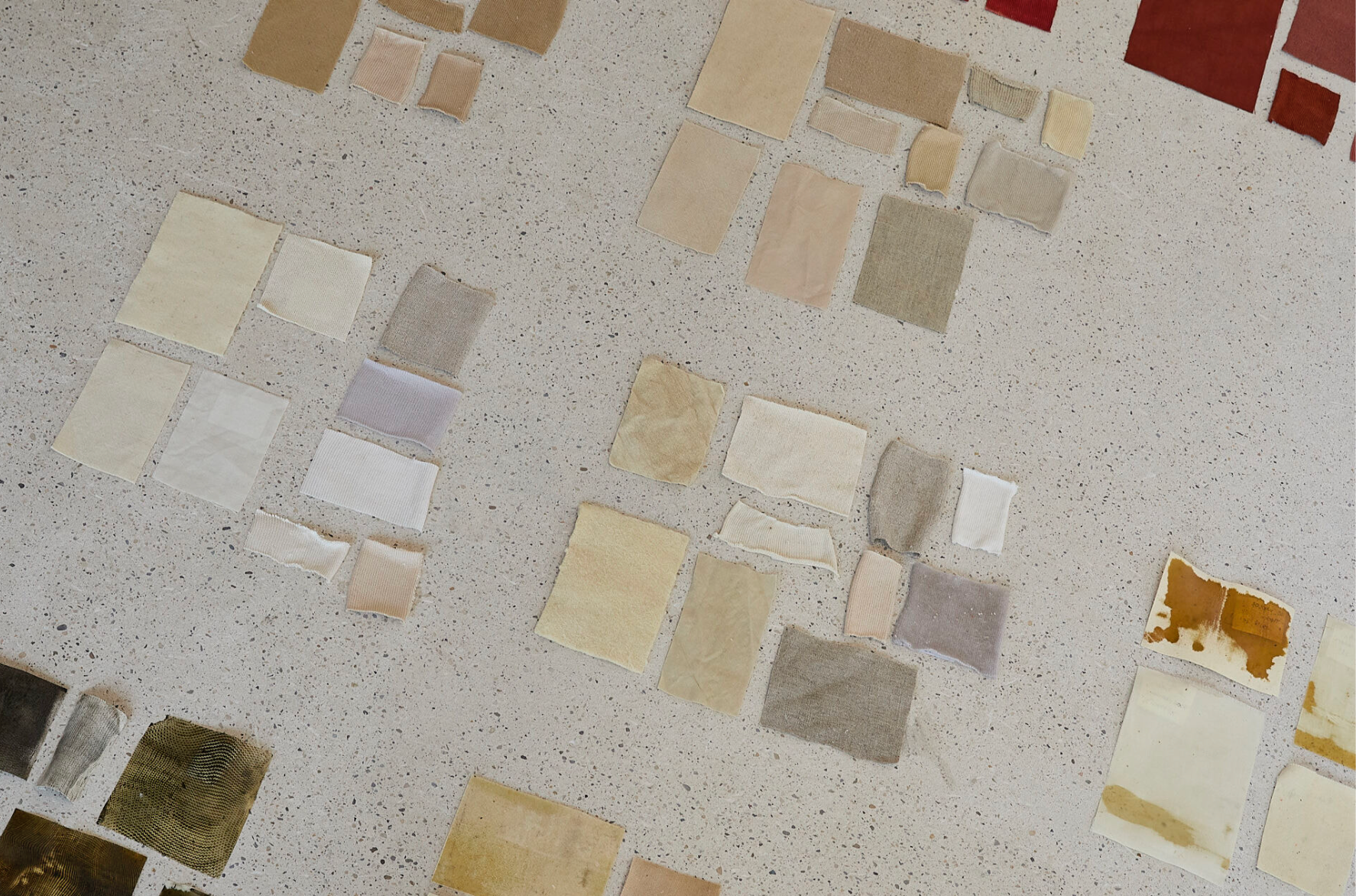
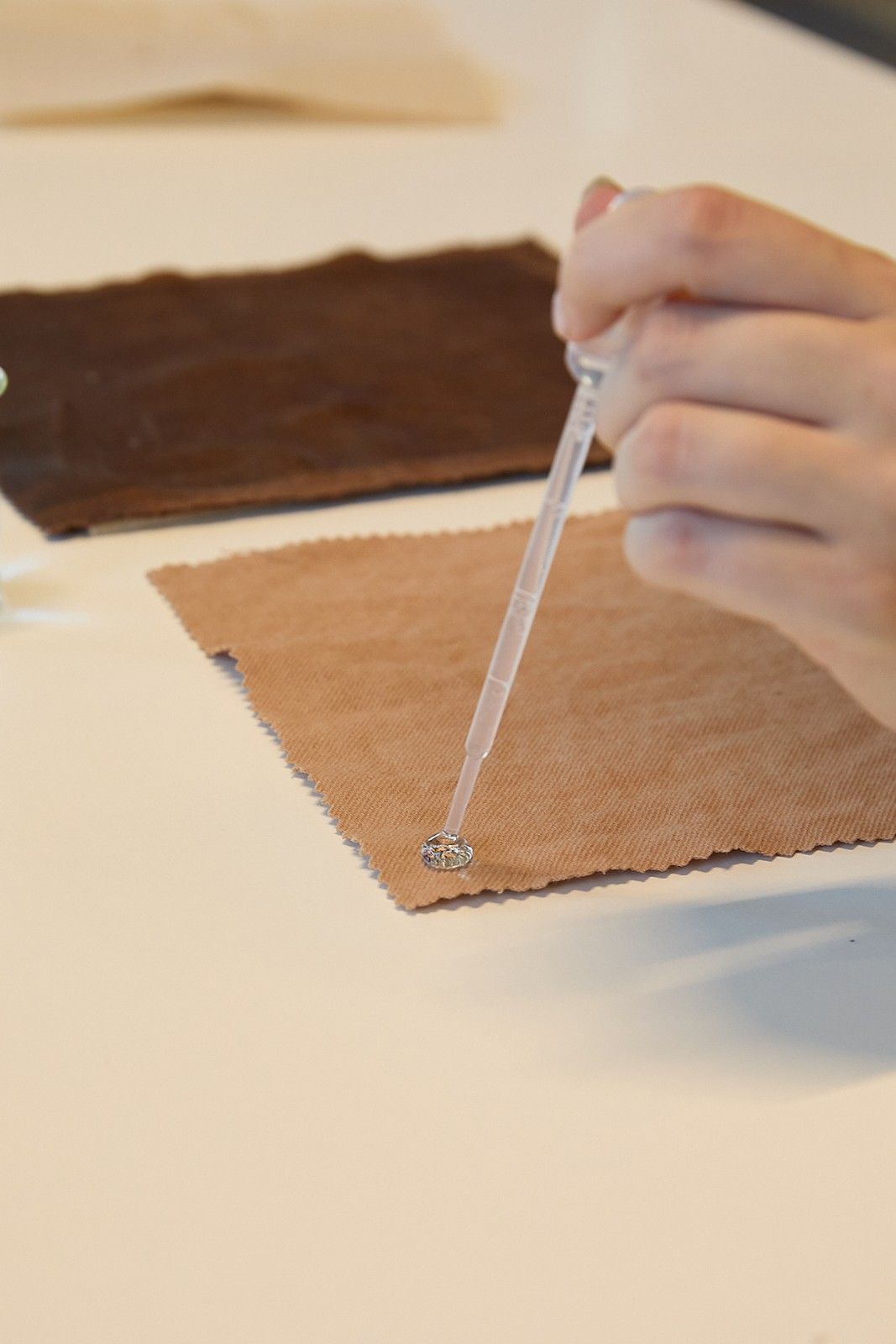
Self-Assembly Lab and Atelier LUMA are collaborating on the research and development of next-generation, all-natural technical textiles. The initiative combines the Self-Assembly Lab's expertise in material programming and textile construction with Atelier LUMA's work in bioregional and regenerative materials, revalorizing and adapting local tools, processes, and bio-resources along the way.The partnership explores how natural materials can be sourced, tuned, programmed, and assembled into responsive technical systems, drawing on the Self-Assembly Lab's knowledge of programmable materials and computational textiles alongside Atelier LUMA's bioregional methodology and research into natural fibres, agricultural by-products, and other region-specific feedstocks.
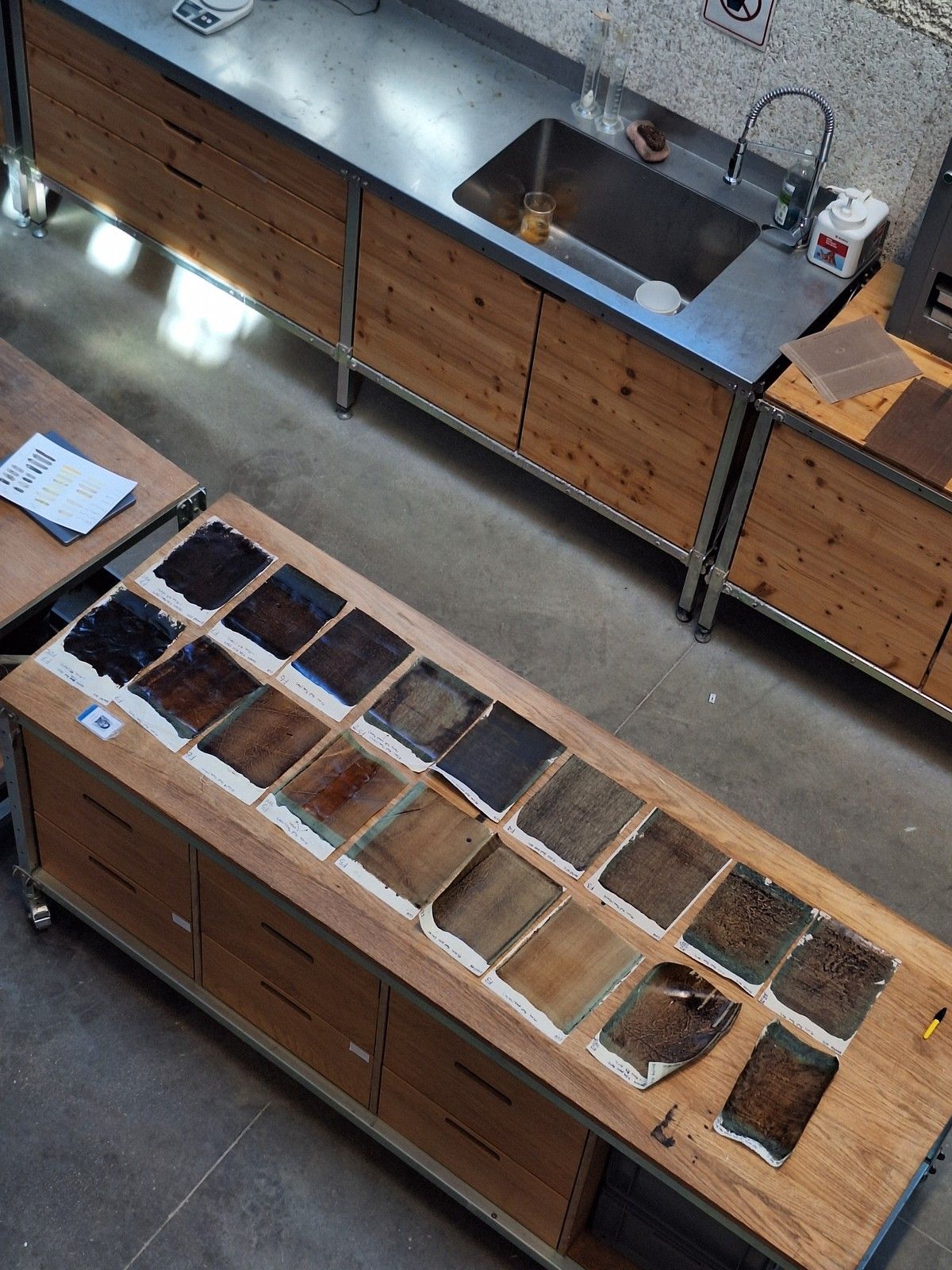
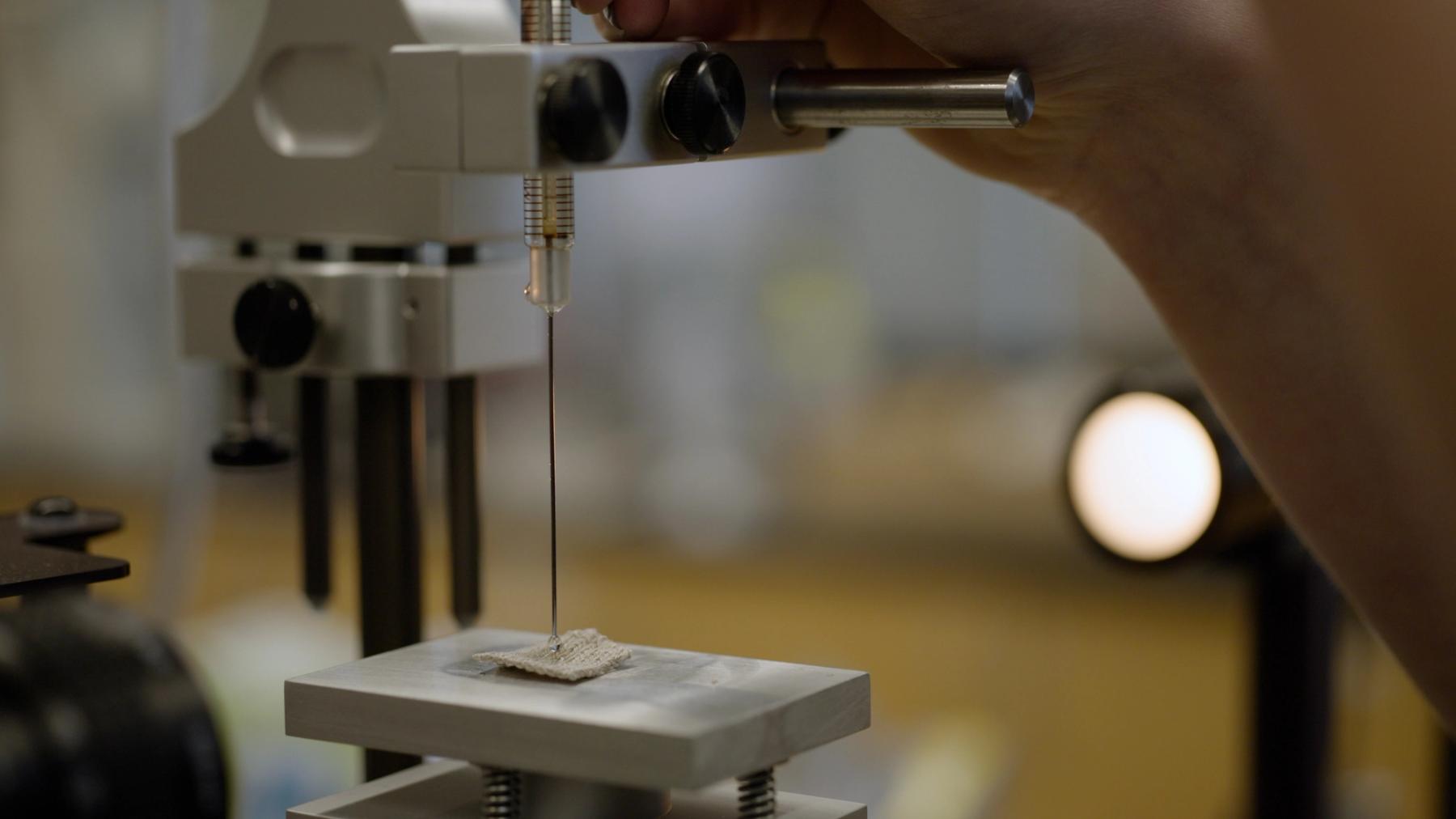
Across different bioregions, this approach pairs natural materials with advanced textile techniques to deliver qualities such as water resistance, breathability, lightness, wind resistance, and insulation, without relying on synthetics or extractive supply chains. By working directly with materials, knowledge, and craft traditions native to specific bioregions, and drawing on their inherent structural and bio-material properties, the team aims to reach performance traditionally achieved only through petrochemical or heavily processed methods.The collaboration reflects a shared belief that high performance need not depend on industrial supply chains, and is positioned to rethink what it means through an ecological lens, treating each bioregion not as a source of raw material to extract, but as a living system to learn from and work with.