Field Work: Earth Systems Studio
Field Work: Earth Systems Studio brought together students from MIT Architecture and Atelier LUMA to explore new approaches to designing and building in extreme environments and ecosystems increasingly shaped by climate change.
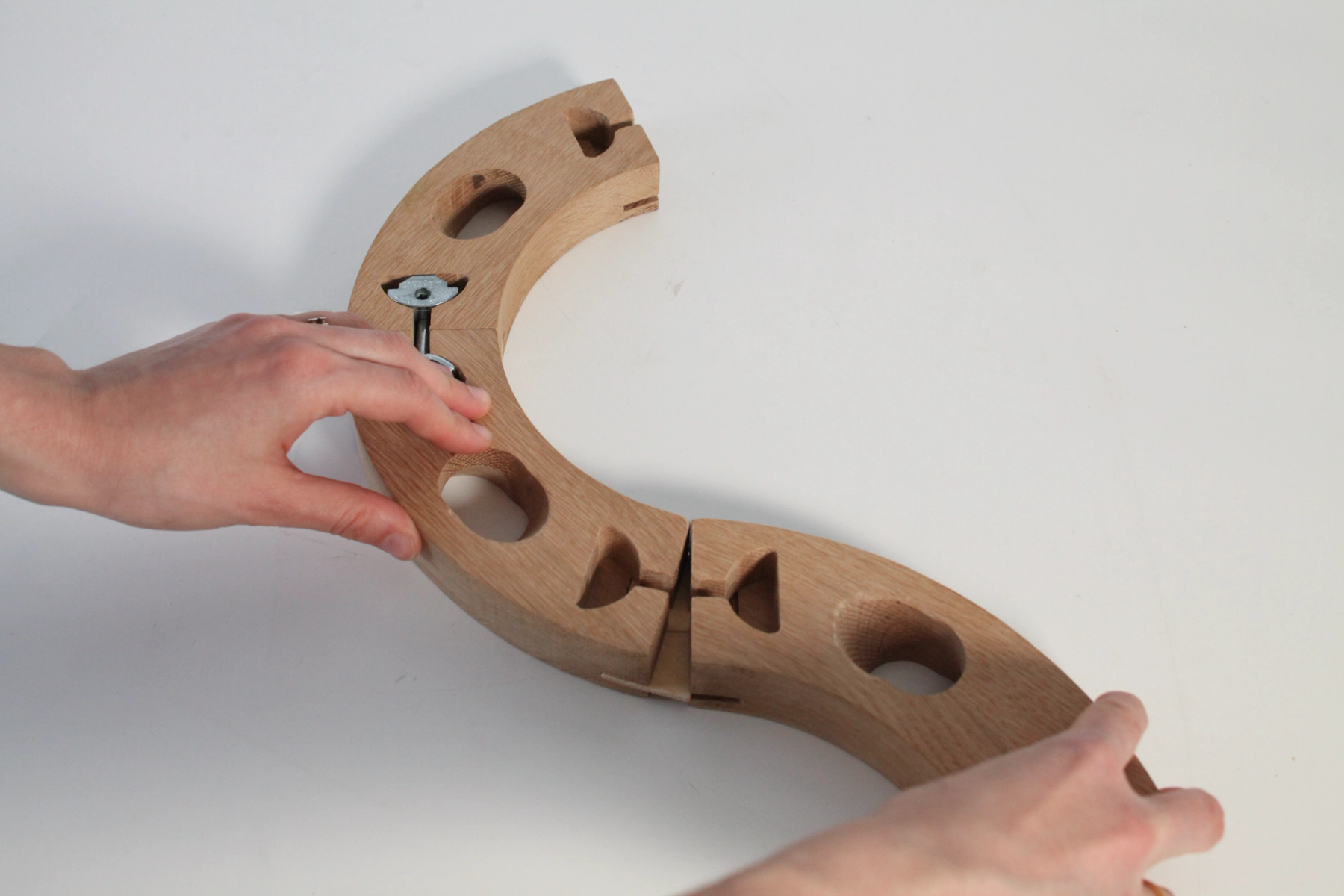
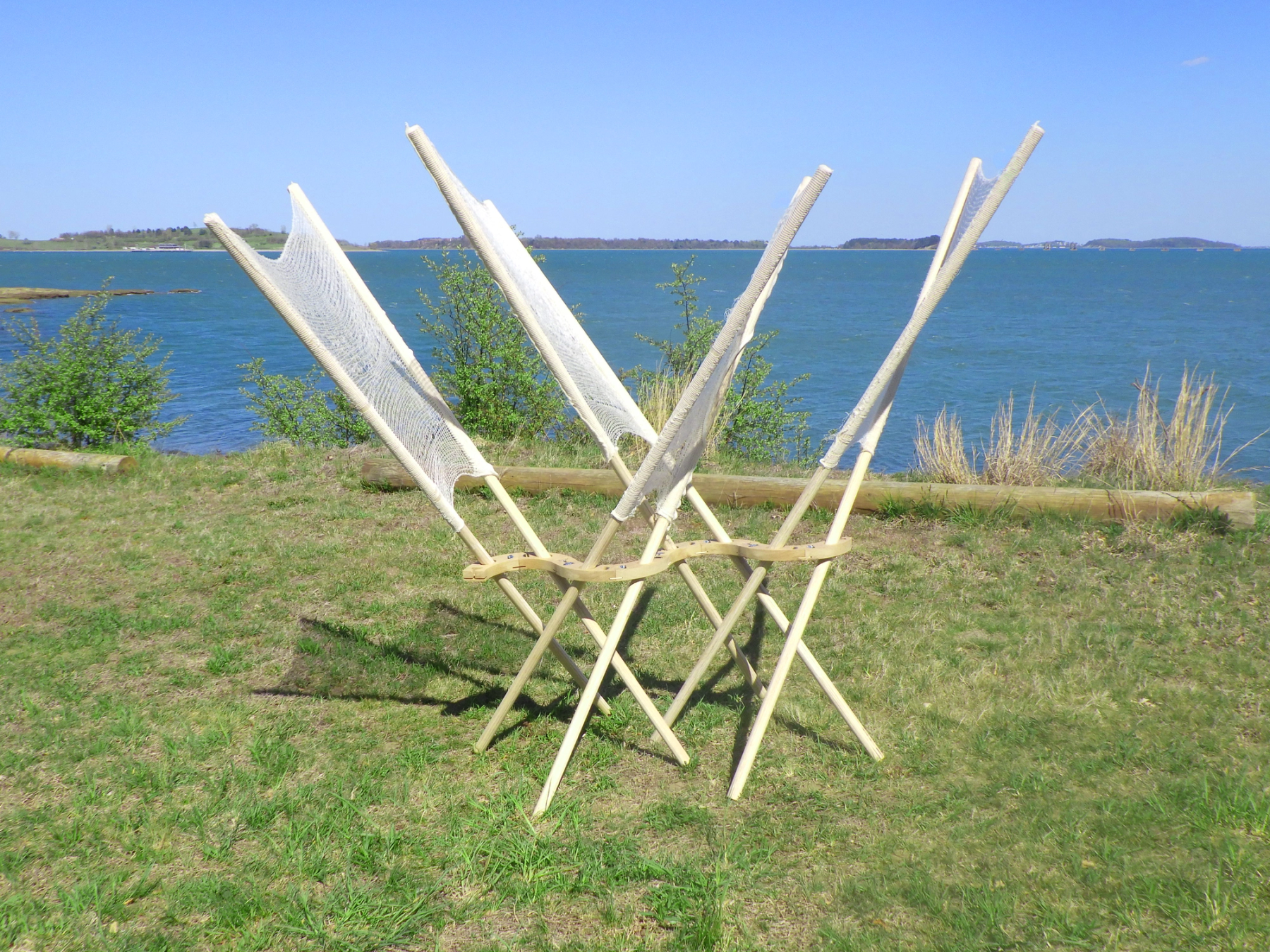
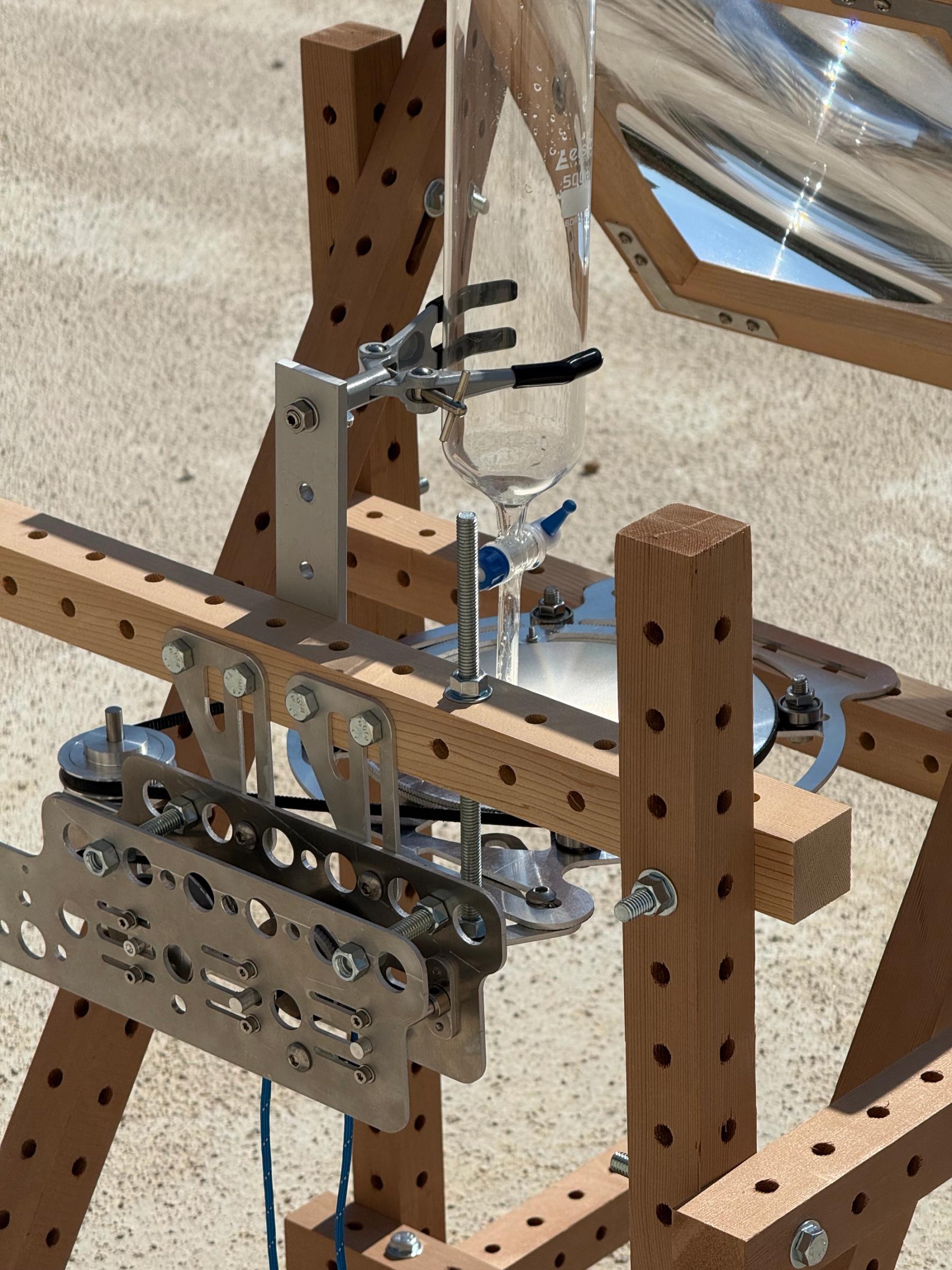
The studio centered on three principles: In-Situ Resource Utilization (ISRU), Bioregional, Natural Material Design, and Building with Nature. Working in teams, students focused on specific environmental conditions and developed structures for particular landscapes and ecosystems. Through material research, fabrication, and physical testing, they explored how locally sourced natural materials could be used to create lightweight, deployable structures capable of responding to conditions such as wind, rain, water, sun, and temperature.
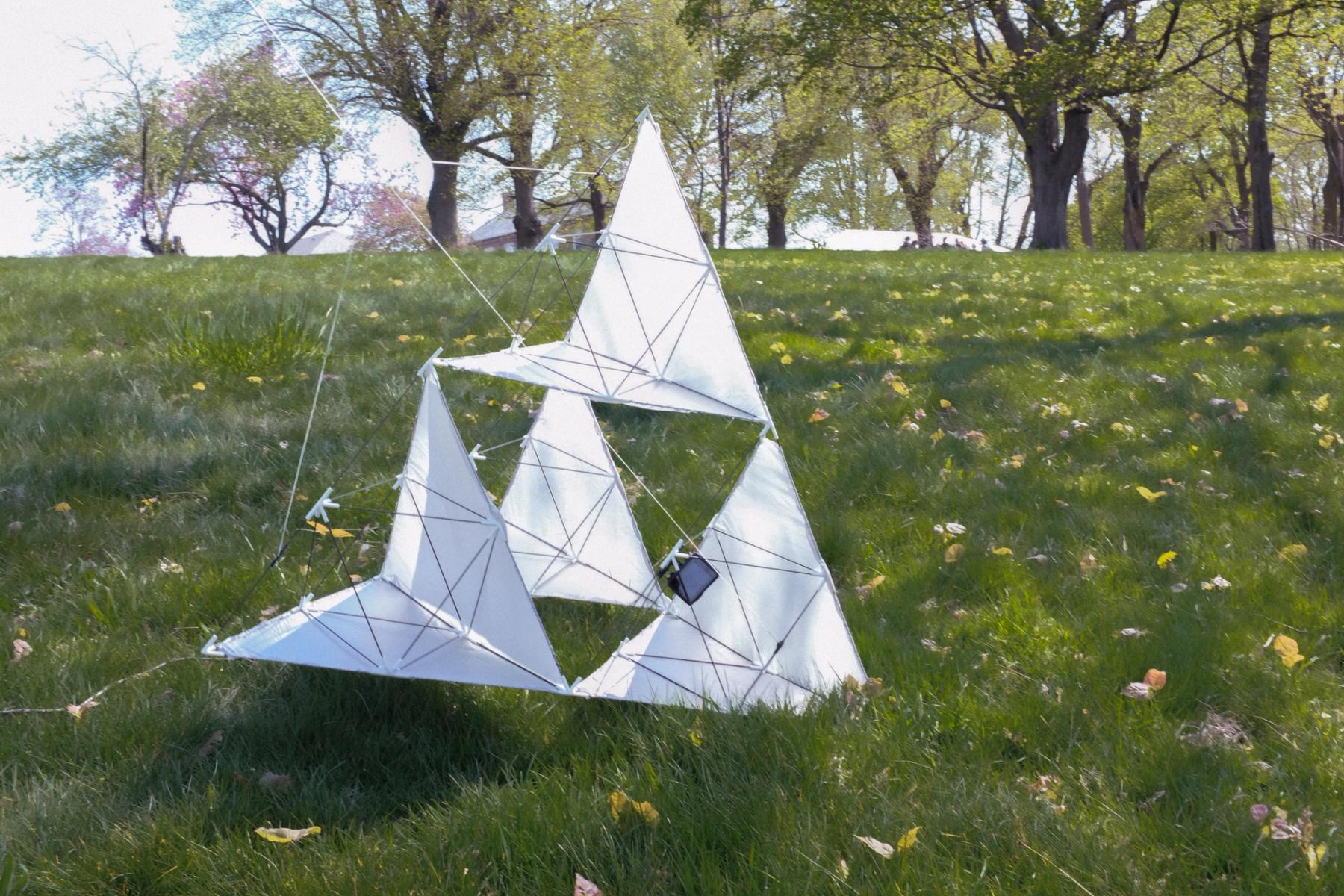
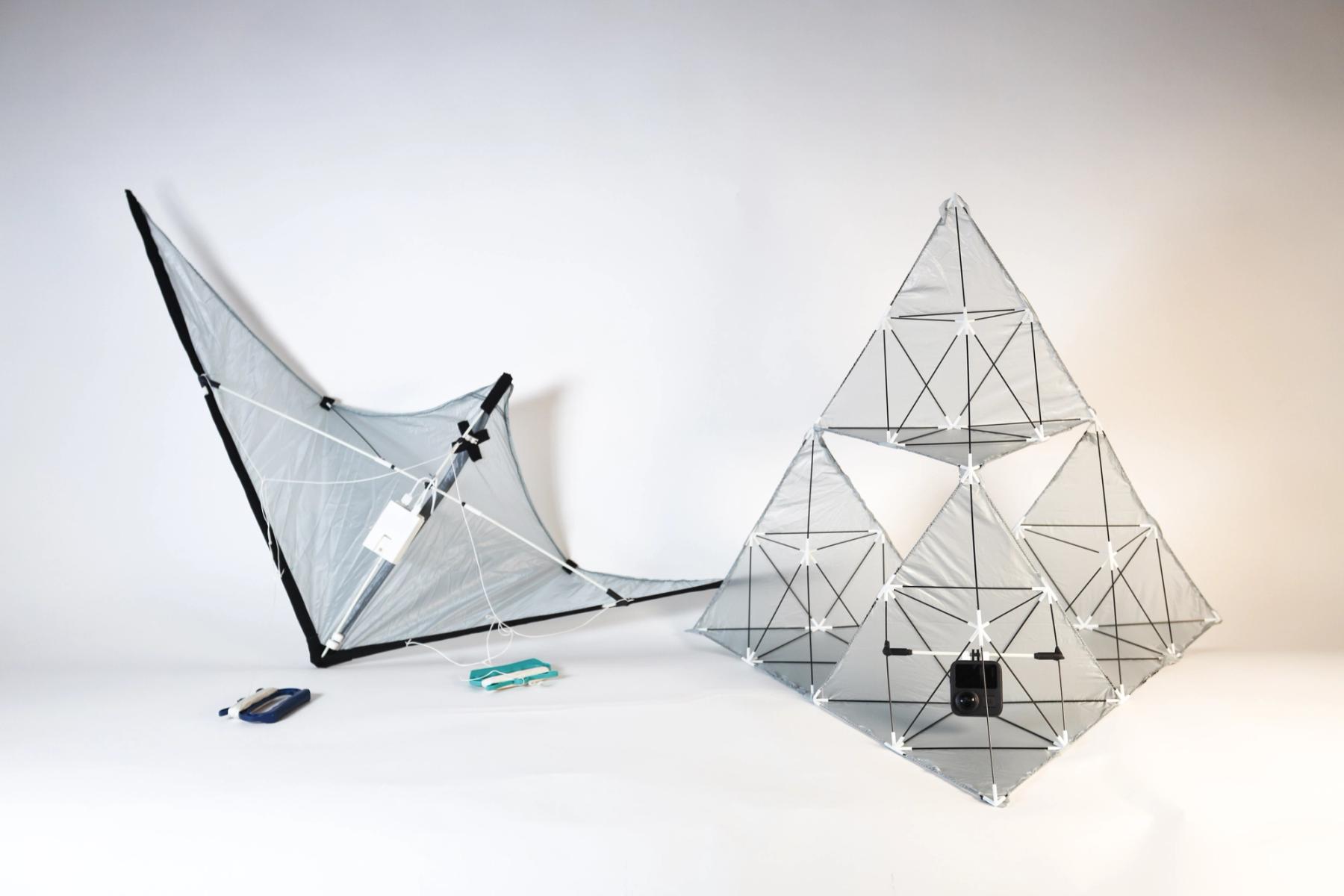
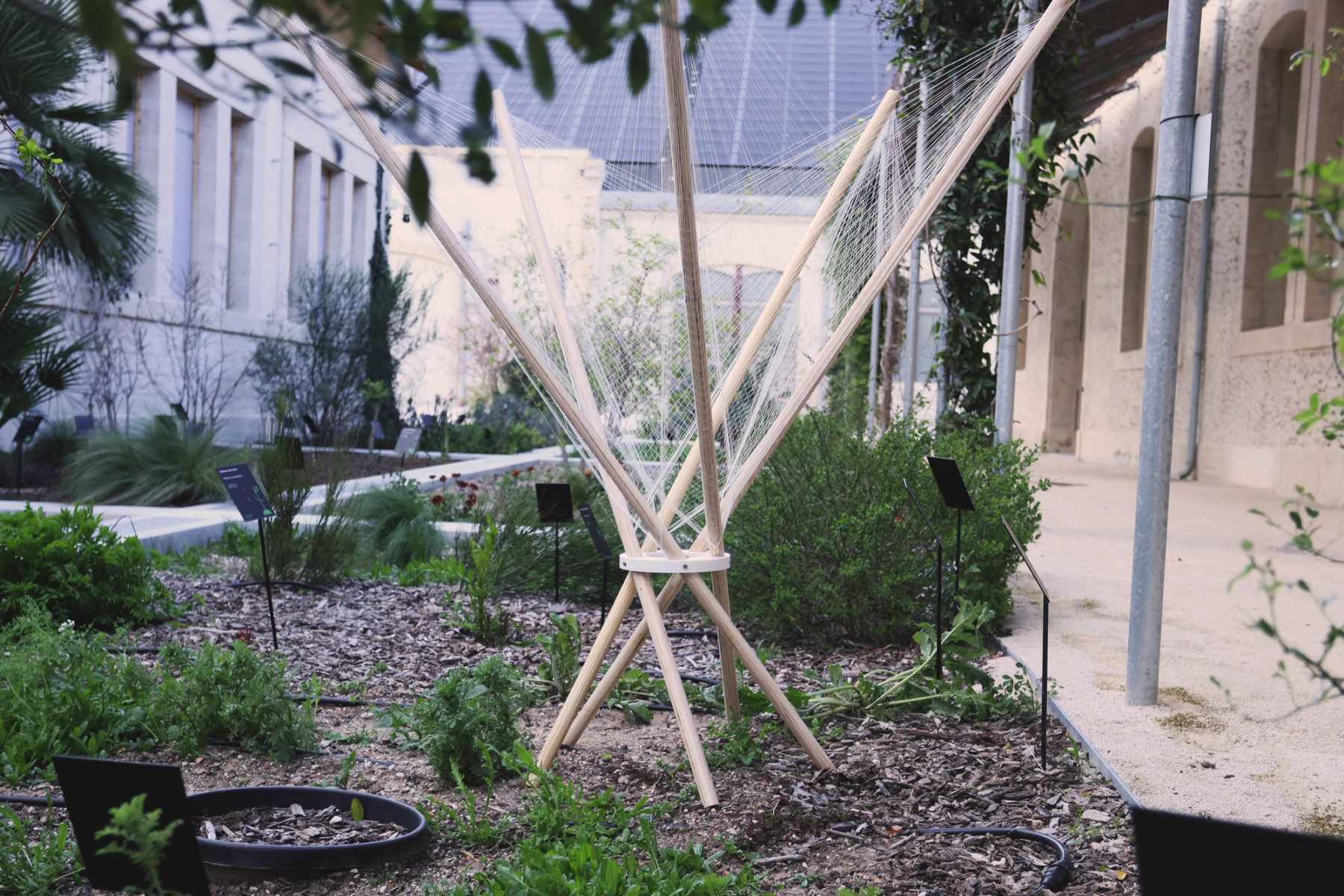
The studio developed through an iterative process of research, prototyping, testing, and field deployment. Students first developed and fabricated prototypes at MIT before traveling to Atelier LUMA in Arles, France, where the projects underwent their first full-scale deployment and field testing. Observations from this initial deployment informed a second phase of development and refinement back at MIT.
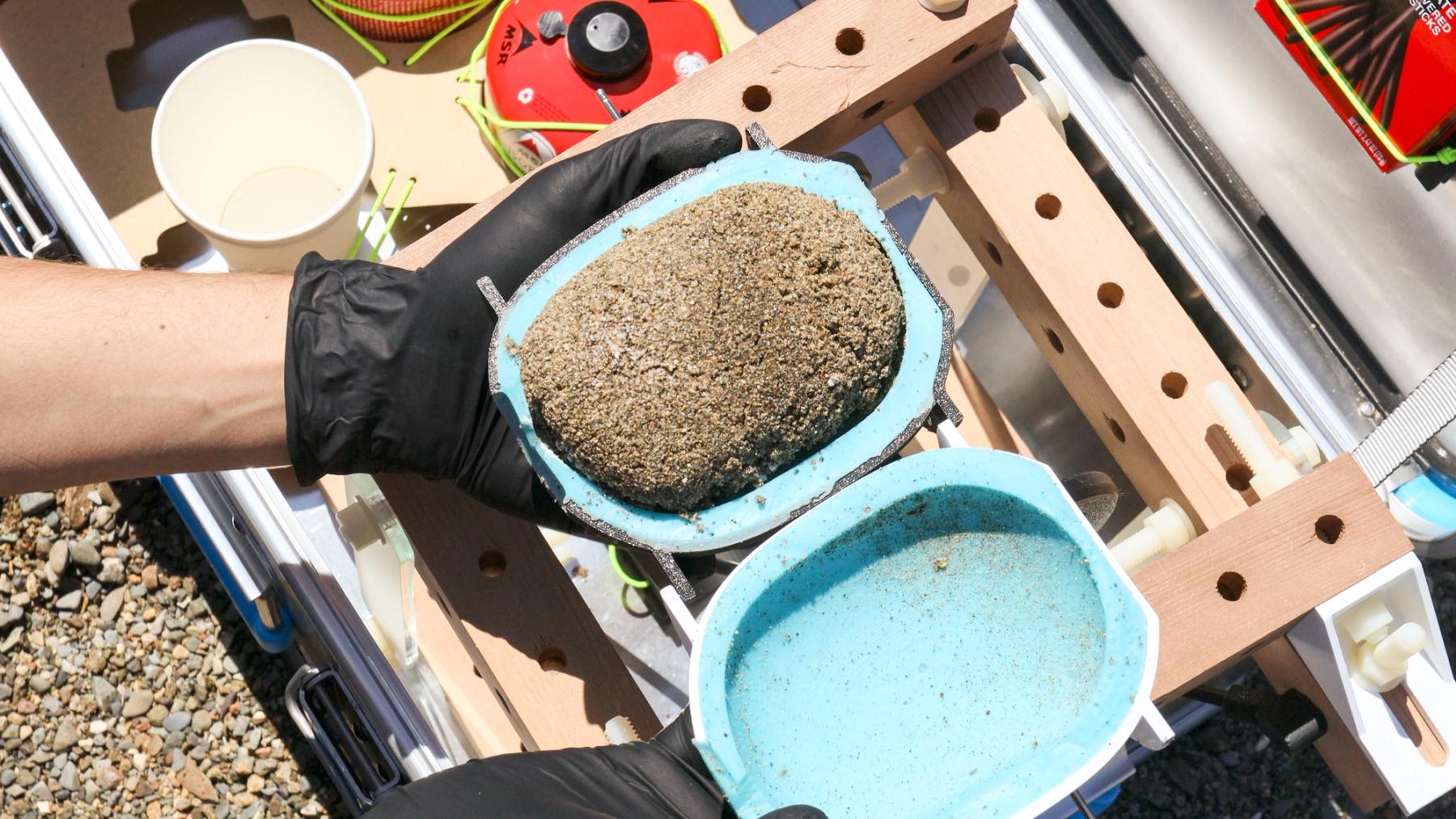
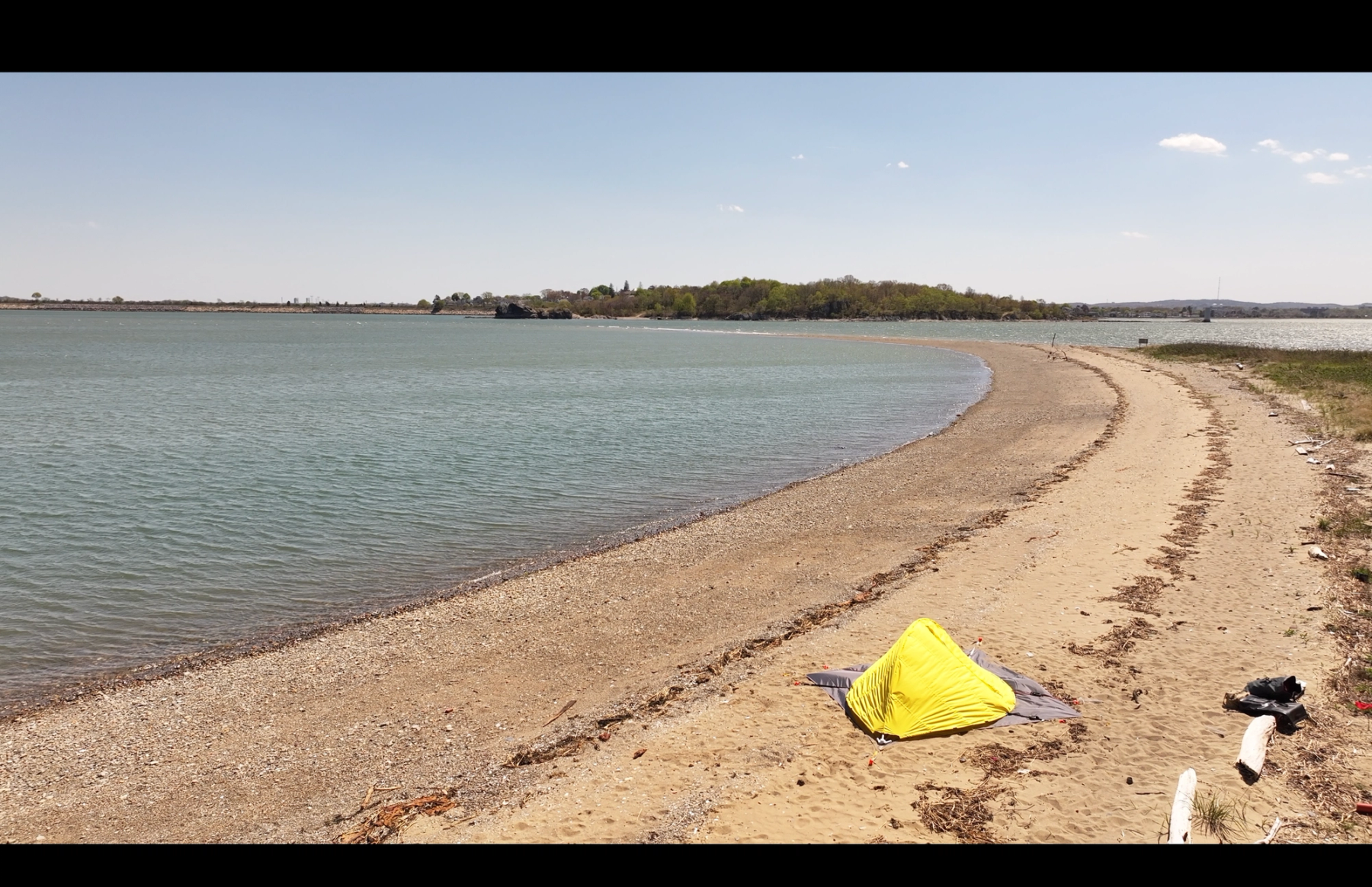
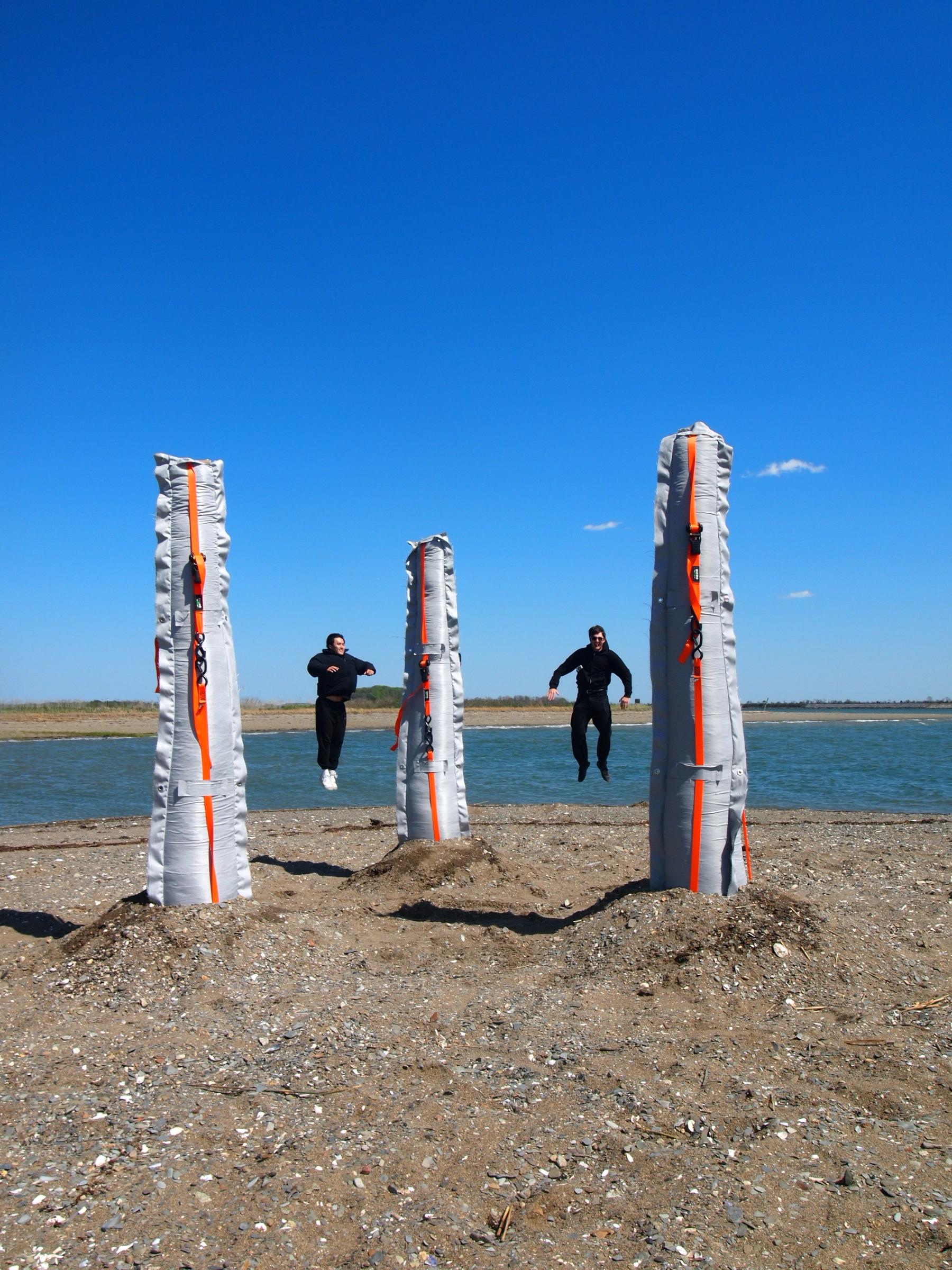
The studio culminated in a final field deployment on Cathleen Stone Island in Boston Harbor, where the structures were installed and tested. Moving between the studio, fabrication facilities, environmental testing, and two distinct field sites allowed students to evaluate their designs through direct interaction with materials, climate, and place.