Guided Growth
Hierarchical 3D knitted scaffolds for
growing deployable land stabilizing plant root structures
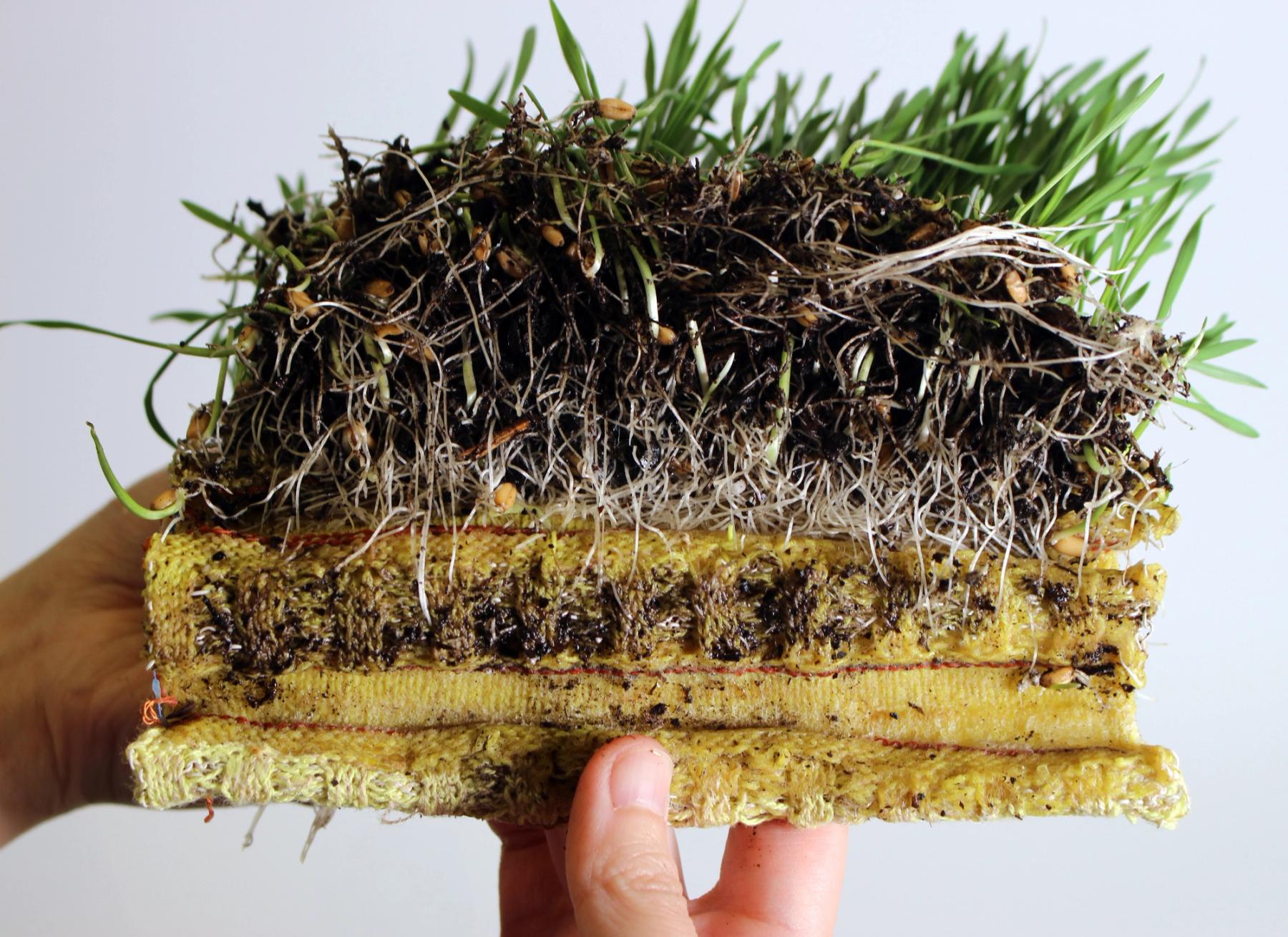
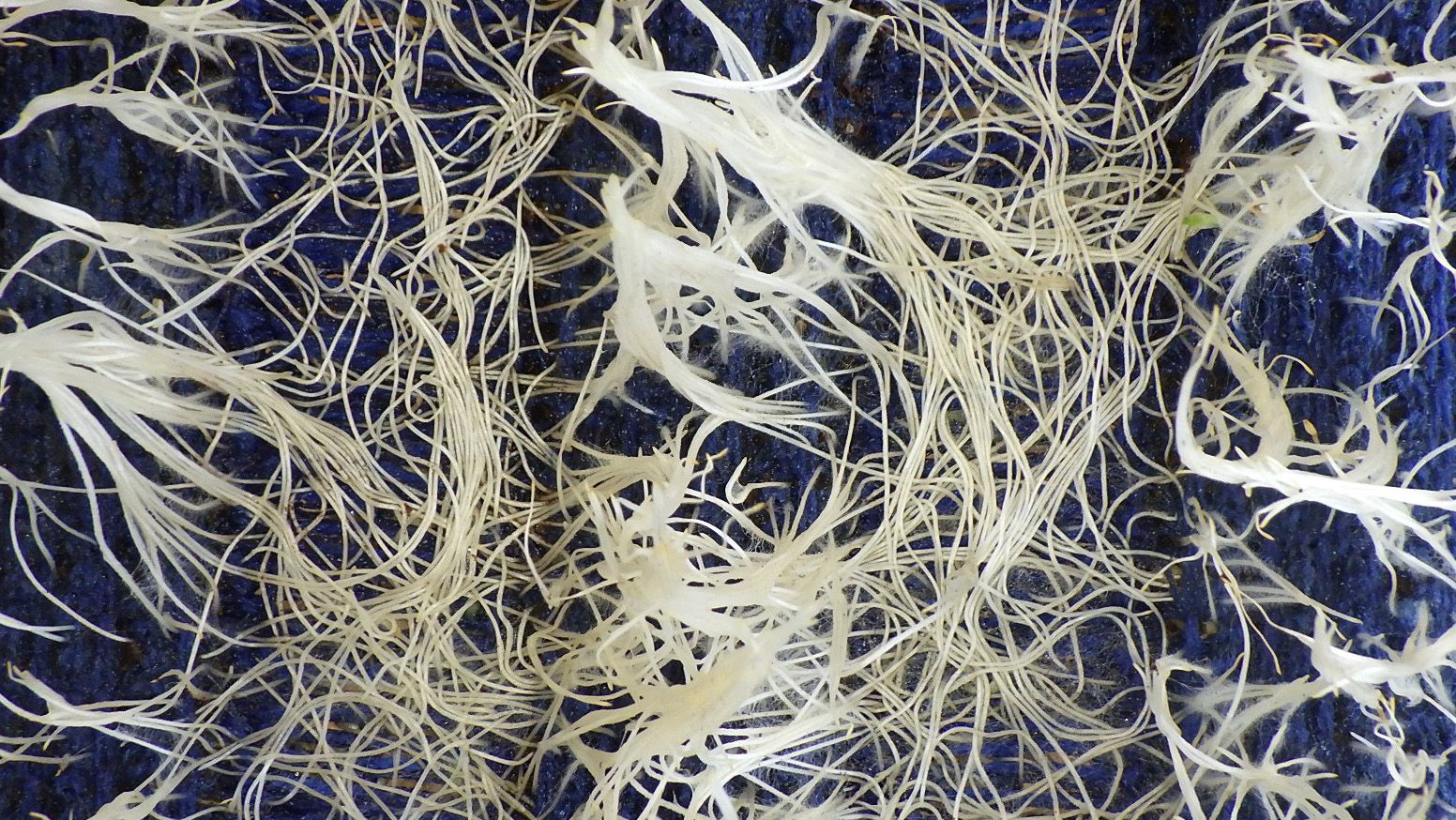
Guided Growth explores how diverse knit architectures can facilitate and guide rooted plant growth in landscapes requiring regeneration, including river banks, slopes, and deforested or degraded terrain. The project proposes functionally graded 3D knitted geotextiles as biodegradable scaffolds deployed on vulnerable sites to stabilize seedlings while influencing soil and sediment dynamics. By integrating biodegradable materials and diverse knit structures, the project creates a soft framework for plants to take root, gently stabilizing the site while supporting the long-term regeneration of the landscape.
- Project Leads
Mariana Popescu, MIT
Sara Beery, MIT- Research Team
Ilkyaz Sarimehmetoglu, MIT
Anita Lin, MIT- Research Areas
Ecosystem regeneration
Geotextiles
Knitted-textile architecture
Through biodegradable 3D-knitted geotextiles, Guided Growth explores the potential of temporary scaffolds for vulnerable terrain. Varied knit architectures are designed to support young plants, encourage root development, and influence how soil settles and gathers around them. Different structures catch, release, shelter, and guide according to the needs of the site, operating less as barriers than as soft infrastructures that work with, rather than against, environmental forces.
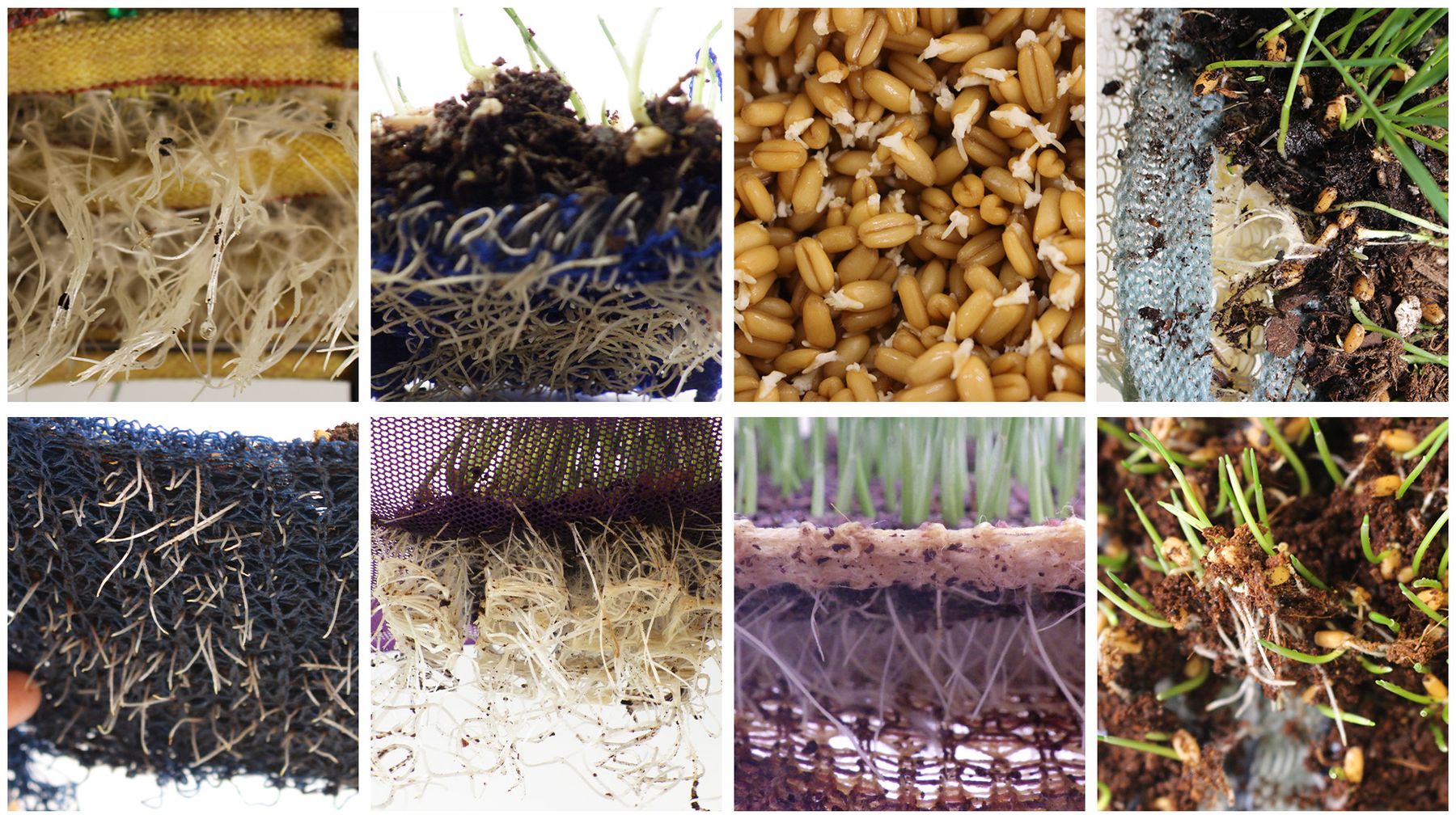
The project is currently testing a range of knit architectures and biodegradable coating strategies at the laboratory scale to better understand how textile structure, material behavior, and degradation can be tuned for future site deployment. These experiments investigate how different knit geometries interact with root growth, laying the groundwork for site-specific applications across a variety of landscapes.
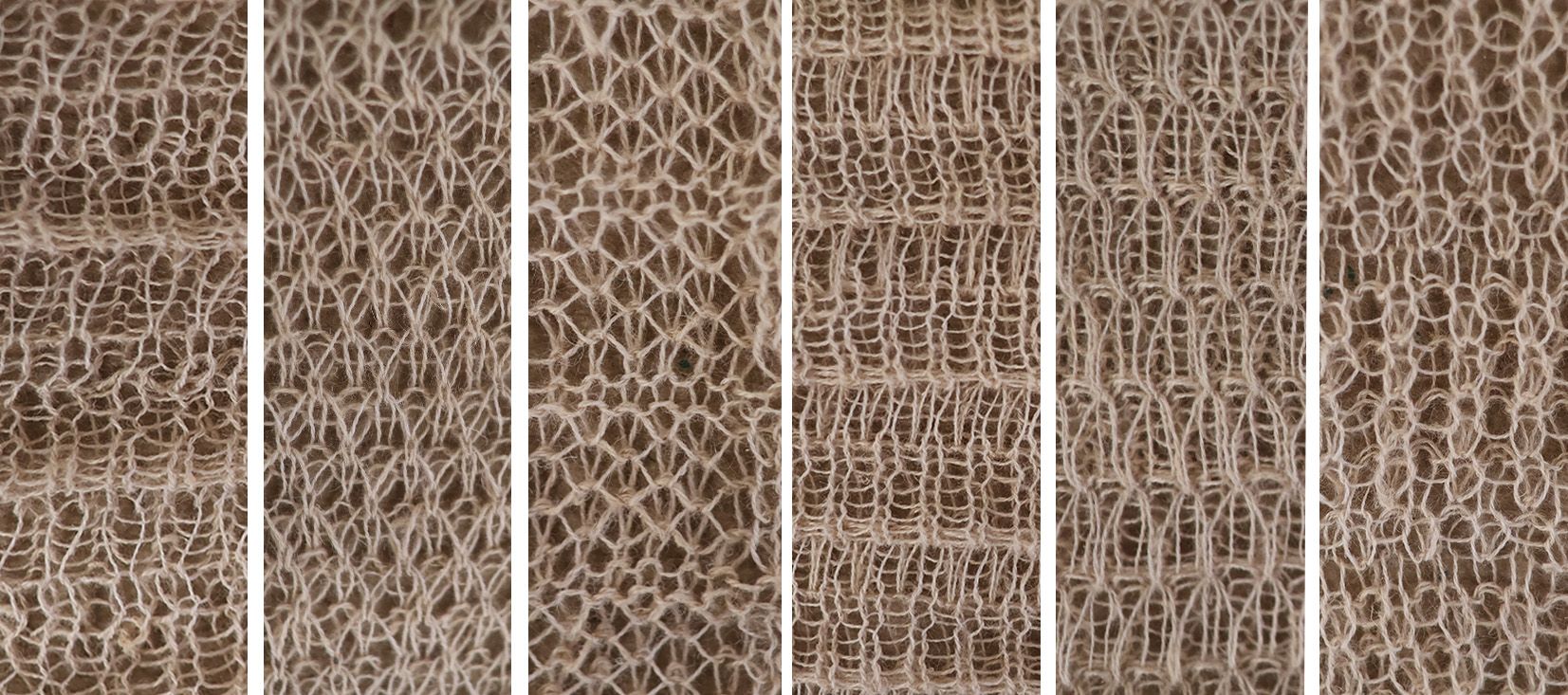
Working across scales, from material composition to stitch architecture to landscape deployment, Guided Growth approaches knitting as a method of ecological care and regeneration. The scaffold is intended to protect seedlings during the critical window of establishment before gradually biodegrading, allowing plant root networks to take over the role of stabilization. As the textile recedes, an emerging planted terrain remains. By bringing together knit architectures and ecological restoration, the project reimagines erosion control as a guided process of growth, resilience, and landscape transformation.