Living Walls
Soil & Seeds 3D Printing Masonry Units
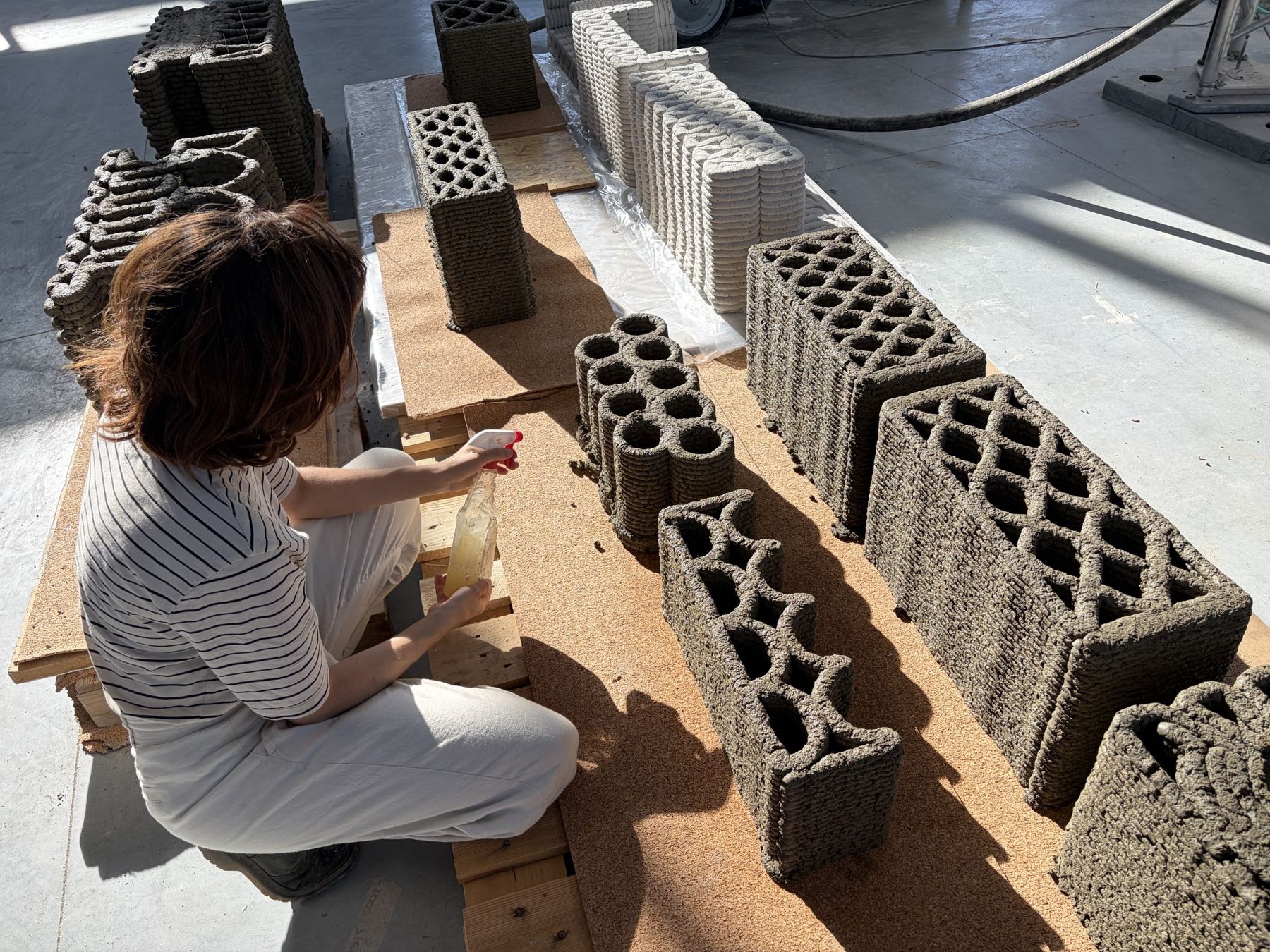
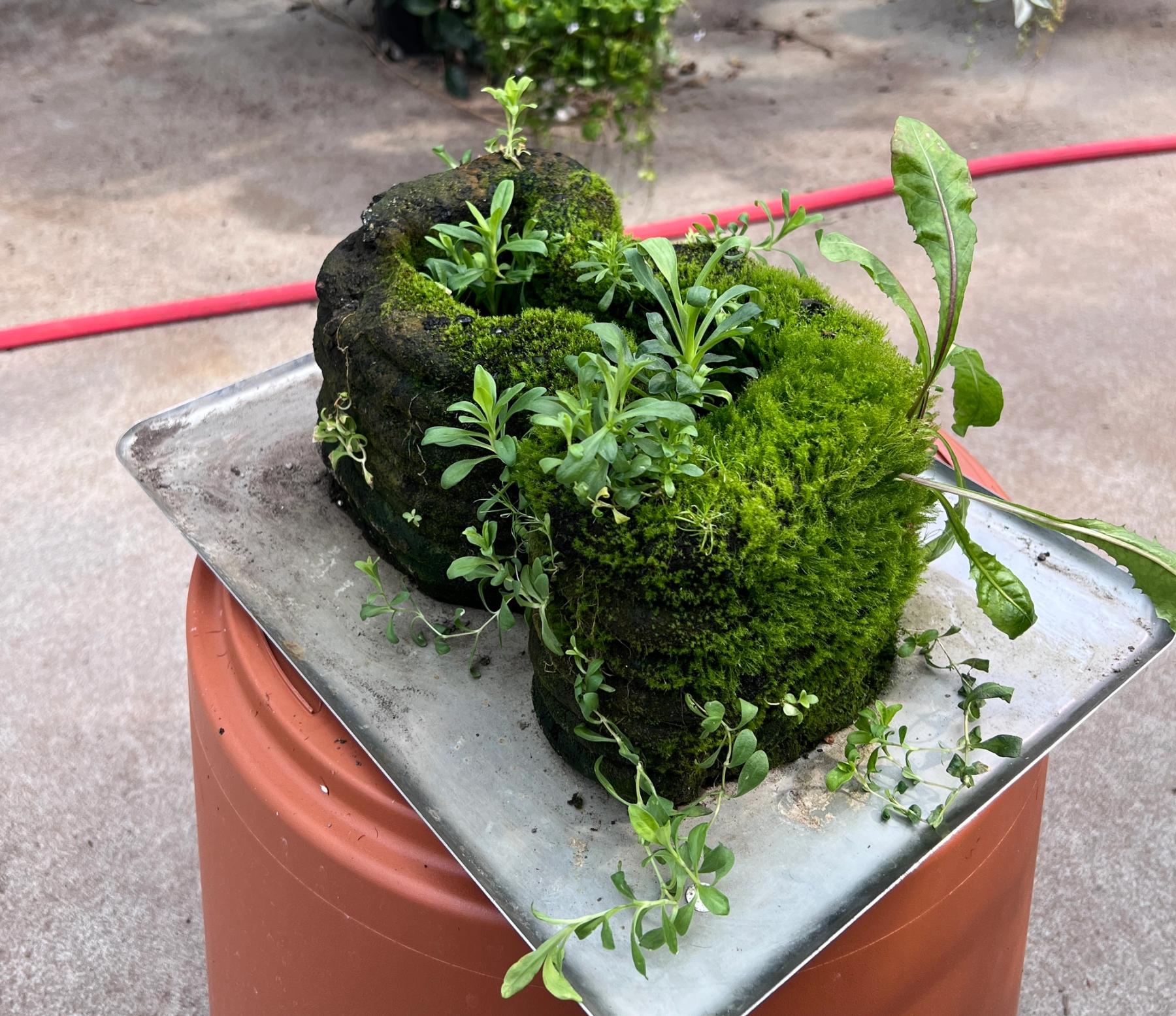
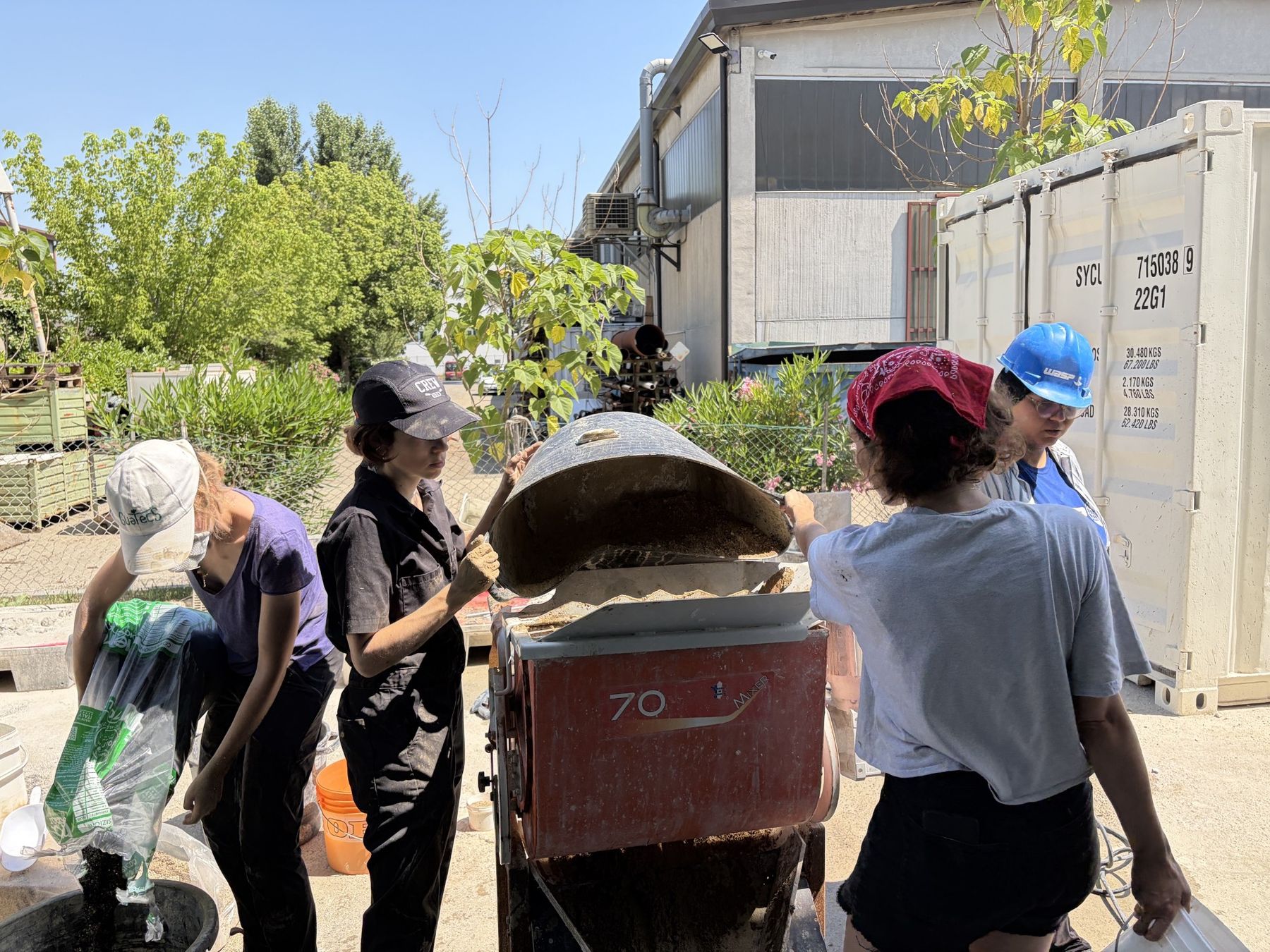
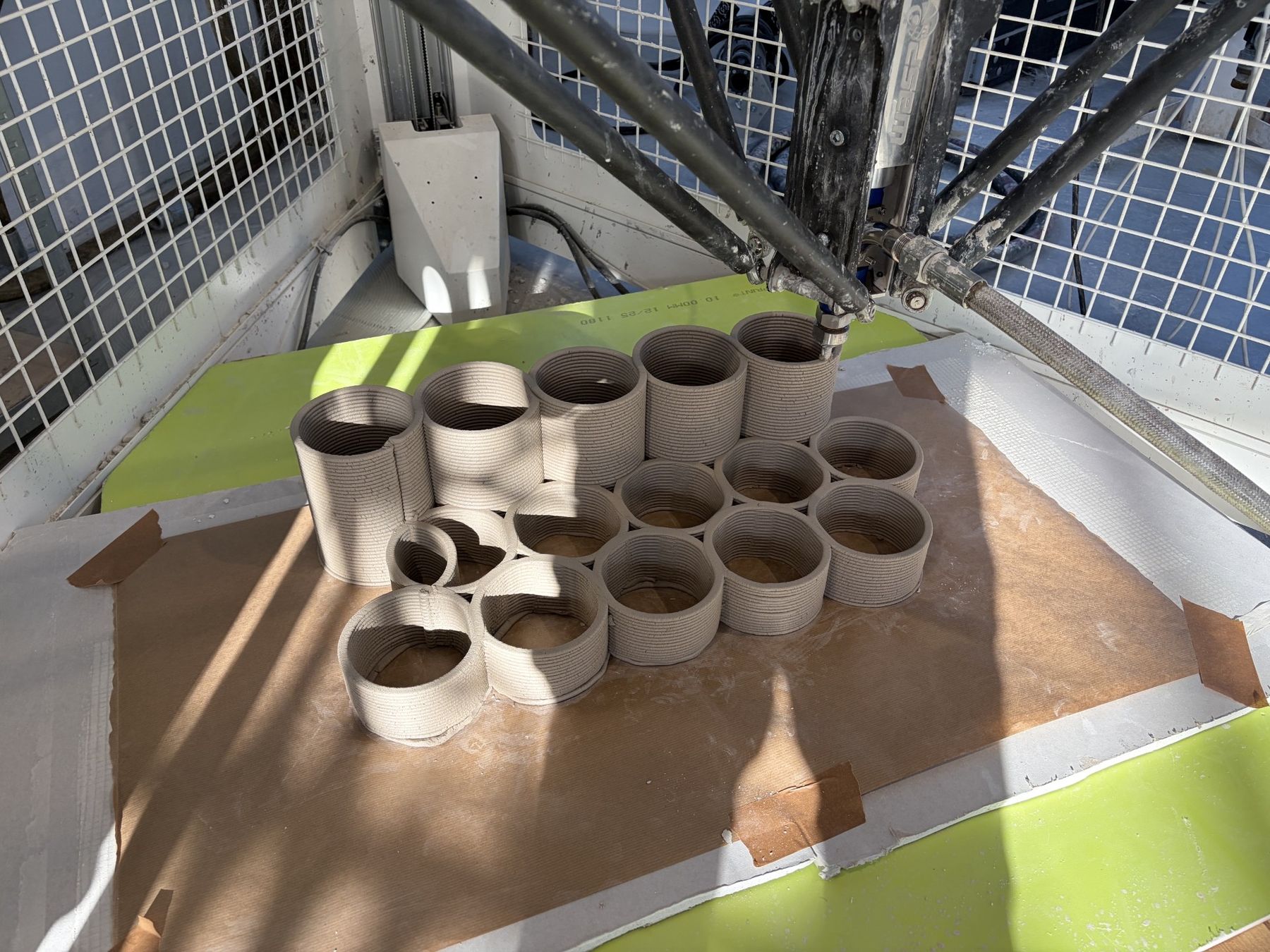
Living Walls is a collaborative research project by Nof Nathansohn and Rafi Segal, based on Nof’s ongoing research and design work on 3D soil & seed printing. The project explores the integration of living systems into architectural construction by developing a new type of dry-wet hybrid building block that combines ceramic and soil 3D printing. The ceramic component forms a durable dry building block while the soil part - made with locally sourced soil, fibers, and seeds - transforms the exterior part of the wall into a living facade of plant growth. As such biological processes are introduced as an integrated part of construction, opening new possibilities for architecture that actively contributes to our eco-systems.
- Project Leads
Rafi Segal, MIT
Nof Nathansohn, MIT- Research Team
Trang Nguyen, MIT
Anne-Claire Hostequin, LUMA
Clara Kernreuter, LUMA
Carlotta Borgato, LUMA- Research Areas
3D printing
Construction
Regenerative Design
Living Architecture
Computational design- Links
These 3D-printed dirt walls grow a garden when you water them (opens in new tab)
To Grow a Building: Soil and Seeds 3D-Printing (opens in new tab)
To Grow a Building Uses Local Soil + Roots as Building Materials (opens in new tab)
What if a wall could be made from the ground it stands on, and a building can grow with the life it carries? Living Walls uses robotic 3D printing to form structures from locally sourced soil, with seeds embedded directly into the printed material. Because the soil is drawn from the surrounding landscape, the wall is made of its own context: the same ground, the same ecology.
The printed units pair the permanent with the living: a fired ceramic block gives the wall its durability, while the raw earth it carries remains alive, ready to host germination and growth. After printing, the structure takes on a life of its own. Seeds germinate, roots spread through the printed soil, and the wall begins to change. It is not a fixed object but a living system, developing through cycles of growth, decay, and regeneration. Plant species are selected for their environmental needs, including light and moisture, mature size, seasonal rhythms, and their relationships with neighboring species. The form and performance of the wall are shaped as much by ecological process as by architectural intention.
This novel project departs from conventional green-wall systems, where vegetation is applied onto a finished structure. Here, soil, roots, and plants are the structure. But the project also asks a broader question: how do we live with the non-human? Architecture has long drawn a hard line between human made and the natural, between the constructed and the organic grown, between spaces for people and spaces for everything else. Living Wall challenges this divide. It proposes a wall that is also a habitat, inhabited by humans and non-humans at once: plants, insects, microorganisms, and the people who move alongside them. Rather than keeping ‘nature’ out, the wall absorbs and invites other species in as co-inhabitants, suggesting an architecture that integrated with ecological cycles.