MIT-LUMA Innovation Studio
by DesignX
[Why] A Catalyst for Creative Innovation and Positive Impact
The complex challenges facing people and the planet demand new approaches to innovation. Science and technology are essential, but technology alone cannot address the emotional, cultural, social, and environmental dimensions that determine whether new solutions are embraced and create meaningful impact.
Art and design bring a critical human and imaginative dimension to innovation. They allow us to question assumptions, explore multiple futures, understand stakeholder needs, and envision possibilities that do not yet exist. When combined with science, technology, and entrepreneurship, creative disciplines make innovation more interdisciplinary, experimental, and responsive to the complexity of the world around us.
The Innovation workstream sits within the ecosystem of the MIT–LUMA Lab.
- Team
Svafa Grönfeldt
[What] The Innovation workstream of the MIT–LUMA Lab focuses on translating research, creativity, and emerging ideas into solutions with real-world impact. Bringing together art, design, science, technology, and entrepreneurship, the workstream identifies innovation opportunities, develops and tests new solutions, and creates pathways for their implementation and scale. These solutions can take many forms ranging from new products, materials, and services to industry partnerships and joint ventures, as well as the creation of new startups with a particular focus on climate and the Mediterranean region.
[How] The LUMA–MITdesignX Innovation Studio
The Studio brings together art and design, science and technology, and entrepreneurship as complementary forces in the innovation process. Rather than treating research as an endpoint, it asks how new knowledge, materials, and ideas can become products, services, ventures, and systems that generate positive environmental and social impact.
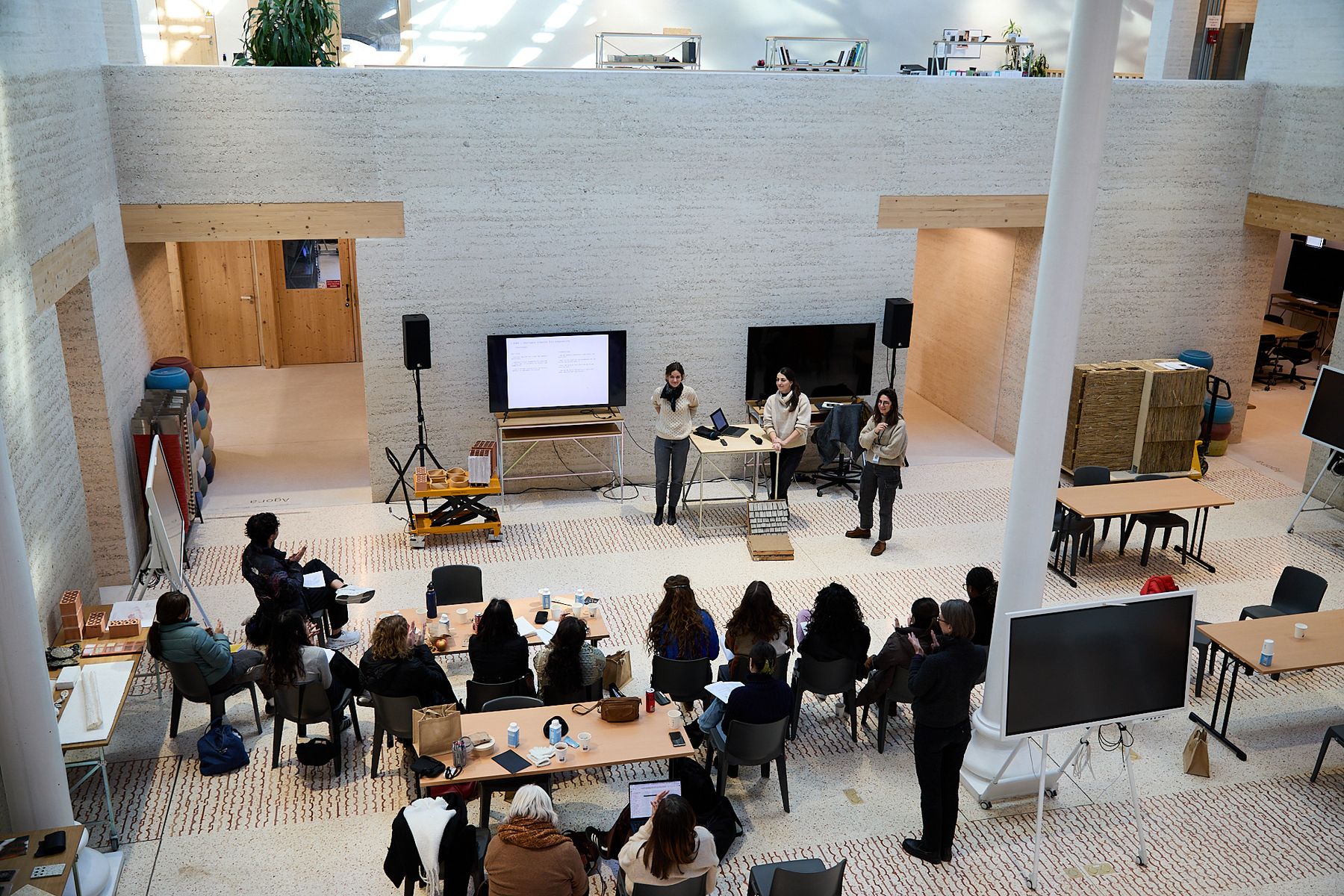
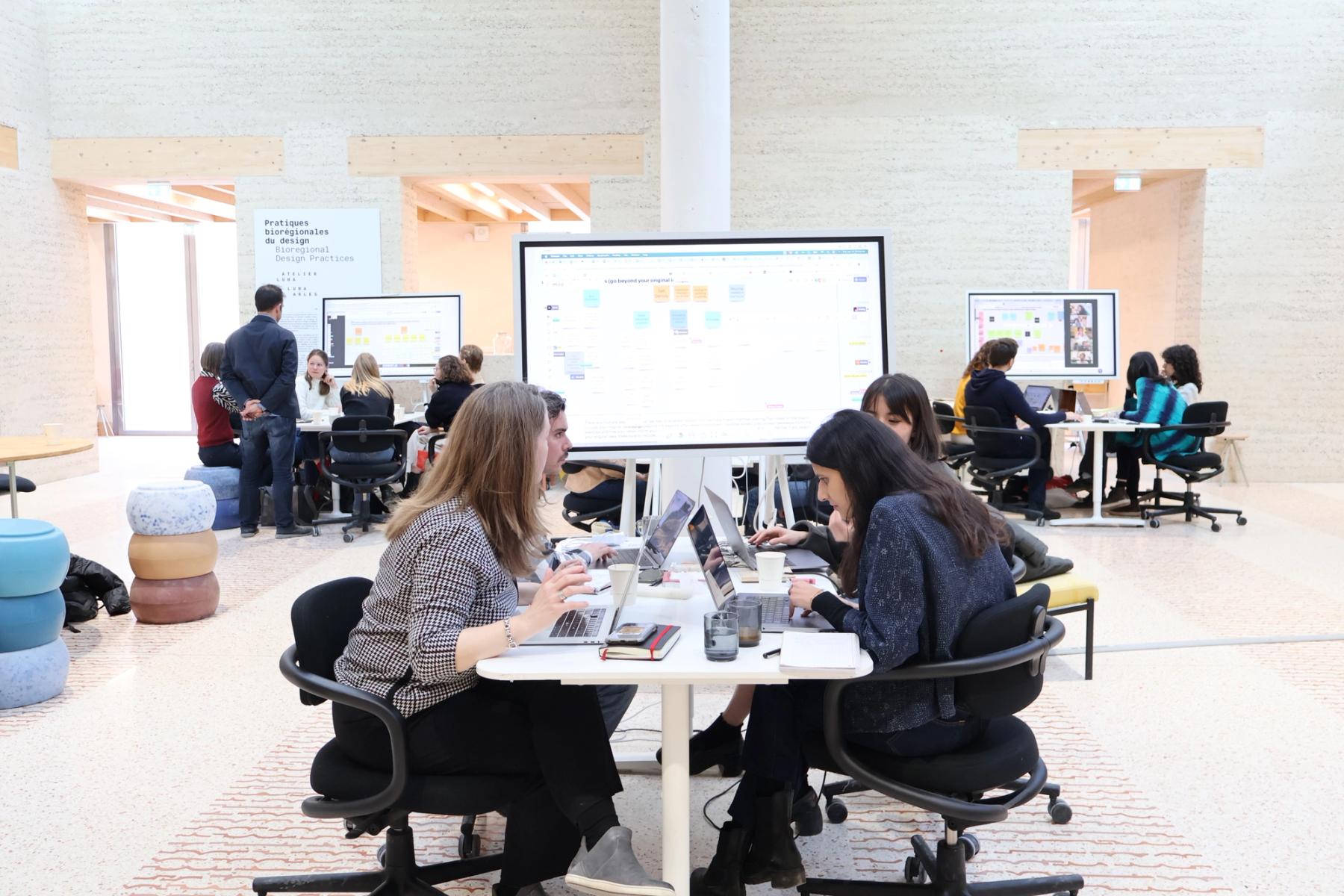
Held annually in January at Atelier LUMA in Arles, the Innovation Studio brings together MIT students, MIT researchers, LUMA designers for an intensive, interdisciplinary design innovation experience.
Atelier LUMA provides a particularly powerful context for this work. Its research brings together designers, engineers, scientists, and other experts to investigate the potential of natural materials, industrial waste, and the resources of the Mediterranean bioregion.
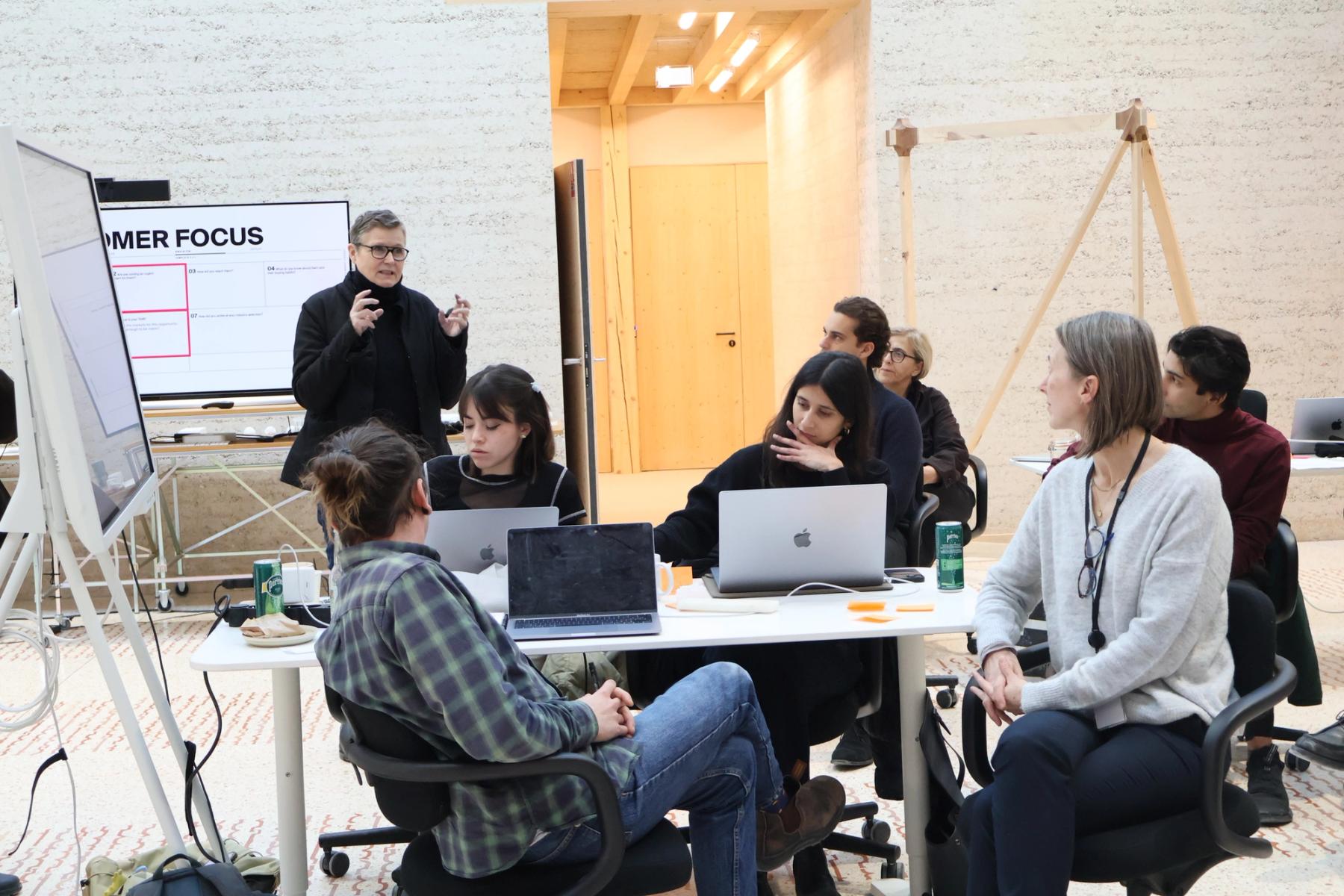
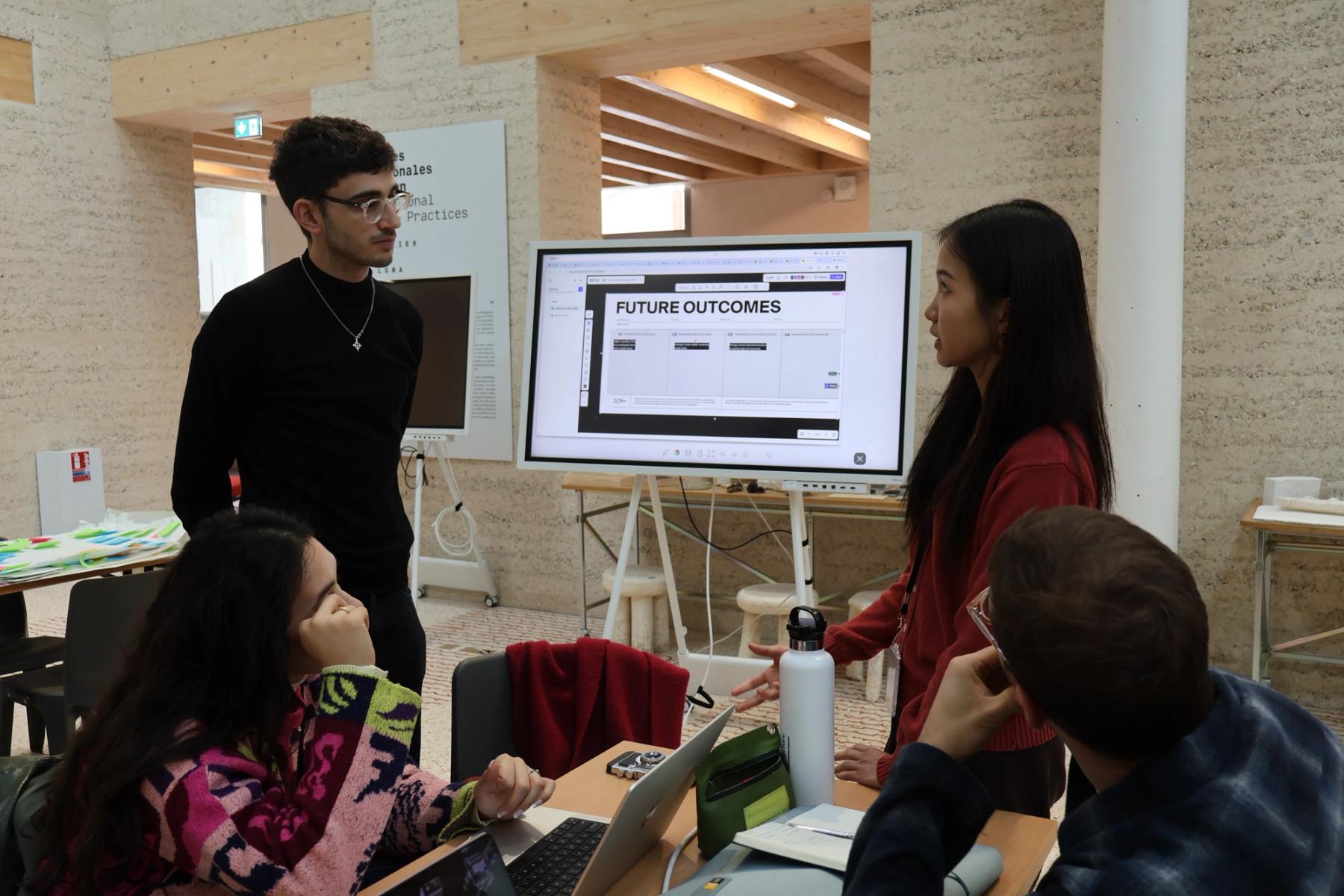
During the Innovation Studio, participants work collaboratively to explore how research and experimentation can move toward real-world application and impact. Using the MITdesignX approach to design innovation, teams investigate potential users and stakeholders, identify opportunities, explore applications, prototype solutions, and consider pathways for implementation and scale.
What Makes the Innovation Studio Unique
1. Art + Design as catalysts for innovation
The Studio places creative disciplines at the center of innovation. Art and design provide tools for questioning assumptions, imagining alternative futures, understanding human experience, and exploring possibilities that may not emerge through traditional technology-driven approaches alone.
2. Arles as a place for imagination and experimentation
LUMA Arles provides an extraordinary environment where art, culture, research, nature, and experimentation intersect. The Mediterranean context becomes part of the innovation process, connecting global challenges with the specific resources, knowledge, communities, and ecosystems of the region.
3. From research to activation and impact
The Studio creates a bridge between research and implementation. Participants explore the desirability, feasibility, viability, and potential impact of emerging ideas while developing and testing pathways toward adoption and scale.
4. Transdisciplinary collaboration
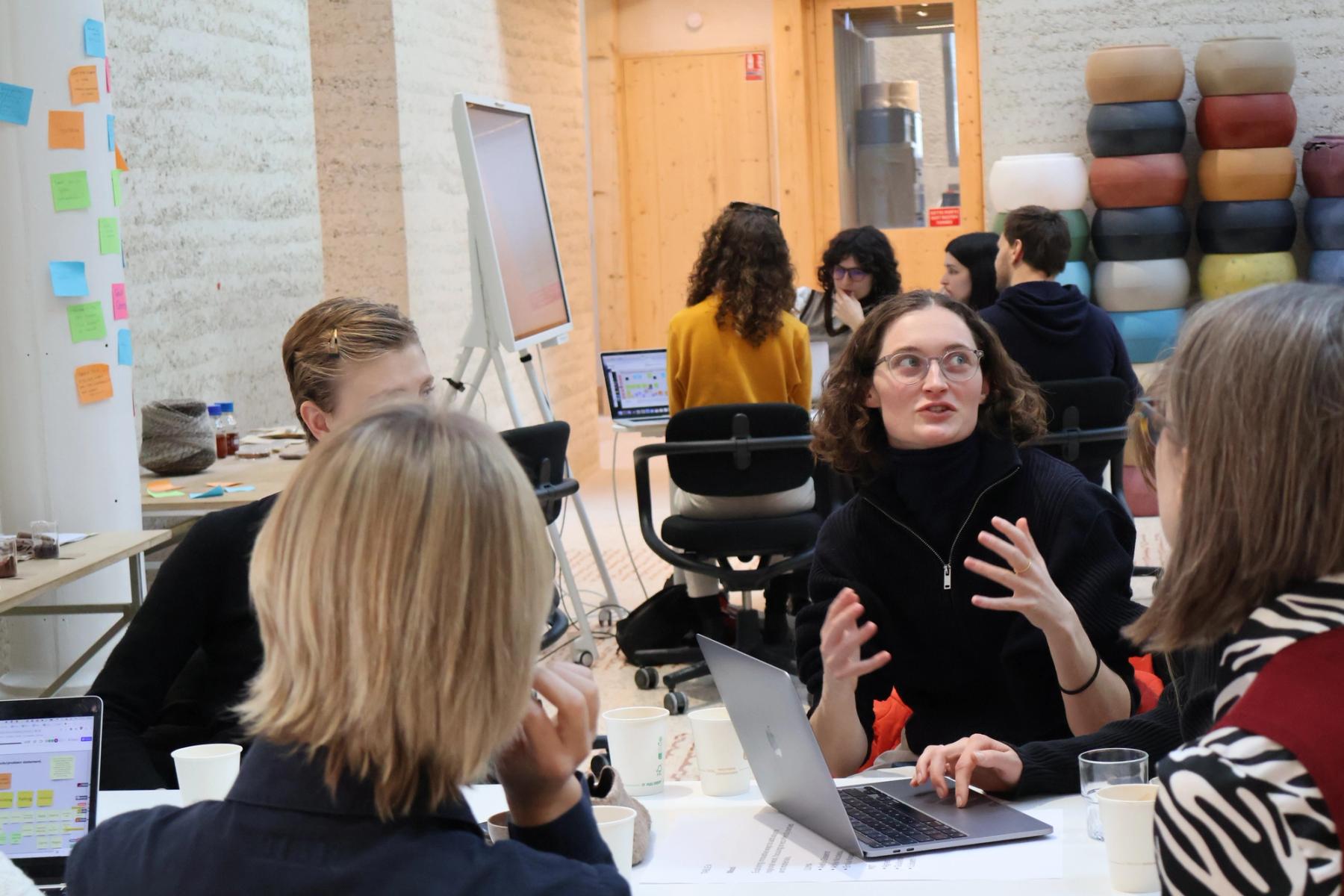
The Studio brings together people with different disciplinary perspectives and ways of thinking. Designers, scientists, researchers, technologists, entrepreneurs, and students work across traditional boundaries to develop new approaches to complex challenges.
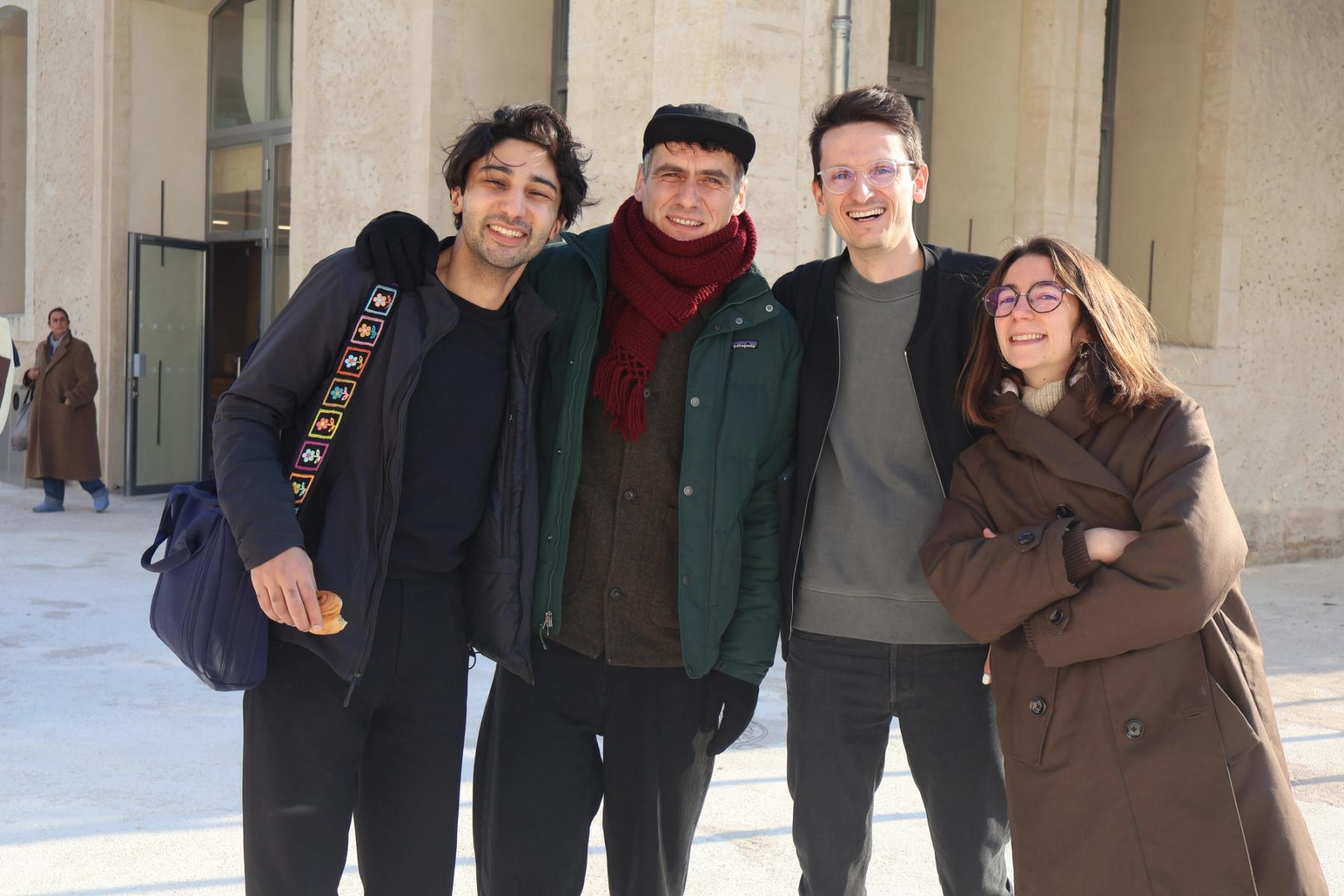
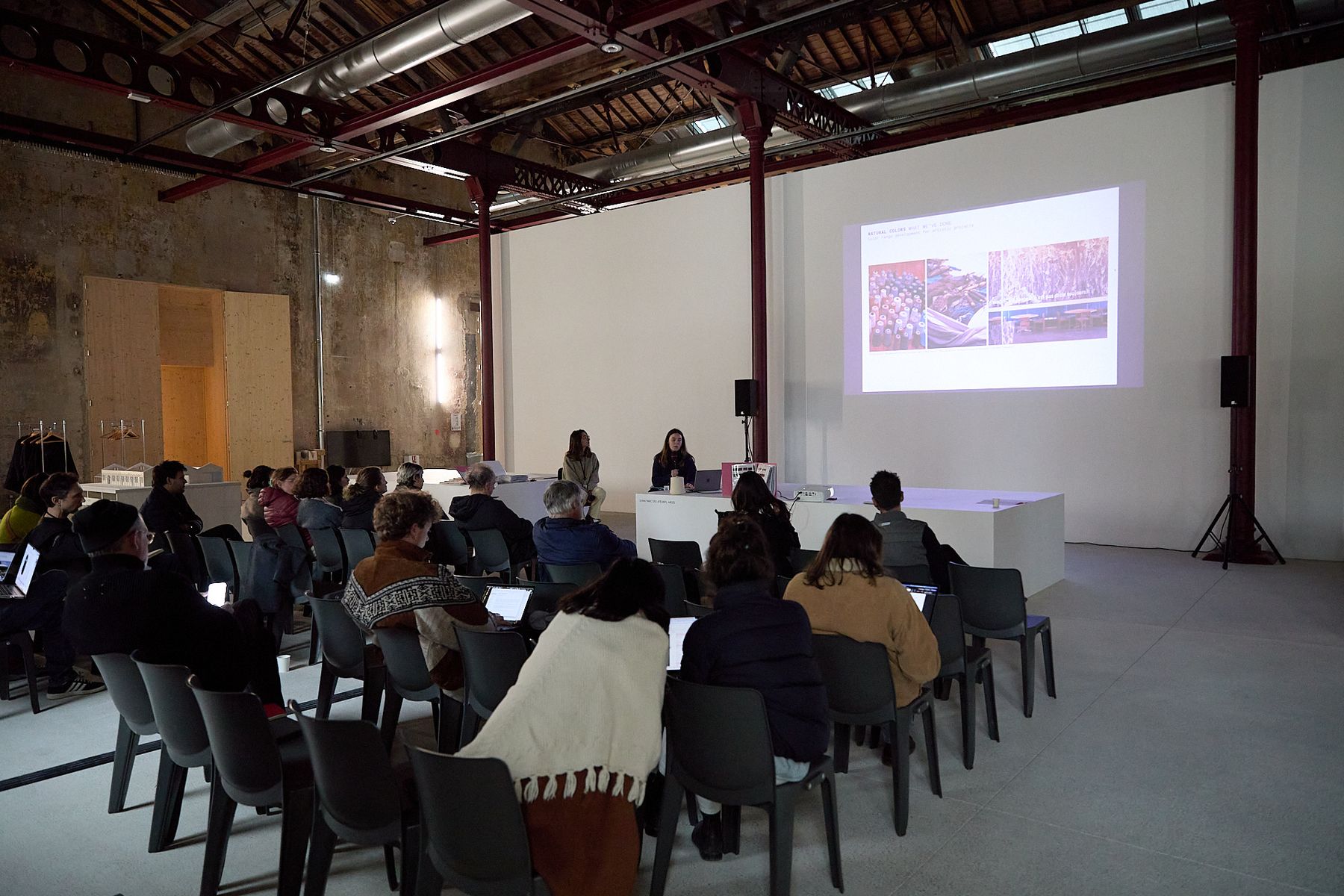
[Who] The Innovation workstream brings together MIT researchers and students, LUMA designers and researchers, innovators and entrepreneurs from the Mediterranean region, and partners from industry and academia.
MIT MISTI Collaboration. The Innovation Studio collaborates with MIT International Science and Technology Initiatives (MISTI) to enable MIT students to participate in the annual Innovation Studio in Arles, contributing their interdisciplinary perspectives while gaining hands-on international innovation experience.